Meter Security Seals: The Critical Guardian for Utility Integrity and Revenue Protection
In the infrastructure of modern utilities and industrial metering, ensuring the accuracy of consumption data and preventing unauthorized access is paramount. Meter security seals, specialized tamper-evident devices, serve as the first and most visible line of defense against tampering, theft of service, and revenue loss. For B2B buyers—including utility companies, municipal water authorities, gas distributors, and industrial facility managers—selecting the appropriate utility meter seal is a direct investment in operational integrity, regulatory compliance, and financial security. This professional guide explores the vital role, diverse types, technical specifications, and procurement strategies for effective meter protection.
The Imperative for Meter Security: Beyond a Simple Lock
The primary function of a meter security seal is to provide clear, irreversible evidence of any attempt to access the meter's internal components. Tampering can lead to inaccurate billing, significant revenue leakage, safety hazards (especially with gas and electricity), and non-compliance with regulatory standards. Unlike general-purpose locks, these seals are designed to be single-use, uniquely identifiable, and resistant to specific tampering methods like picking, shimming, or freezing. The global demand for sophisticated anti-tamper meter seals is driven by rising energy costs, the expansion of smart grid infrastructure, and increasingly stringent auditing requirements from regulators and insurers.
Primary Types of Meter Security Seals and Their Applications
Choosing the right seal depends on the meter type (electric, water, gas, heat), its location (indoor, outdoor, subterranean), and the perceived risk level.
1. Plastic Rotating Seals and Barrier Seals
These are among the most common meter seals for residential and light commercial applications.
Design: Typically consist of a plastic body and a rotating dial or a trapped pin mechanism. Once the flexible locking tip is inserted and the dial is turned or the pin snapped, it cannot be reopened without breaking the plastic.
Advantages: Cost-effective, easy to apply by hand, available in various colors for coding (e.g., by route, inspector, or date). They offer a clear visual indicator of tampering.
Common Use: Water meter security locks, basic electric meter covers, and gas meter index covers where the primary need is evidence of casual tampering.
2. Wire and Lead Seals
Offering a step up in security, wire seals have been a long-standing solution.
Design: Comprise a metal wire (often lead or aluminum) threaded through the meter's hasp and then compressed within a seal body using a dedicated sealing tool, creating a unique, irreversible impression.
Advantages: The custom impression from the tool (with a unique number or logo) provides a high level of individuality. The metal wire is difficult to cut discreetly.
Common Use: Traditional sealing for utility meter seals, transportation meters, and industrial gauges. However, environmental concerns over lead are pushing a shift to lead-free aluminum alternatives.
3. High-Security Bolt Seals and Cable Seals
For high-value or high-risk meters, such as those at industrial sites or in vulnerable locations, high security meter seals are essential.
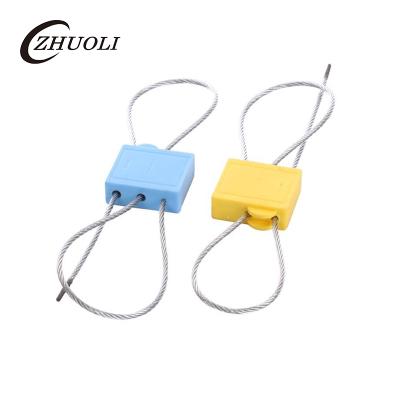
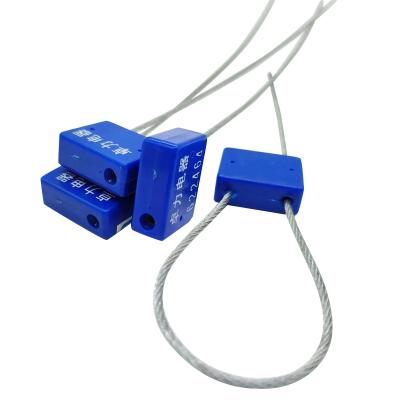
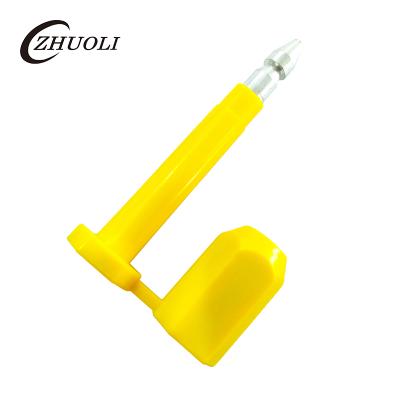
Design: These function similarly to cargo container seals. A hardened steel bolt or flexible steel cable is locked into a robust body, often requiring bolt cutters for removal. They may be compliant with standards like ISO 17712.
Advantages: Extreme tensile strength, clear evidence of forced removal, and often feature laser-etched sequential numbers for rigorous tracking.
Common Use: Large industrial electricity meters, transmission substation meters, high-capacity flow meters in oil/gas, and outdoor meters in high-theft areas.
4. Smart Seals and RFID Seals
Representing the future of meter security, these integrate digital technology with physical security.
Design: Incorporate an RFID (Radio-Frequency Identification) chip or other electronic identifier within a robust physical seal. Information is read wirelessly using a handheld reader.
Advantages: Enables automated inventory management, instant verification of seal ID against a database, and can log the exact time and location of a scan. Dramatically reduces human error in manual number recording.
Common Use: Progressive utilities deploying Advanced Metering Infrastructure (AMI), municipal water departments for efficient route management, and any operation where audit trail digitalization is a priority.
Key Technical Features and Manufacturing Standards
The effectiveness of a meter security seal is engineered into its materials and construction.
Tamper-Evident Design: A quality seal is designed to fail visibly. This could mean a brittle plastic housing that shatters, a controlled break point on a wire, or a locking mechanism that cannot be re-engaged once opened.
Material Durability: Seals must withstand environmental stress. UV-stabilized engineering plastics prevent brittleness from sun exposure. Marine-grade stainless steel or coated metals resist corrosion from rain and chemicals. For lead free meter seals, aluminum alloys provide a safe, durable alternative.
Unique Identification: Every seal must have a unique, non-repeating number, typically laser-etched, embossed, or embedded in an RFID chip. This is the cornerstone of accountability.
Tooling: Many high-integrity seals require proprietary application tools (pliers, presses, or electronic writers for RFID). This restricts application to authorized personnel only, adding a critical layer of internal control.
Industry Standards, Compliance, and Best Practices
While specific regulations vary by country and utility sector, several best practices are universal:
Color-Coding Systems: Using seals of different colors for quarterly inspection cycles, different service teams, or specific geographic zones simplifies visual management and rapid identification of irregularities.
Chain of Custody Documentation: The unique seal number must be meticulously recorded in work orders, installation reports, and audit logs. This creates an undeniable link between the meter and its inspection history.
Supplier Certification: B2B buyers should partner with manufacturers who adhere to quality management systems (e.g., ISO 9001) and can provide material certifications and sample testing reports. For utilities, seals that meet internal engineering specifications or industry guidelines (like those from AWWA for water) are crucial.
Market Trends and the Future of Meter Sealing
The meter seal market is evolving alongside utility technology:
Integration with Smart Grids: The growth of AMI is accelerating the adoption of RFID meter seals, as they seamlessly integrate with digital field force automation tools.
Focus on Sustainability: The shift away from lead-based materials continues, with a growing demand for environmentally friendly security seals.
Advanced Tamper Detection: Future seals may incorporate sensors that can detect magnetic tampering (a common method for manipulating electric meters) and transmit an alert as part of an IoT network.
Conclusion: A Foundational Element of Asset and Revenue Protection
Meter security seals are far more than simple plastic tags. They are a foundational, cost-effective component of a utility's or industrial operator's loss prevention and operational integrity strategy. The right seal acts as a physical auditor, silently safeguarding revenue and ensuring the safety and accuracy of critical metering infrastructure.
For B2B buyers and procurement officers, the decision should be strategic. It involves a thorough analysis of risk profiles, operational workflows, and total cost of ownership—which includes not just the seal's price, but the efficiency gains from features like RFID and the potential revenue saved from prevented tampering.
Professional Call to Action:
Conduct a comprehensive review of your current meter sealing protocol. Are you using a one-size-fits-all solution where a tiered approach (different seals for different risk levels) would be more secure and cost-effective? Are your seals providing the level of unique identification and durability required for your environment?
Engage with a specialized manufacturer of high-security meter seals. Request samples for field testing, ask for case studies from similar utility or industrial clients, and discuss custom solutions—such as proprietary colors, logos, or numbering schemes—that can enhance your brand control and security posture. Ensure your infrastructure is sealed with confidence.
Secure Your Measurement, Protect Your Revenue. Partner with a Professional Meter Security Seal Supplier Today.