Meter Seal Lock: The Engineered Core of Utility and Asset Protection
In the critical domain of utility metering and high-value asset management, the integrity of the sealing mechanism is paramount. The meter seal lock represents the sophisticated heart of any tamper-evident system, transforming a simple fastener into a formidable security device. For B2B buyers, procurement officers, and security managers across utilities, municipalities, and industrial sectors, a deep understanding of meter lock seal technology is essential for specifying products that offer genuine protection against revenue loss, unauthorized access, and fraudulent tampering. This article delves into the specialized world of high-security meter locks, analyzing their design principles, technical standards, and strategic role in modern infrastructure.
Defining the Meter Seal Lock: Beyond Basic Security
A meter seal lock is not merely a padlock or a plastic clip. It is a single-use, permanently engaging fastening mechanism specifically engineered to be part of a sealed assembly on a meter, valve, cabinet, or other regulated asset. Its core function is to provide a physical barrier that, once engaged, cannot be disengaged without leaving clear, irreversible evidece of manipulation. The global emphasis on tamper-proof meter seals is driven by escalating non-technical losses (NTL) in utilities, stringent regulatory audits, and the rising need to secure infrastructure within the Internet of Things (IoT).
The Critical Role and Core Functions
The primary objective of a meter security lock is to safeguard financial and operational integrity. It serves three interdependent functions:
Tamper-Evidence: It provides a visual and physical indicator of interference. Any attempt to pick, shim, freeze, or force the lock results in its destruction or in clear, irreparable damage to the seal body.
Unauthorized Access Prevention: It acts as a physical deterrent, complicating and slowing down access attempts to the metering compartment or protected asset.
Audit Trail Creation: Each lock or its housing is typically marked with a unique identifier (number, barcode, RFID). This creates a tangible link in the chain of custody, allowing auditors to verify which specific seal was installed and when it was breached.
Classification and Types of Meter Seal Locks
The market offers a tiered approach to security, with different locking mechanisms suited to various risk levels and applications.
1. Mechanical Disposable Locks (Plastic/Metal)
These are the most common meter lock seals, where the locking mechanism is integrated into a disposable seal body.
Rotating Collar Locks: Found in plastic seals, a barbed pin is inserted, and a rotating collar is turned, permanently trapping the pin. Attempts to reverse-rotate break internal tabs.
One-Way Clip Locks: A flexible prong clicks into place through a hole and cannot be retracted due to a designed obstruction.
2. Tool-Applied Security Locks
These require a dedicated, proprietary tool for application, significantly enhancing control and security.
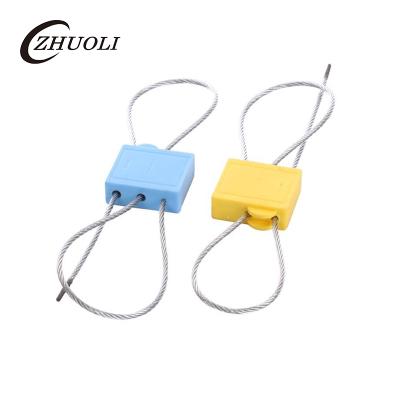
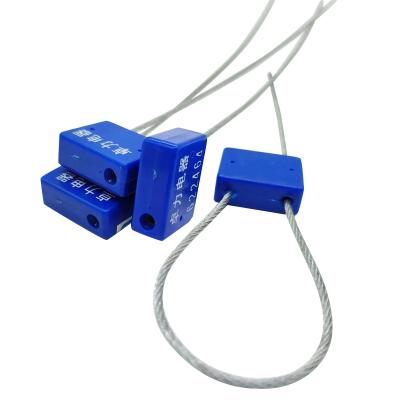
Lead & Wire Seal Locks: A classic utility meter seal lock. A soft metal wire is threaded through the hasp and inserted into a seal body (often lead or aluminum). A customized press tool crimps the body, impressing a unique code or logo. Removal requires cutting.
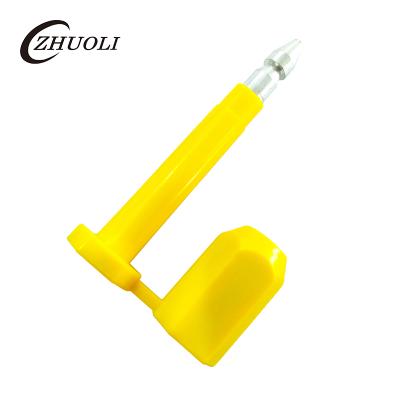
Bolt Seal Locks: Utilized on large industrial meters or outdoor cabinets. A hardened steel bolt is inserted and a press tool permanently swages a locking collar onto it. Achieving removal requires bolt cutters. Many are ISO 17712 compliant.
3. Intelligent & Electronic Locking Systems
This represents the cutting edge of meter seal technology, integrating digital security with physical barriers.
RFID-Embedded Locks: The lock body contains a passive RFID chip encoded with a unique ID. The locking mechanism (mechanical) secures the asset, while the RFID enables contactless, automated inventory and verification audits using a reader.
Sensor-Enabled Locks: Emerging technologies incorporate sensors that can detect specific tampering events—such as the application of strong magnetic fields near electricity meters—and log this event within the chip.
Technical Deep Dive: Anatomy of a High-Security Lock
The effectiveness of a tamper-proof meter seal lock is determined by precise engineering and material science.
Locking Mechanism Design:
Material: High-grade, hardened steel for internal jaws and springs; engineered, UV-stabilized polymers for housings.
Geometry: Complex internal channels and angled faces ensure that the locking element (ball, barb, bolt) moves freely in one direction but is mechanically trapped when force is applied in the reverse direction.
Anti-Tamper Features: Free-spinning outer sleeves prevent gripping attacks; frangible housings shatter upon impact; internal components are designed to jam if picked or probed.
Unique Identification and Traceability:
Sequential Numbering: Laser etching provides permanent, wear-resistant numbering.
Barcodes/QR Codes: Allow for rapid digital data entry during installation and inspection.
RFID/NFC Tags: Enable bulk reading and integration with Asset Management Systems (AMS) and field service software, a key trend in smart utility management.
Material Durability and Environmental Resistance:
Seals for outdoor meters require materials resistant to corrosion (e.g., stainless steel, marine-grade aluminum), UV degradation, and extreme temperatures (-40°C to +85°C).
Industry Standards, Compliance, and Sourcing Considerations
For B2B procurement, adherence to standards is non-negotiable.
International Standards: While specific to freight containers, the principles of ISO 17712 are often referenced for high-security applications. It defines testing for tensile strength, shear strength, and impact resistance.
Utility Industry Standards: Many national and regional utility bodies have their own specifications (e.g., for electric meter lock seals or gas meter security). These may dictate materials, colors for zone coding, and required breaking strengths.
Procurement Strategy: Buyers must:
Perform a Risk Assessment: Match the lock's security level to the asset's value and location risk.
Demand Certification and Testing Data: Request proof of compliance with relevant standards and in-house destructive test reports from the manufacturer.
Evaluate Total Cost of Ownership: Consider not just unit price, but the efficiency gains from features like RFID scanning, which reduces labor time for audits.
Verify Manufacturer Capability: Choose suppliers with vertical integration—control over mold design, metal stamping, and assembly—to ensure quality consistency and capacity for customization (custom logos, numbering schemes).
Market Evolution and Future Outlook
The meter seal lock market is evolving in tandem with smart infrastructure:
Convergence with IoT: Smart meter seals with integrated locks are becoming data points on utility networks, reporting their status (locked/tampered) remotely.
Advanced Materials: Development of composite materials and special alloys offers higher strength-to-weight ratios and better environmental resistance.
Blockchain for Provenance: The immutable logging of unique seal IDs onto blockchain platforms is being explored for enhanced transparency in the supply chain of the seals themselves and for the assets they secure.
Conclusion: Specifying the Core of Security
The meter seal lock is the defining component that separates a true security seal from a mere identifier. Its design sophistication directly correlates to the level of protection afforded to revenue-critical and safety-critical assets. For utilities and industrial operators, compromising on this core technology can have direct financial and operational consequences.
Specifying the appropriate meter lock seal requires a technical dialogue between the buyer and a knowledgeable manufacturer. It is an investment in a system designed to protect a far greater investment in infrastructure and revenue streams.
Professional Call to Action:
Audit your current meter sealing program. Are the locks on your seals providing mechanical security commensurate with the risk? Is your identification system manual and error-prone, or digital and efficient?
Initiate a review with a specialized manufacturer of high-security meter seal locks. Request detailed technical dossiers on their locking mechanisms. Ask for sample seals for in-field evaluation of application and removal. Discuss how RFID or barcode integration can streamline your operations. Do not just buy a seal—invest in the engineered lock at its heart.
Secure Your Critical Assets at the Core. Partner with a Specialist in High-Security Meter Seal Lock Technology Today.