Container Bolt Seals price
For global importers, exporters, and logistics managers, procuring Container Bolt Seals is a routine yet critical operational expense. A common starting point for any sourcing inquiry is the simple question: "What is the container bolt seals price?" However, framing the procurement decision solely around unit cost can be a significant strategic oversight. In the high-stakes environment of international shipping, where the value of a single container can far exceed six figures, the bolt seal is the primary physical safeguard. Its price reflects a complex interplay of material quality, security certification, manufacturing precision, and supply chain reliability. This article moves beyond a basic price list to provide B2B buyers with a comprehensive framework for evaluating cost-effective container bolt seals, ensuring that price considerations are balanced against the imperative of uncompromising security and compliance.
Deconstructing the Cost: Key Factors Influencing Container Bolt Seals Price
The market for Container Bolt Seals is segmented, with prices varying widely. Understanding what drives these differences is essential for making an informed purchase that protects your cargo without overspending.
1. Security Level and International Certification (The Primary Cost Driver)
The most significant factor affecting container bolt seals price is its security rating and certification status. The global benchmark is the ISO 17712 standard, which classifies seals into:
'I' - Indicative Seals: Low-cost, providing only basic visual tamper indication. Unsuitable for international container shipping.
'S' - Security Seals: Mid-range, offering greater tamper resistance. Prices are moderate.
'H' - High-Security Seals: The industry requirement for cross-border container transport. These undergo rigorous independent testing for tensile/shear strength and tamper resistance. The price for ISO 17712 certified high security bolt seals is higher due to the cost of premium materials, precise manufacturing, and the certification process itself. This is not an area for compromise, as using non-compliant seals can void insurance and lead to customs delays.
2. Material Specifications and Build Quality
The adage "you get what you pay for" holds true. The composition of the seal directly impacts both its performance and its competitive container seal pricing.
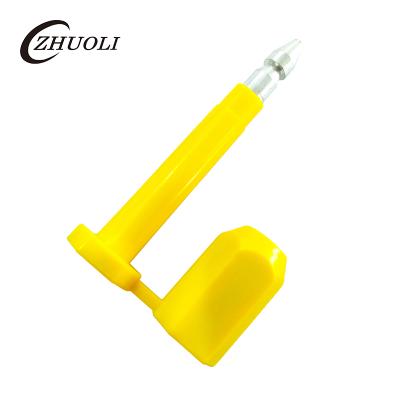
Bolt Material: High-carbon or alloy steel, hardened and tempered, provides superior cut resistance. Cheaper alternatives use softer metals.
Body Housing: Robust, hardened steel or zinc alloy bodies with anti-drill features cost more to produce than simpler, weaker designs.
Corrosion Protection: High-quality electroplating (e.g., hot-dip galvanizing) or advanced coatings to withstand harsh marine environments add to the cost of durable bolt seals for shipping but prevent rust-induced failure.
Marking Technology: Laser-etched unique serial numbers are permanent and fraud-resistant, whereas stamped or painted numbers can wear off and are less costly.
3. Order Volume, Customization, and Supply Chain Factors
Economies of Scale: Purchasing container bolt seals in bulk quantities typically results in a significantly lower per-unit price. Manufacturers like Shandong Zhuoli Electric Appliance Co., Ltd. can offer more competitive pricing for bulk container seals due to optimized production runs.
Customization Requirements: Standard, off-the-shelf seals are the most economical. Requests for custom printed container bolt seals with company logos, specific color coding, or unique numbering sequences will incur additional setup and production costs.
Logistics and Geopolitics: Raw material costs (steel, zinc), regional labor rates, and international freight expenses from the manufacturing base to your hub all subtly influence the final landed cost.
Market Trends: The Value Shift from Commodity to Strategic Asset
The global market for container security seals is evolving, driven by trends that are redefining how buyers assess value versus mere price.
Integration with Digital Supply Chains: There is growing demand for "smart" seals that integrate with IoT platforms. While basic bolt seals price remains foundational, the market for seals with embedded RFID or QR codes for real-time tracking is growing, representing a higher-value segment focused on total visibility.
Increased Regulatory Scrutiny: Global customs agencies and insurance providers are increasingly meticulous in verifying seal compliance. Investing in verifiably certified seals from reputable sources mitigates the far greater financial risk of shipment detention or claim denial.
Focus on Total Cost of Ownership (TCO): Progressive procurement teams now evaluate affordable high security container seals based on TCO. A slightly higher upfront price for a more durable, reliable seal that eliminates the risks of in-transit failure, theft, or compliance issues offers a vastly superior return on investment compared to the recurring cost and hidden risk of cheap, substandard seals.
Inside the Manufacturing Process: Understanding the Basis of Cost
A brief look at the manufacturing process of a quality bolt seal at a facility like Shandong Zhuoli Electric Appliance Co., Ltd. clarifies why price varies.
Material Sourcing & Preparation: High-grade steel wire rod is drawn and cut. Hardened steel for the lock body is sourced and precision-machined using CNC equipment—a cost reflected in the container bolt seals price.
Heat Treatment & Plating: Components undergo hardening and tempering for strength, followed by electroplating for corrosion resistance. These energy and chemical-intensive processes are a major cost component.
Assembly & Marking: Automated or semi-automated assembly ensures consistency. Permanent laser marking of unique IDs adds a layer of cost but is essential for security.
Quality Assurance & Certification: This is critical. Reputable manufacturers perform batch-wise destructive testing (pull tests, shear tests) and maintain ISO 17712 certification. The overhead for this quality infrastructure ensures reliability but is factored into the final price of ISO 17712 certified seals.
Strategic Procurement: How to Buy Smart
For B2B buyers, navigating container bolt seals price requires a strategic approach:
Define Specifications First: Determine the mandatory requirements: ISO 17712 'H' certification, minimum tensile strength, and necessary customization.
Source from Certified Manufacturers: Engage directly with manufacturers like Shandong Zhuoli Electric Appliance Co., Ltd. who can provide audit trails, certification documents, and material test reports. This cuts out middleman markups and ensures authenticity.
Request and Test Samples: Before placing a bulk order, obtain samples. Conduct or commission simple tests—attempt to cut the bolt, check the plating adhesion, verify laser marking clarity. This due diligence protects against low-quality offers with a deceptively low container bolt seals price.
Analyze Total Landed Cost: Factor in all costs: unit price, shipping, import duties, and the internal cost of seal failure. Negotiate based on annual volume commitments for better bulk order pricing for container security seals.
Conclusion: Price as a Reflection of Assured Security
Ultimately, the container bolt seals price is a direct reflection of the level of risk mitigation and compliance assurance it provides. In logistics security, false economies are perilous. The goal for the professional B2B buyer is not to find the cheapest seal, but to secure the most reliable and compliant seal at a fair and transparent market price—one that safeguards assets worth thousands of times its own cost.
Call to Action for Value-Driven Buyers:
Shift your procurement dialogue from a narrow focus on unit price to a comprehensive discussion on value, certification, and total cost of ownership.
We recommend initiating a technical consultation with a certified manufacturer. Contact Shandong Zhuoli Electric Appliance Co., Ltd. to request a detailed quotation based on your specific annual volume and technical requirements. Ask for their ISO 17712 certification documentation and sample seals to validate quality against your operational benchmarks. By partnering with a professional manufacturer, you secure not just a product at a competitive container bolt seals price, but also the peace of mind that comes with proven, compliant supply chain security.