Where is Tamper-Resistant Technology Required?
In today's interconnected global supply chain, the integrity of products and assets is paramount. Tamper-resistant and tamper-evident solutions are no longer optional luxuries but fundamental requirements across a vast spectrum of industries. For B2B buyers, manufacturers, and security professionals, understanding where tamper resistant technology is required is critical for ensuring product safety, regulatory compliance, brand protection, and consumer trust. This article delineates the key industries and scenarios mandating robust anti-tampering measures, providing a comprehensive overview for strategic procurement and risk management.
Understanding Tamper Resistance: Definitions and Imperatives
Tamper resistance refers to design features that make unauthorized access to a product or its contents difficult, typically requiring special tools or knowledge. Tamper evidence goes a step further by providing clear, irreversible visual signs that access has been attempted or achieved. The drivers for their adoption are multifaceted:
Regulatory Compliance: Many sectors are governed by strict laws (e.g., FDA, EU Falsified Medicines Directive, TSA) that mandate specific security measures.
Supply Chain Security: Mitigating theft, diversion, counterfeiting, and malicious contamination during logistics and storage.
Product Liability & Safety: Ensuring end-users receive a product that has not been altered, substituted, or contaminated.
Brand Integrity: Protecting brand reputation from the damage caused by counterfeit or tampered goods in the market.
Critical Industries and Applications Requiring Tamper-Resistant Solutions
Logistics, Transportation, and Cargo Security
Securing goods in transit is a cornerstone of global trade.
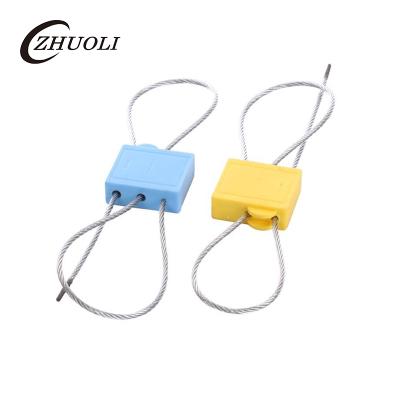
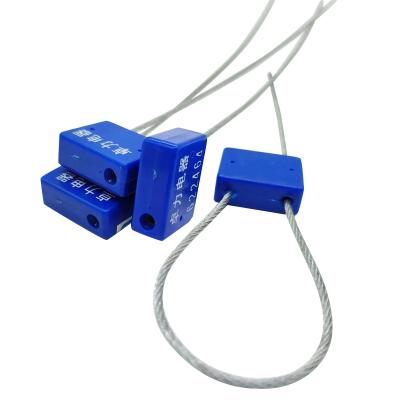
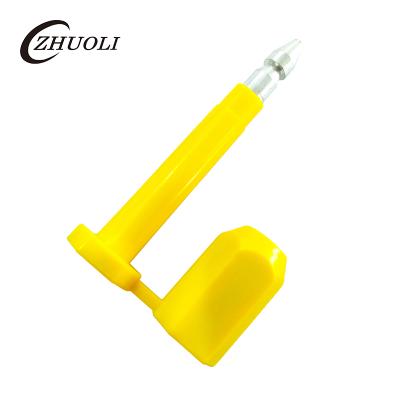
Shipping Containers & Trailers: High-security tamper-resistant seals (bolt seals, cable seals) compliant with ISO 17712 standards are essential for verifying that cargo has not been accessed en route.
Air Cargo: Regulated under TSA and ICAO guidelines, requiring seals for unit load devices (ULDs) and pallets.
Warehousing: Seals on bay doors, storage cages, and high-value inventory areas prevent internal and external pilferage.
Electronics, Computing, and Payment Systems
Protecting both hardware and sensitive data is crucial.
Smart Meters (Utility): Seals and tamper-evident locks prevent unauthorized access to manipulate readings.
Chemicals, Hazardous Materials, and Aerospace
Chemical Containers: Drums and intermediate bulk containers (IBCs) require seals to prevent diversion, substitution, or contamination of hazardous materials.
Aerospace & Defense: Components and sensitive equipment are sealed to ensure no unauthorized maintenance or espionage occurs during shipping and storage.
Government, Legal, and High-Value Assets
Evidence Bags: Law enforcement uses tamper-evident evidence bags with serialized, self-voiding labels to maintain chain of custody.
Voting Machines & Ballot Boxes: Require seals to guarantee integrity.
Luxury Goods: High-end apparel, electronics, and spirits use sophisticated seals and tags to combat counterfeiting and demonstrate authenticity to the buyer.
Technical Implementation: How Tamper-Resistant Solutions Work
The effectiveness of these solutions lies in their design and manufacturing.
Mechanical Seals (Bolt/Cable Seals): Manufactured from high-tensile steel. The locking mechanism is designed to be irreversible without leaving obvious signs of destruction, such as sheared bolts or mangled cables. ISO 17712 certification involves rigorous testing for tensile and shear strength.
Tamper-Evident Labels & Seals: These consist of a fragile face stock (paper or film) adhered with a high-strength, permanent adhesive. Attempts to remove them cause them to delaminate, tear, or reveal a hidden pattern (like "VOID" or "OPENED"). Production involves precision coating, printing, and die-cutting.
Induction Seals (for Bottles): A foil layer laminated to pulpboard is applied under a plastic cap. An induction cap sealer generates a magnetic field that heats the foil, bonding it to the container lip. Opening breaks this bond, providing clear evidence.
Electronic Tamper Detection: Used in high-security electronics. This involves epoxy potting, micro-switches, light sensors, or fine conductive meshes printed on inner layers of circuit boards. Breaching the enclosure breaks the circuit, triggering an immediate response (e.g., memory wipe).
Compliance, Standards, and Strategic Sourcing for B2B Buyers
For B2B buyers, specifying the correct solution is a risk-based decision tied to compliance.
Key Standards: ISO 17712 (for freight container seals), FDA 21 CFR 211.132 (pharmaceutical TEP), PCI PTS (payment devices), CEIV Pharma (air cargo for pharmaceuticals).
Strategic Sourcing Considerations:
Risk Assessment: Evaluate the value, sensitivity, and regulatory class of the asset.
Certification Mandate: Always source tamper-resistant seals and labels from suppliers who provide valid test certificates for the relevant standards.
Customization & Serialization: For traceability, opt for sequentially numbered seals or labels compatible with your track-and-trace system.
Supplier Audit: Choose manufacturers with proven quality control, material traceability, and expertise in your specific industry vertical.
Conclusion: An Integral Component of Modern Business Integrity
The question is not merely "where is tamper resistant required?" but rather, "where can we afford not to have it?" From ensuring the life-saving integrity of a vaccine vial to protecting billions in transit cargo and securing digital financial transactions, tamper-resistant technology is an indispensable layer of defense in a complex world.
For businesses, implementing the appropriate anti-tampering measures is a direct investment in operational resilience, compliance, and brand equity. It transforms security from a passive hope into an active, verifiable component of the product and logistics journey.
Actionable Call for B2B Buyers:
Conduct a thorough audit of your supply chain, product lines, and compliance obligations. Identify every node where tampering could occur—from manufacturing and warehousing to shipping and point-of-sale. Then, partner with a specialized security solutions provider who can deliver certified, fit-for-purpose tamper-evident and tamper-resistant products. Request samples, review certifications, and design a holistic security strategy that protects your assets and your reputation.