Why Do We Have Tamper Seals? The Multilayered Imperative in Global Trade
In the intricate web of modern global supply chains, a simple yet profound device plays a critical role: the tamper seal. For B2B buyers, logistics managers, and security professionals, the question "why do we have tamper seals?" extends far beyond basic security. These seals represent a fundamental component of risk management, regulatory adherence, brand integrity, and trust-based commerce. This article delves into the multifaceted reasons behind the ubiquitous use of tamper-evident seals, exploring their indispensable role in safeguarding assets, ensuring compliance, and fortifying business relationships.
Beyond a Simple Lock: Defining Tamper Seals and Their Core Purpose
Tamper seals, often interchangeably called security seals or tamper-evident seals, are single-use devices designed to provide visible, irreversible evidence of unauthorized access or interference. Unlike a lock, their primary function is not solely to prevent entry but to detect and document that an entry has occurred. This distinction is crucial. In B2B and logistics contexts, the presence of an intact tamper-proof seal upon delivery signifies that the goods have remained under controlled custody since the point of sealing. Conversely, a broken or missing seal triggers an immediate investigation. This simple mechanism addresses several critical business imperatives simultaneously.
The Primary Drivers: Why Tamper Seals are Non-Negotiable
1. Ensuring Supply Chain Integrity and Cargo Security
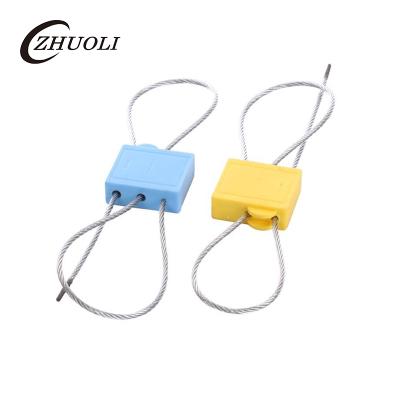
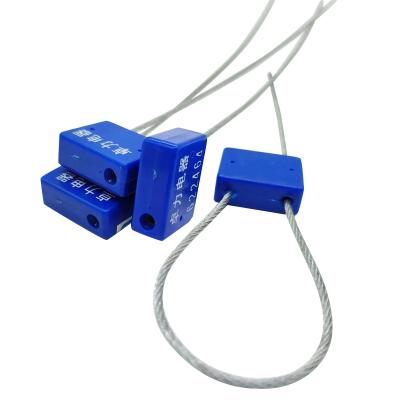
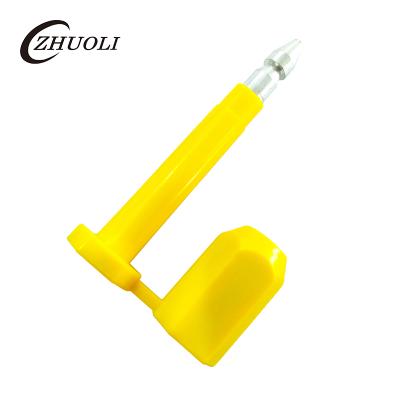
Physical Deterrent and Detection: A high-strength bolt seal or cable seal serves as a physical deterrent. More importantly, it acts as a forensic checkpoint. It answers the vital question: "Was this container, trailer, or package opened between point A and point B?" This is the first line of defense in securing in-transit cargo.
Liability and Dispute Resolution: In cases of loss or damage, the condition of the tamper seal provides critical evidence. An intact seal can absolve the shipper or carrier of responsibility for missing items, shifting the focus to the consignee or a later stage in the chain. It creates a clear, tamper-evident record that simplifies claims and dispute resolution.
2. Meeting Stringent Regulatory and Industry Compliance
In many sectors, using tamper-evident seals is not optional—it is legally mandated.
International Standards: The ISO 17712 standard specifically governs high-security seals for freight containers. Many shipping lines, ports, and insurers require ISO 17712 certified seals as a condition of carriage or coverage. This standard ensures the seal has been tested for tensile strength, shear strength, and impact resistance.
Custms and Border Protection: Intact seals facilitate smoother customs clearance by verifying that the cargo manifest matches the physical contents, reducing the likelihood of inspections and delays.
3. Protecting Brand Reputation and Product Authenticity
For manufacturers and brand owners, the tamper seal is a direct guardian of brand equity.
Combating Counterfeiting: Sophisticated, serialized tamper-evident labels or seals make it exponentially harder for counterfeiters to replicate genuine packaging or reintroduce tampered goods into the market.
Guaranteeing Product Purity: In industries from electronics to specialty chemicals, a seal assures the end-buyer that the product is exactly as manufactured—unopened, unmodified, and uncontaminated. This is paramount for maintaining quality control and customer trust.
4. Building Trust and Transparency in B2B Relationships
Trust is the currency of B2B transactions. Tamper seals materially contribute to building this trust.
Chain of Custody Verification: They provide a transparent, physical audit trail. Every party handling the shipment can verify the seal's integrity upon receipt and apply a new one upon dispatch, creating a documented chain of custody.
Enabling Accountability: By pinpointing where in the supply chain a breach occurred, seals promote accountability among logistics partners, warehouses, and distributors.
Enhancing Customer Confidence: For the final B2B customer, receiving goods secured with a professional security seal signals that the supplier is serious about security, quality, and procedural rigor, strengthening the business relationship.
The Technical Evolution: From Simple Seals to Smart Security
The core reasons for using seals have driven their technological advancement.
Material and Design Innovation: Modern tamper-resistant seals are engineered from high-grade steel, with locking mechanisms designed to fail visibly under attack. Manufacturing involves precision stamping, heat treatment for hardness, and anti-corrosion coatings.
The Rise of Electronic Seals (E-Seals): To address the need for real-time data, electronic container seals integrate RFID or GPS technology. They don't just show if a tamper event occurred, but when and where, providing unparalleled supply chain visibility and instant alerts, which is a powerful answer to "why" in high-value logistics.
Integration with Track-and-Trace: Unique, serialized numbers on seals are integrated into digital logistics platforms, marrying physical security with digital data for end-to-end transparency.
Strategic Implementation for B2B Buyers
Understanding why leads to informed how. When procuring tamper seals, B2B buyers must:
Conduct a Risk Assessment: Match the seal type (plastic indicative, metal barrier, cable, electronic) to the value and risk profile of the cargo.
Prioritize Certification: For high-risk routes, insist on ISO 17712 certified seals and demand proof from the supplier.
Consider the Entire System: View seals not as a standalone product but as a component of a broader security protocol involving documented procedures, training, and integration with logistics software.
Conclusion: The Seal of Assurance in Global Commerce
So, why do we have tamper seals? They exist because they solve multiple critical challenges with elegant efficiency. They are a low-cost, high-impact tool that provides security, ensures compliance, protects brands, and builds the trust that enables global trade to function smoothly. In a world where supply chains are vulnerable and accountability is demanded, the tamper-evident seal is a non-negotiable seal of assurance—a small device that carries the immense responsibility of proving integrity from origin to destination.
Actionable Insight for Businesses:
Do not underestimate the strategic value of your seal program. Auditing your current seal usage against the risks outlined here is the first step. Partner with a reputable security seal manufacturer who can provide not just products, but expertise—helping you select the right tamper-proof solutions that align with your specific compliance needs, risk exposure, and operational workflow. Invest in the seals that protect everything else you've invested in.