What is a padlock seal?
What is a Padlock Seal? The Definitive B2B Guide to Tamper-Evident Security Solutions
In the intricate landscape of asset protection and supply chain security, a specialized device stands out for its unique blend of familiar form and critical function: the padlock seal. For B2B buyers, logistics managers, and procurement specialists across industries, a precise understanding of what a padlock seal is, and how it differs from a standard padlock, is fundamental to implementing effective anti-tampering measures. This article provides a comprehensive analysis of padlock seals, detailing their design principles, diverse applications, compliance standards, and their indispensable role in modern security protocols.
Defining the Padlock Seal: A Fusion of Form and Forensic Function
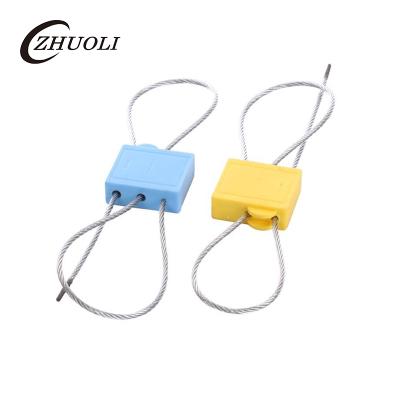
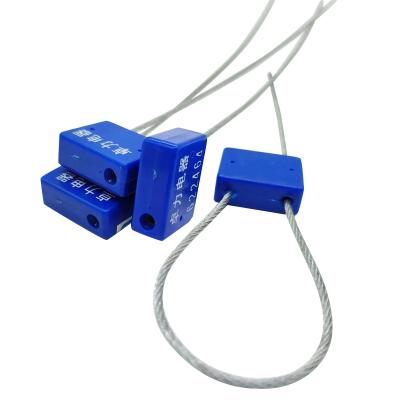
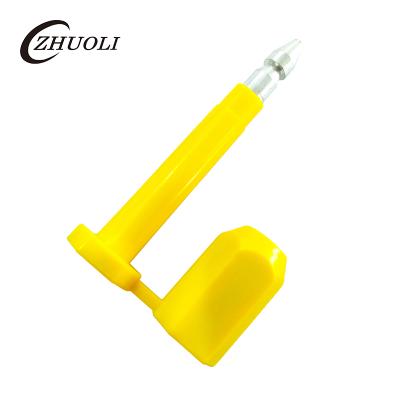
A padlock seal is a single-use, tamper-evident security device designed in the recognizable shape of a padlock. However, this is where the similarity to a reusable padlock ends. Its core purpose is not to be unlocked with a key or combination, but to be permanently locked and provide clear, irreversible evidence of any attempt at opening or removal. Once the shackle is engaged, the device cannot be non-destructively disengaged. The only way to remove a padlock seal is to cut its shackle or break its body, leaving definitive proof of interference. This makes it an essential tool for verifying the integrity of cargo, containers, utility meters, and other valuable assets throughout the logistics chain.
Core Characteristics and Key Advantages
The design of a high security padlock seal incorporates several critical features that distinguish it and offer distinct advantages for B2B applications:
Tamper-Evidence as Primary Function: Unlike a lock, which aims to prevent access, a seal’s primary role is to detect and record access. Any attempt to pick, shim, or force the seal results in its destruction.
Single-Use Design: Constructed from materials that are not meant to withstand reopening. The locking mechanism is engineered to be irreversible after the initial engagement.
Unique Identification: Each seal is typically marked with a unique, sequential number—laser-etched, embossed, or embedded via RFID. This enables precise tracking and creates an audit trail for the chain of custody.
Visual Deterrent and Verification: The familiar, robust shape of a padlock-style security seal acts as a psychological and physical deterrent, while its condition (intact or broken) allows for instant visual verification by anyone in the supply chain.
Durability for Transit: Made from materials like engineered plastics, aluminum, or hardened steel, they are built to withstand environmental stresses during transport while maintaining their integrity.
Primary Types and Classifications of Padlock Seals
Padlock seals are categorized based on their construction material and security level, catering to different risk profiles and budgets.
1. Plastic Padlock Seals
These are cost-effective, lightweight solutions ideal for internal security or lower-risk applications.
Design: Typically made from high-strength, impact-resistant polymers like nylon or polycarbonate. They feature a one-way ratcheting or snap-lock mechanism for the shackle.
Advantages: Low cost, corrosion-resistant, available in multiple colors for visual management and coding. Easy to apply by hand without tools.
Common Applications: Sealing internal warehouse cages, trolleys, garment containers, baggage, and as tamper-evident bag seals. They provide clear evidence of casual tampering.
2. Metal Padlock Seals
Constructed for higher security demands, these are used in external, high-risk environments.
Design: Bodies are made from die-cast zinc alloy, aluminum, or steel. The shackle is usually a hardened steel pin or cable. Locking is achieved via a ball-lock mechanism or a pressed collar.
Advantages: Superior tensile and shear strength. Much more resistant to cutting, prying, and environmental damage. Many models are designed to meet or exceed ISO 17712 standards for high-security seals.
Common Applications: Securing shipping container doors (as an alternative to bolt seals), truck bay doors, railcar hatches, utility meters, and industrial equipment. They are a core component of cargo security seals.
3. Bar-Code and RFID Padlock Seals
This category integrates identification technology for automated tracking and enhanced security.
Design: Incorporates a barcode label or an RFID (Radio-Frequency Identification) chip within the body of a plastic or metal padlock seal.
Advantages: Enables rapid, error-free electronic scanning. Facilitates automated inventory management, instant verification against databases, and seamless integration with supply chain visibility platforms. RFID models can be read without line-of-sight.
Common Applications: High-volume logistics operations, pharmaceutical distribution, airline catering carts, and any process where audit trail efficiency and digitization are priorities.
Technical Standards and Compliance: The ISO 17712 Benchmark
For international shipping and high-value cargo, compliance with recognized standards is crucial. The ISO 17712 standard specifies the requirements for mechanical tamper-evident seals used on freight containers.
High-Security ("H") Grade: To be certified, a padlock seal must undergo and pass rigorous independent testing for:
Tensile Strength: Resistance to being pulled apart (minimum force requirements apply).
Shear Strength: Resistance to cutting of the shackle.
Impact Resistance: Ability to withstand shock loads.
Certification Importance: Using ISO 17712 certified padlock seals is often a contractual requirement for shipping lines, insurers, and customs authorities. It provides B2B buyers with assurance of the seal’s tested performance and reliability.
Manufacturing Process and Material Integrity
The production of reliable padlock seals involves precision engineering:
Material Selection: Based on the security tier—engineering plastics for standard duty, metals for high security.
Injection Molding / Die Casting: The seal body is formed in molds under high pressure to ensure consistency and strength.
Shackle and Mechanism Production: Shackles are cut from hardened steel rod or cable. Internal locking components (springs, balls, jaws) are precision-made.
Assembly and Locking: Components are assembled, and the locking mechanism is tested for positive engagement.
Marking and Finishing: Each seal is marked with its unique ID. Metal seals may be coated for corrosion resistance.
Strategic Applications Across Industries
The versatility of the padlock seal design makes it applicable in numerous sectors:
Logistics & Transportation: As container padlock seals for doors, and for securing air cargo ULDs, truck trailers, and railcars.
Energy & Utilities: For sealing electric meter boxes, gas meter housings, and valve panels to prevent unauthorized access and theft of service.
Retail & Distribution: Securing high-value roll cages, cash-in-transit bags, and warehouse fire exits.
Manufacturing: Sealing calibration equipment, quality control samples, and finished goods awaiting shipment.
Aviation: Locking flight catering carts and emergency equipment panels.
Market Trends and Future Outlook
The market for padlock seals is evolving with technology and regulatory demands:
Smart Security Integration: Growth in RFID and sensor-enabled electronic padlock seals that can provide real-time tamper alerts.
Sustainability Focus: Increased use of recyclable materials in plastic seals and more durable designs to reduce waste.
Customization Demand: B2B buyers increasingly seek seals with custom logos, color schemes, and numbering to enhance brand control and internal security protocols.
Conclusion and Actionable Guidance for B2B Buyers
Understanding what a padlock seal is clarifies its role as a forensic security tool rather than just a lock. Its value lies in its ability to provide undeniable proof of integrity, which is vital for liability determination, regulatory compliance, and building trust in the supply chain.
For procurement decisions, B2B buyers are advised to:
Assess the Risk: Match the seal type (plastic vs. metal, standard vs. ISO-certified) to the value and vulnerability of the asset.
Verify Certification: For international cargo, insist on ISO 17712 certified seals and request documentation.
Plan for Integration: Consider operational workflow—will barcode or RFID scanning improve efficiency and accuracy?
Partner with Experts: Source from reputable manufacturers who offer technical data, quality guarantees, and support for custom requirements.
Secure with Certainty. Explore our range of ISO-certified high-security padlock seals designed for the demands of global logistics and asset protection. Contact our technical sales team today for a consultation and product samples tailored to your specific application.