Wire Seals for Container: The Flexible and Critical Component of Modern Cargo Security
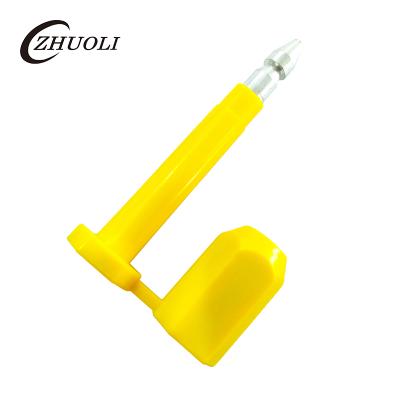
Rigid bolt seals are the standard for standard container doors, a significant portion of securing challenges demands versatility. Wire seals for container applications provide this essential flexibility, serving as a critical security solution for non-standard hatches, valves, and irregular locking points. For B2B buyers, logistics managers, and security professionals, understanding the specific role, standards, and applications of container security wire seals is vital for implementing a comprehensive and compliant cargo protection strategy. This article explores why these flexible cargo seals are indispensable, detailing their technical specifications, ideal use cases, and procurement best practices.
The Essential Role of Wire Seals in Containerized Logistics
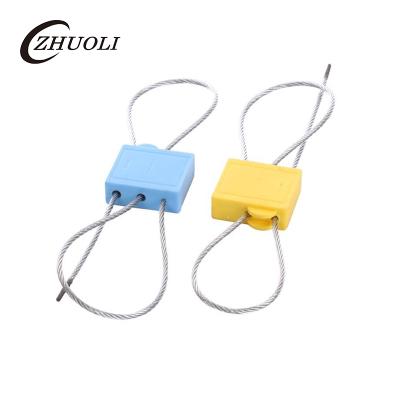
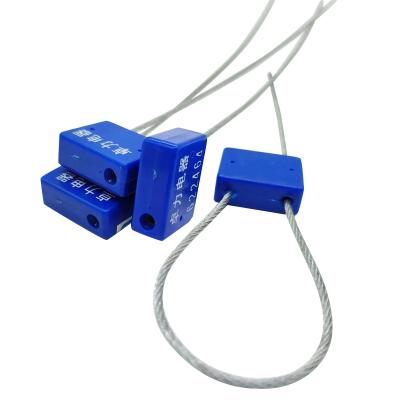
The primary function of any container seal is to provide tamper-evidence. Wire seals for container security fulfill this by offering a unique combination of high tensile strength and adaptability. The global supply chain is not comprised solely of uniform dry van containers; it includes tank containers, bulk carriers, specialized equipment, and intermodal assets with diverse securing mechanisms. A standard bolt seal cannot be applied to a tanker hatch or a set of internal compartment doors. This is where the flexible steel cable seal becomes the optimal choice, designed to thread through multiple or irregularly placed hasps, providing a secure loop that is visibly intact or clearly breached upon arrival.
Key Advantages and Technical Specifications
The design of high-security wire seals for logistics is engineered to meet rigorous demands. Their advantages are clear for B2B buyers evaluating security solutions:
1. Unmatched Flexibility and Versatility
The core benefit is the seal's ability to conform to various shapes.
Application Range: They can secure tank container manholes, ventilator flaps, internal bulkhead doors, generator compartments on refrigerated containers, and even bundle multiple pieces of equipment within a container.
Multiple Lengths: Available in a range of cable lengths (e.g., from 30 cm to over 2 meters), they can accommodate large diameters or secure points far apart.
2. Robust Security and Tamper Evidence
Quality container wire seals are not just flexible; they are formidable.
Tamper-Resistant Locking Mechanism: The locking head, typically made of hardened steel or a robust composite, employs a ball-lock or collet system. Once the cable tip (with its molded end) is fully inserted, it is permanently locked. Removal requires cutting the cable or destroying the lock, leaving definitive evidence.
Anti-Manipulation Features: Many designs include a free-spinning barrel on the lock head to prevent gripping and twisting attacks.
3. Durability and Environmental Resistance
Containers travel through harsh environments.
Corrosion Protection: High-quality wire seals for cargo are galvanized or made from stainless steel to resist salt spray, rain, and extreme temperatures, ensuring the seal remains functional and legible throughout its journey.
Abrasion Resistance: The cable sheath is designed to withstand friction and abrasion during transit.
4. Compliance and Traceability
For international shipping, compliance is non-negotiable.
ISO 17712 Certification: The benchmark for security seals. ISO 17712 certified wire seals have been independently tested and rated for "High Security" ("H" grade), verifying their resistance to tensile, shear, and impact forces. Many carriers and insurers require this certification.
Unique Identification: Each seal is laser-etched or embossed with a unique, sequential number. This number must be recorded on the bill of lading and other shipping documents, creating an essential audit trail for the container's chain of custody.
Primary Applications and Use Cases for Container Wire Seals
Wire seals are specified for scenarios where rigid seals fail:
Tank Containers (ISO Tanks): Securing the top manhole cover and discharge valve assemblies is their most classic application.
Bulk Container Hatches: Used on containers carrying dry bulk goods where hatches are not compatible with bolt seals.
Non-Standard and Specialized Containers: Securing doors on open-top, flat-rack, or side-door containers.
Internal Container Security: Sealing internal compartment doors or securing high-value items within a shared container to prevent internal pilferage.
Intermodal Security: Sealing the doors of trailers or railcars that are part of a multimodal shipment.
Manufacturing and Quality Assurance: Behind a Reliable Seal
The production of reliable container security wire seals is a precision process:
Material Selection: High-carbon steel wire is drawn and stranded to form the core cable. Lock bodies are machined from hardened steel or engineered polymers.
Cable Assembly: The cable is cut to specific lengths, and one end is fitted with a permanent molded metal tip or ball. The opposite end is prepared for clean insertion into the lock.
Lock Mechanism Assembly: The lock body houses the complex internal components (springs, locking jaws, anti-reverse mechanisms) that ensure permanent, one-way engagement.
Surface Treatment & Marking: Components are galvanized or coated. Each seal is then individually marked with its unique serial number.
Rigorous Testing: Reputable manufacturers perform batch testing, including destructive tensile tests, to ensure consistent performance and compliance with ISO 17712 standards.
Market Trends and Future Developments
The market for wire seals for container is evolving alongside logistics technology.
Integration with Smart Logistics: The development of electronic wire seals (E-Seals) with embedded RFID tags is growing. These allow for automated gate processing and real-time status monitoring within container tracking systems.
Enhanced Material Science: Research into new cable coatings and composite lock bodies aims to increase strength while reducing weight and susceptibility to extreme cold or heat.
Sustainability Focus: Manufacturers are responding to environmental concerns by using more recycled materials in production and developing longer-lasting, more durable seals to reduce waste.
Conclusion and Strategic Sourcing Advice for B2B Buyers
Wire seals for container are a specialized, essential tool for securing the vast array of non-standard assets in global logistics. They close critical security gaps that rigid seals cannot address, protecting revenue and ensuring contractual and regulatory compliance.
For procurement officers and logistics managers, the selection process should be strategic:
Conduct a Risk Assessment: Identify all non-standard container types and sealing points in your supply chain.
Prioritize Certification: For high-value cargo or mandated routes, insist on ISO 17712 certified products and request the test certificate from the supplier.
Choose a Partner, Not Just a Vendor: Select a manufacturer with proven expertise, robust quality control, and the ability to provide technical support and customization (like proprietary numbering).
Professional Call to Action:
Audit your current container sealing protocol. Are tank containers, bulk carriers, or specialized equipment adequately secured with high-security wire seals? Review your supplier's certifications and product testing data.
Contact a leading manufacturer of ISO-certified wire seals for container security today. Request product samples to evaluate their flexibility, locking action, and durability. Discuss your specific application challenges and develop a tailored sealing solution that fortifies every link in your supply chain, regardless of its shape or size.
Secure Every Point. Specify Professional Wire Seals for Your Container Fleet.