Knowledge of Sealing
In the intricate architecture of global supply chains, industrial asset management, and regulatory compliance, a fundamental yet often underestimated component plays a critical role: the security seal. A deep, professional knowledge of sealing is indispensable for procurement officers, logistics managers, and operations directors. Far more than a simple fastener, a security seal is a engineered device designed to provide unambiguous, irreversible evidence of tampering. This guide serves as a definitive resource, demystifying the core concepts, applications, and technical specifications of modern sealing solutions, empowering businesses to make informed decisions that protect assets, ensure integrity, and mitigate risk.
Core Concept: The Philosophy of Tamper-Evidence
At its essence, a security seal—often referred to in specific sectors as a disposable lock or tamper-evident seal—is a single-use device. Its primary function is not merely to lock, but to record. Once applied, it cannot be opened without causing irreversible, visible damage. This “seal once, break to open” principle is the cornerstone of its utility.
From Physical Barrier to Forensic Tool: The seal transforms a container door, meter panel, or cargo bag from a closed object into a verifiable event in a chain of custody. Its intact state upon arrival is a silent witness that the asset has not been accessed since the moment of sealing.
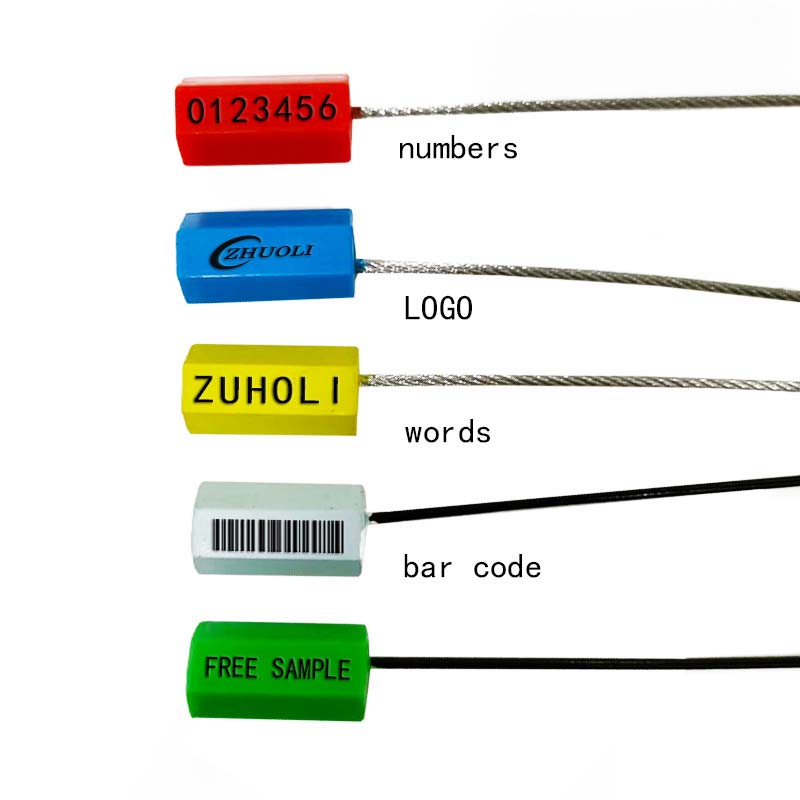
Unique Identification as a Non-Negotiable Feature: Every professional security seal is marked with a unique identifier—a sequential number, barcode, or 2D code. This number is the critical link between the physical seal and documentation (bills of lading, manifests, audit logs), enabling precise tracking and accountability.
Extensive Applications Across Critical Industries
The application of tamper-proof seals is vast, spanning any industry where the integrity of a closed space must be guaranteed between authorized interventions.
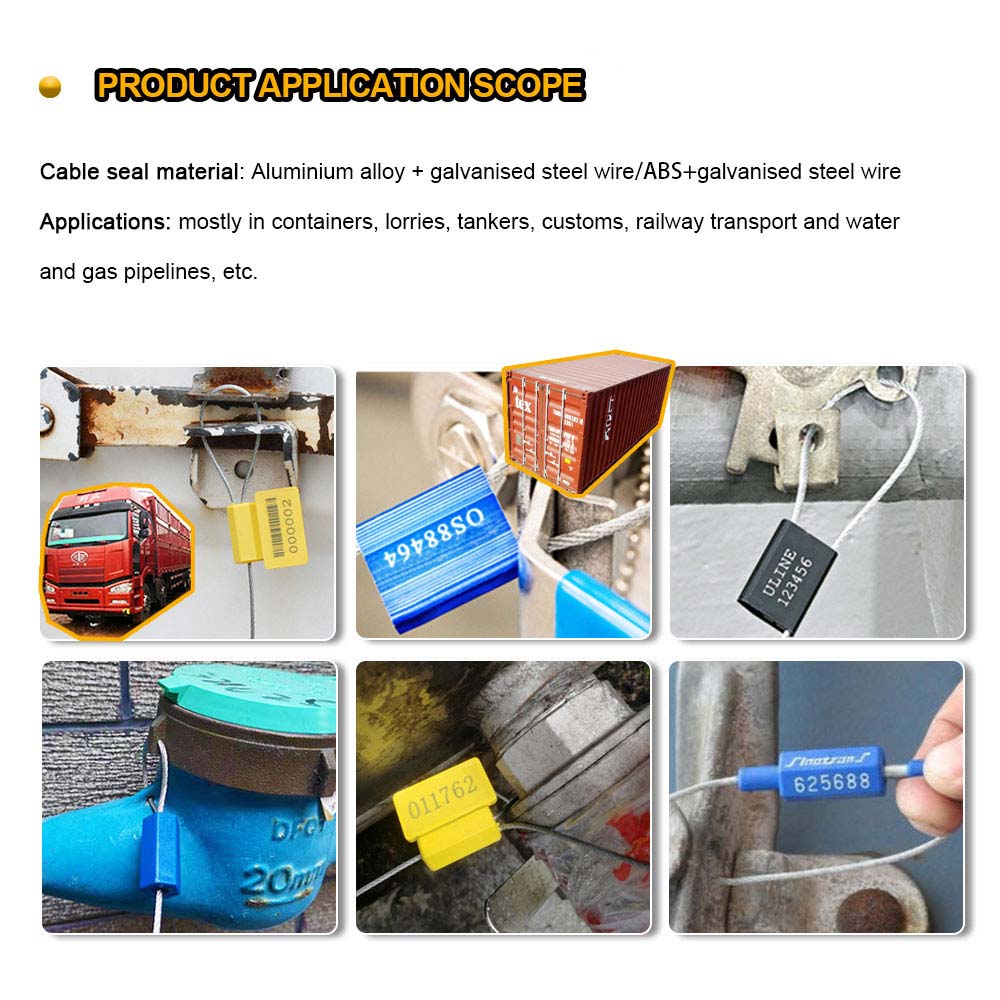
Transportation & Logistics: The backbone application. Container seals and truck seal are mandated for securing intermodal freight, preventing pilferage, and meeting international shipping regulations (e.g., ISO 17712 for containers). They are equally vital in aviation (ULD seals), rail, and postal services.
Energy & Utilities: Meter seals for electricity, water, and gas are crucial for revenue protection, preventing unauthorized access to meters and ensuring accurate billing. They deter theft of service and tampering.
Petrochemicals & Hazardous Materials: Sealing tanker hatches, valve openings, and sample containers is essential for safety, environmental protection, and preventing diversion or contamination of hazardous goods.
Retail, Banking & High-Value Logistics: Used on cash-in-transit bags, ATM cassettes, high-value retail shipments, and pharmaceutical transports to provide a clear audit trail and deter theft.
Technical Deep Dive: Materials, Construction, and Customization
A professional knowledge of sealing requires understanding the engineering behind the product. The choice of material directly correlates with the security level, durability, and cost.
Material Selection for Performance and Security
Plastic Seals (Polycarbonate, Nylon): Cost-effective and lightweight, ideal for internal security, baggage, or lower-risk tamper-evident bag seals. High-quality engineering plastics offer good UV and impact resistance.
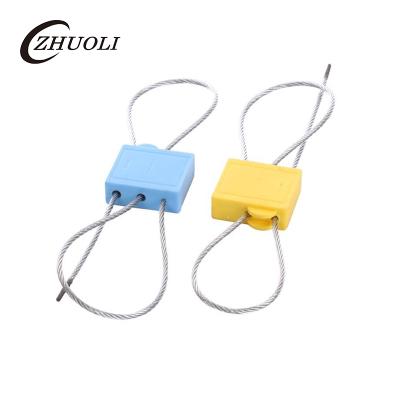
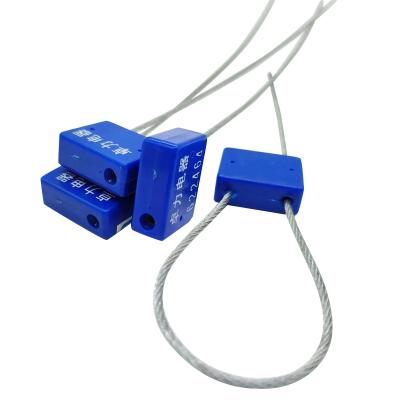
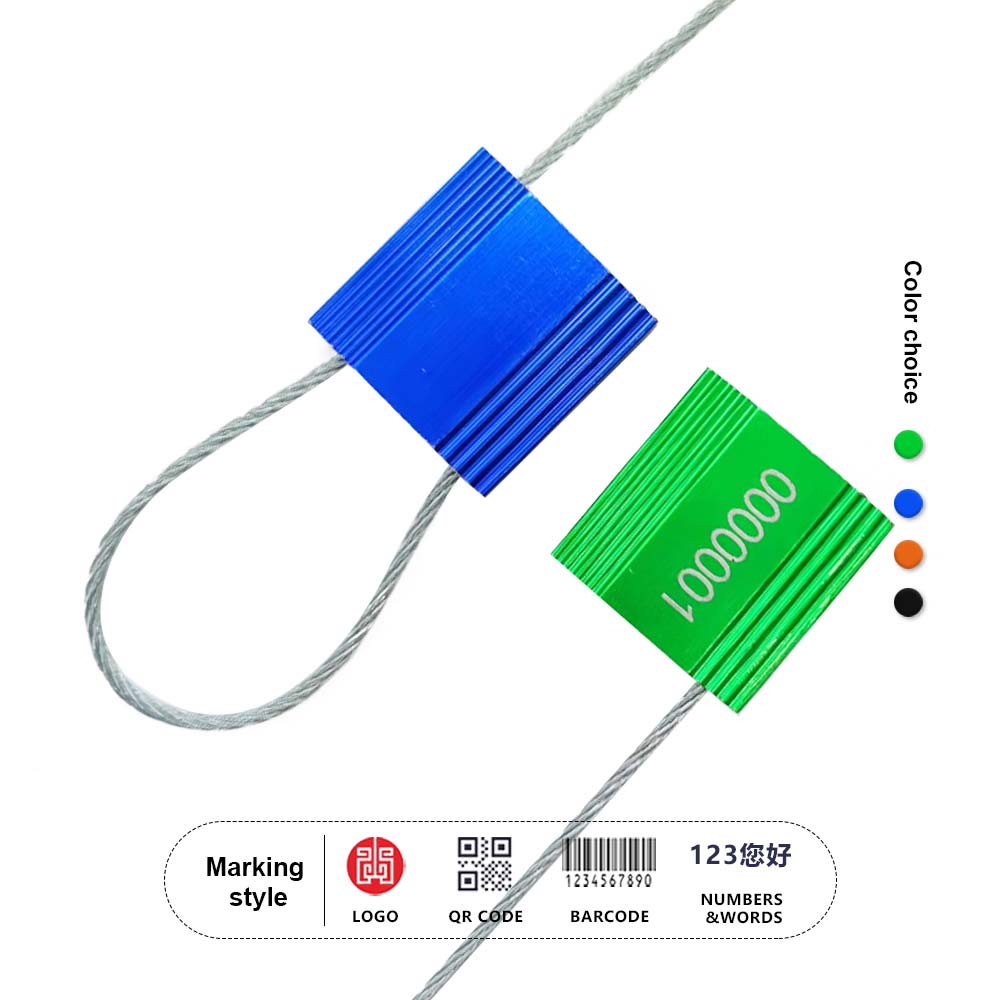
Wire Seals (Cable Seals): Offer an excellent balance of flexibility and strength. Typically composed of a galvanized steel wire rope or stainless steel cable fixed to a locking head made of zinc or aluminum alloy. They are perfect for irregular shapes like tank hatches or meter boxes.
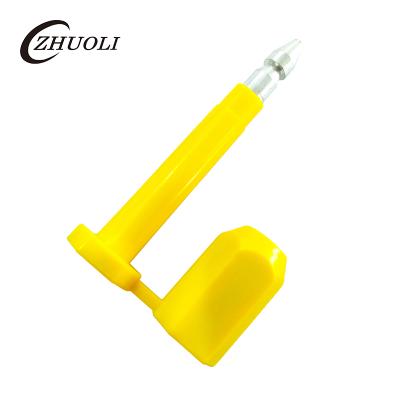
High-Security Bolt Seals: Constructed from hardened steel (e.g., A3 steel), these are the standard for container security. Featuring a solid steel bolt and a robust locking body, they are designed to resist cutting, prying, and pulling attacks, often complying with ISO 17712 High Security ('H') standards.
Composite Seals: For specialized needs, such as utility meter seals, a combination of a plastic body and a embedded, fine steel cable is used. This provides a balance of cost, durability, and a high level of tamper evidence for small devices.
Customization: Color, Printing, and Branding
To enhance functionality and brand control, seals are highly customizable.
Color Coding: Colors can be assigned to different routes, shifts, product lines, or inspection cycles (e.g., quarterly), enabling instant visual management and process control.
Advanced Printing and Marking: Unique identifiers can be applied via:
Laser Etching: Permanent, wear-resistant marking of numbers, logos, and barcodes.
Embossing/Stamping: Creates a raised mark on metal seals.
2D Codes/QR Codes: Allows for high-density data storage, linking to digital manifests or authentication databases.
RFID Integration: In electronic seals, an embedded chip enables wireless, automated scanning for superior supply chain visibility.
Best Practices in Seal Procurement and Management
Applying theoretical knowledge of sealing to practice involves a disciplined operational protocol.
Strategic Procurement Based on Risk: Do not default to the cheapest option. Assess the value and risk profile of the asset. For high-value international container cargo, only ISO 17712 certified high security seals from reputable manufacturers like Zhuoli should be considered. The cost of a seal is negligible compared to the potential loss it protects.
Implement a Rigorous Process Control:
Designated Personnel: Only authorized individuals should apply and remove seals.
Unbreakable Documentation: The unique seal number must be accurately recorded on all relevant shipping and custody documents before dispatch. This record is as important as the seal itself.
Verification upon Receipt: The consignee’s first action must be to verify the seal number against the paperwork and inspect the seal for tampering before breaking it.
Understand Authorized Opening Protocols: In regulated transit (e.g., customs inspection), authorized officials may break the original seal. The critical procedure is that they must then apply a new, official seal (e.g., a customs seal) and record its number, maintaining an unbroken chain of custody. The presence of a different seal upon receipt signals authorized, documented intervention.
Conclusion: Sealing as a Strategic Discipline
A professional knowledge of sealing elevates it from a trivial procurement item to a strategic component of risk management and operational integrity. It is the science of creating a verifiable point of trust in a physical object's history. By understanding the concepts, specifying the correct materials, enforcing strict procedures, and sourcing from quality-assured suppliers, businesses can transform a simple seal into a powerful tool for loss prevention, compliance, and customer assurance.
Transform Your Security from Passive to Proactive.
Leverage this knowledge of sealing to audit your current practices. Are you using the right seal for the right risk? Is your record-keeping infallible?
Partner with Zhuli Security Solutions for more than just products. Gain the expertise and certified, customizable sealing solutions—from basic plastic seals to ISO 17712 High-Security bolt seals—that turn knowledge into actionable security. Contact our specialists today for a consultation and sample evaluation.