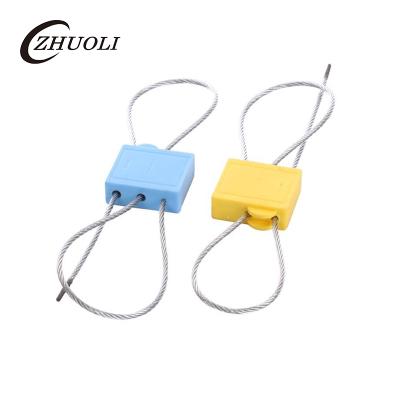
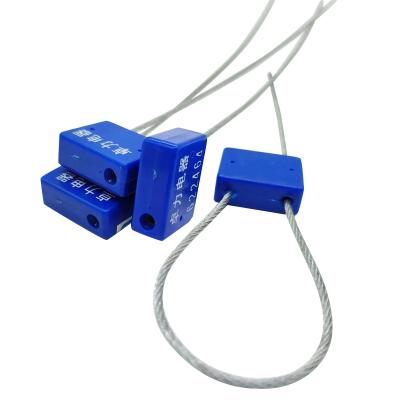
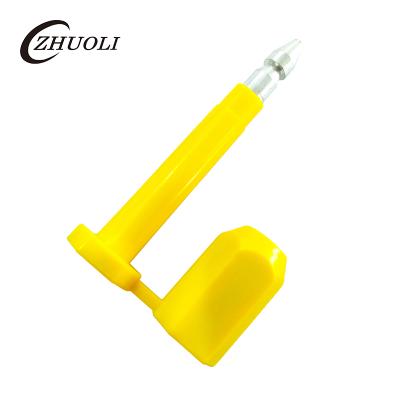
Why seal on the meter?
In the complex ecosystem of global energy distribution, electricity is not just a vital commodity—it is a precisely measured and accounted-for economic asset. The accuracy of this accounting rests upon the integrity of the electricity meter, the fundamental device that quantifies consumption for billing. However, this system faces a persistent global challenge: electricity theft through meter tampering. This illicit practice results in staggering annual revenue losses for utilities, estimated to be in the tens of billions of dollars worldwide, and poses significant safety risks. The primary technological and procedural defense against this threat is the humble yet indispensable meter seal. Far more than a simple lock, these specialized anti-tamper meter seals are engineered security devices that serve as the first line of defense in protecting revenue, ensuring fair billing, and maintaining the safety and reliability of the entire grid. For B2B buyers in utilities, meter manufacturers, and large-scale property management, understanding the evolution, technology, and strategic sourcing of high-quality meter seals is a critical component of operational and financial risk management.
Market Drivers and Regulatory Trends:
Smart Grid Deployments: The global rollout of smart meters, projected to reach over 1.5 billion units by 2027, expands the need for compatible, sophisticated seals that can integrate with digital monitoring systems.
Stringent Regulatory Compliance: Utilities are bound by strict regulations (e.g., the Electricity Law in China, various public utility commissions' rules in the U.S.) that mandate secure sealing. Using certified utility meter security seals is often a regulatory requirement for revenue protection programs.
Rising Non-Technical Losses (NTL): As a primary contributor to NTL, electricity theft directly impacts utility profitability and, ultimately, tariff rates for honest consumers, making investment in prevention technologies a top priority.
Engineering Trust: Features and Advancements in Modern Meter Seals
Modern meter seals have evolved significantly from simple lead and wire designs. Today's products are the result of precision engineering focused on deterrence, evidence, and traceability.
Core Technical Features and Materials:
Tamper-Evident Design: The fundamental principle is that any attempt to remove or open the seal causes irreversible damage. This can be achieved through:
One-Way Locking Mechanisms: Once clicked into place, the seal cannot be removed without breaking its body or cable.
Frangible Components: Parts of the seal are designed to shatter or fragment upon removal attempts.
Concealed Locking: The locking point is often embedded within the seal body, making it inaccessible without destruction.
High-Performance Materials: The shift from traditional lead-aluminum alloys to engineered polymers represents a major advancement.
PC Polycarbonate: This is now the industry-preferred material for high-quality plastic meter seals. It offers exceptional strength, impact resistance, UV stability, and resistance to corrosion, chemicals, and extreme temperatures (-40°C to +120°C). It is also more environmentally friendly than metals.
Specialty Composites: For high-security applications, materials can be embedded with microfibers or metal strands that break in a unique pattern, providing a forensic level of tamper evidence.
Unique Identification and Customization:
Every professional meter seal is marked with a unique, sequential alphanumeric code, typically laser-engraved for permanence. This
Traceability: The code is logged in utility asset management systems, linking the physical seal to a specific meter, location, and installer.
Brand Authentication: Seals can be customized utility seals with logo, featuring the utility's logo, colors, and security holograms, making them extremely difficult to counterfeit—a key feature of revenue protection seals for electricity companies.
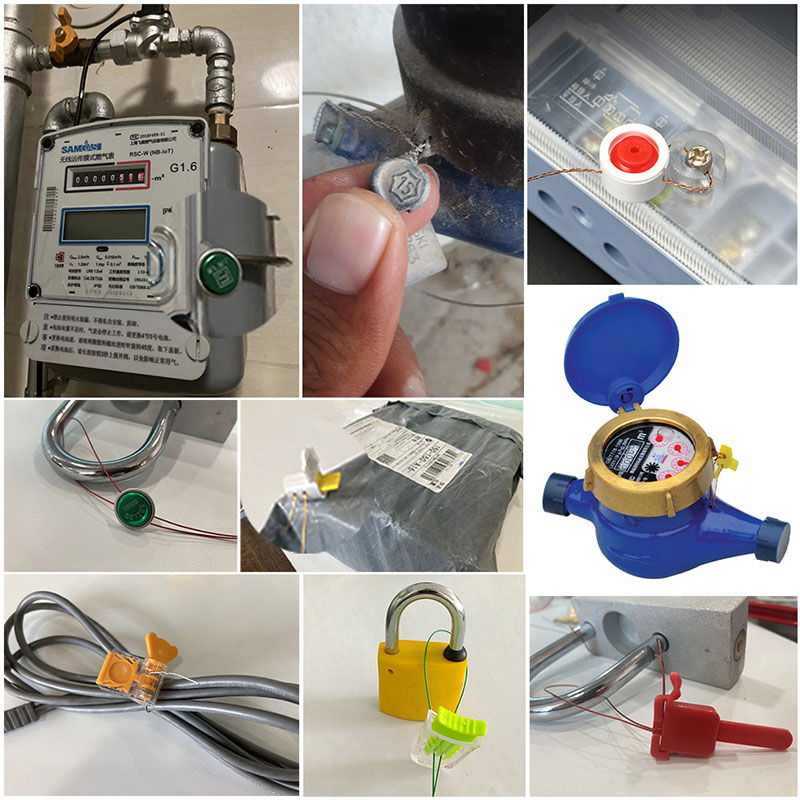
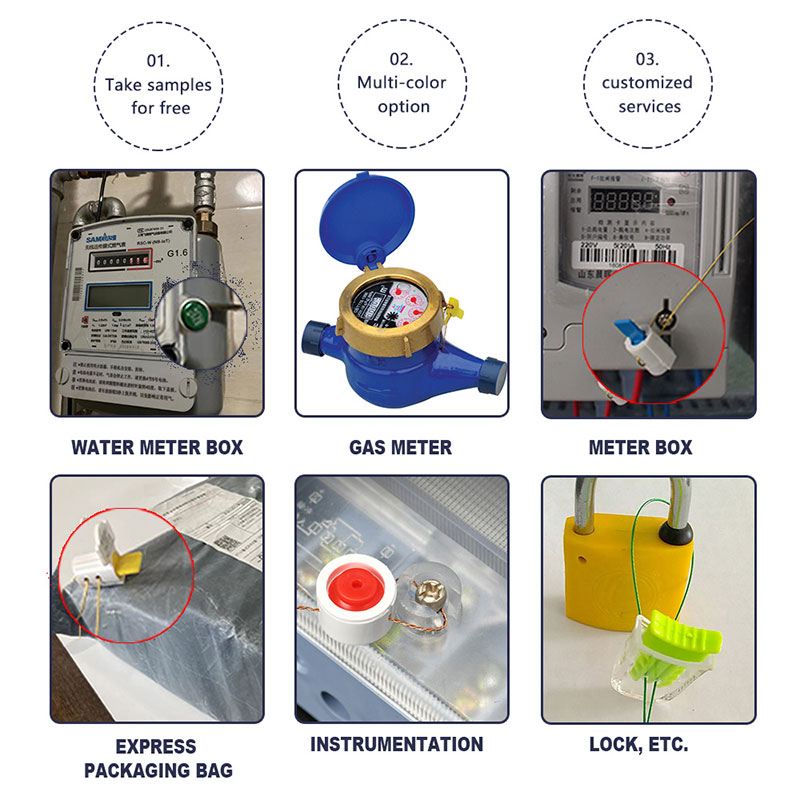
Classification and Application: Securing the Meter Lifecycle
As noted in industry practice, seals are applied at different points in a meter's lifecycle, each serving a specific custodial function:
Factory/Calibration Seal (Large Cover): Applied by the meter manufacturer or an authorized calibration lab after verification. This inspection seal for energy meters certifies the device's initial accuracy and conformity. Breaking this seal typically voids the manufacturer's warranty.
Utility Installation Seal (Small Cover/Compartment): Applied by the utility's technician upon installation. This secures the terminal cover where service connections are made, preventing unauthorized access to live wiring. It is the primary defense against direct electricity meter tamper prevention.
This two-seal system establishes a clear chain of responsibility and is a global best practice for secure sealing solutions for smart meters and traditional devices alike.
Manufacturing Excellence and Quality Assurance
The production of reliable meter seals is a precision process. A manufacturer like Shandong Zhuoli Electric Appliance Co., Ltd. employs stringent controls:
Injection Molding: High-grade PC granulate is molded under precise temperature and pressure to create the seal body with consistent strength and detail.
Cable/Component Integration: Steel cables or locking pins with specified tensile strength are integrated during molding or assembly.
Laser Marking: A high-resolution laser permanently etches unique codes and logos into the material. This mark cannot be removed without destroying the substrate.
Quality Testing: Batches undergo destructive testing for pull strength, impact resistance, and environmental stress cracking. Compliance with relevant industry standards is verified.
The Compliance and Legal Framework
The legal imperative for using seals is severe. As highlighted, acts such as forging or opening an authorized seal are legally defined as electricity theft. Penalties globally can include heavy fines (often multiples of the stolen electricity's value), back-billing for estimated consumption, and criminal prosecution. Therefore, deploying ISO 17712 inspired security seals for metering (adapted for the utility sector) or seals meeting other regional standards is not merely operational—it is a legal and financial necessity for utilities to defend their revenue and enforce contracts.
Conclusion: An Investment in Financial and Operational Integrity
In conclusion, meter seals are a critical, high-ROI investment for any entity involved in energy measurement and billing. They are a low-cost component that safeguards high-value revenue streams. The market is moving towards smarter, more durable, and more traceable sealing solutions that integrate with digital utility platforms.
Call to Action for Utility Procurement and Meter Manufacturers:
Evaluate your current sealing strategy. Are your seals providing unequivocal tamper evidence? Can they be easily counterfeited? Do they withstand your regional environmental challenges?
We recommend engaging with a professional manufacturer like Shandong Zhuoli Electric Appliance Co., Ltd. to request a comprehensive product dossier and material samples. Test the tensile strength, attempt tampering, and expose samples to UV and temperature cycles. Verify their customization capabilities for logos and sequential numbering. By partnering with a dedicated manufacturer, you secure not just a product, but a vital component of your revenue protection and safety infrastructure. Protect your assets with the same diligence applied to your energy distribution.