How to Use a Container Seal: A B2B Guide to Ensuring Cargo Security and Compliance
In the complex world of global logistics, the humble container seal is a critical first line of defense. For B2B buyers, logistics managers, and freight forwarders, understanding how to use a container seal correctly is not just procedural—it’s fundamental to security, liability, and smooth customs clearance. A single improperly applied seal can lead to theft, tampering, costly delays, and insurance disputes. This guide provides a professional, step-by-step overview of container seal application, types, and best practices, empowering your business to safeguard its international shipments.
The Vital Role of Container Seals in Global Trade
Container seals, often called bolt seals or container security seals, are mandatory for all intermodal shipping containers. They serve as a tamper-evident device, providing physical security and a verifiable record of a container’s integrity from the point of loading to final destination. The global market for high-security seals is driven by rising cargo theft, stringent ISO 17712 standards, and the need for robust supply chain visibility. For B2B buyers, sourcing reliable container seals is a direct investment in risk mitigation and operational integrity.
Types of Container Seals: Choosing the Right Tool for the Job
Selecting the appropriate seal is the first step. The primary categories include:
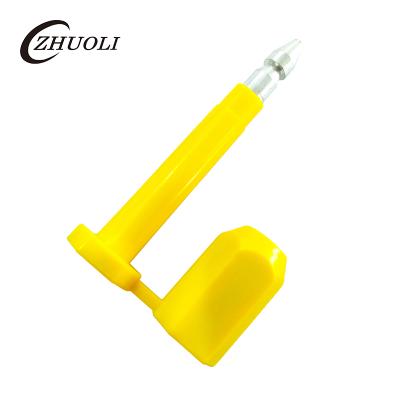
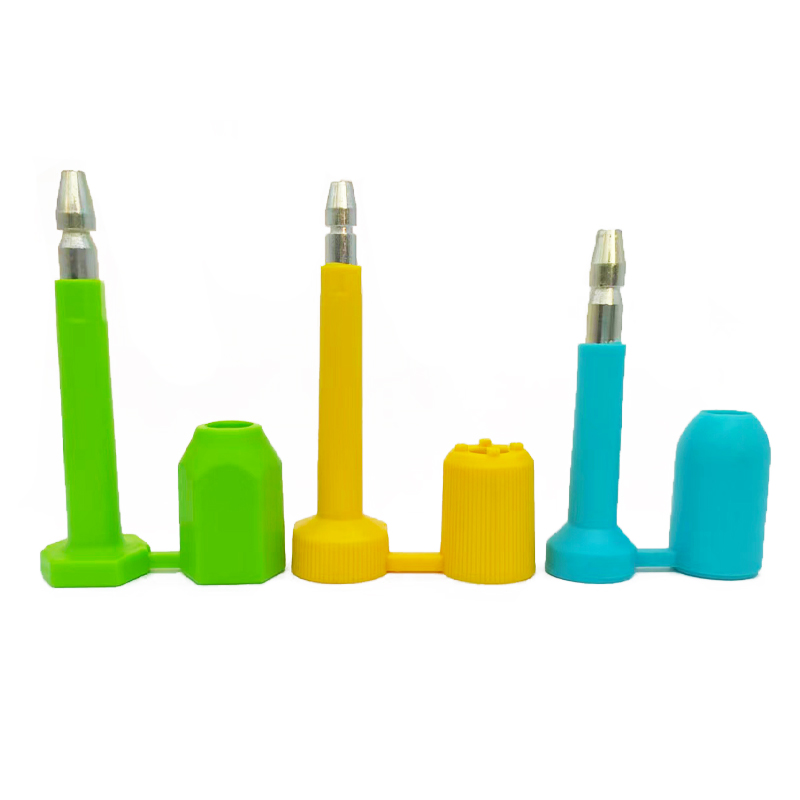
1. Barrier Seals (Cable or Bolt Seals)
Application: The most common type for door-to-door shipping. A steel bolt passes through the container door hasps, secured by a locking mechanism.
Advantage: Offers high tensile strength and is difficult to cut without specialized tools. High security bolt seals are often ISO 17712 certified.
Typical Use: Standard dry containers, high-value cargo.
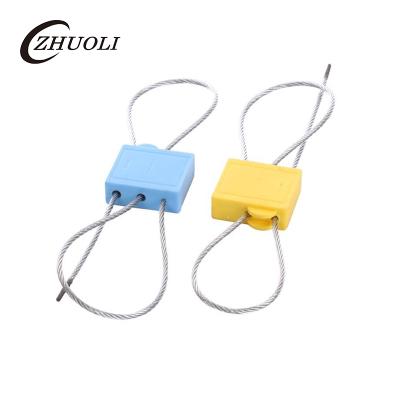
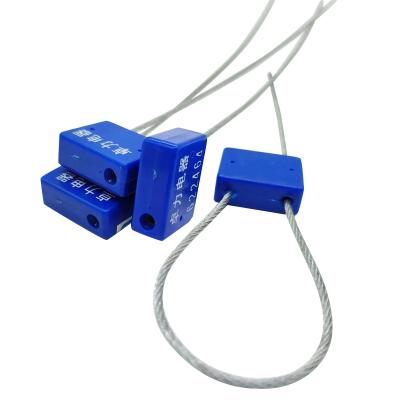
2. Cable Seals
Application: Feature a flexible steel cable loop, useful for securing containers with non-standard hasps, trailers, or internal compartments.
Advantage: Flexibility allows for securing multiple points.
Typical Use: Tankers, bulk carriers, specialized equipment.
3. Electronic Seals (E-Seals)
Application: Incorporate RFID or GPS technology to provide real-time container tracking and monitoring.
Advantage: Enables automated checkpoint verification and immediate tamper alerts, enhancing supply chain visibility.
Typical Use: High-value, sensitive, or time-critical shipments.
Step-by-Step: How to Properly Apply a Container Seal
Correct application is crucial for the seal to serve its purpose. Follow this procedure for standard barrier seals:
Step 1: Inspection and Preparation
Before loading, visually inspect the container doors, hinges, and locking rods for damage or signs of prior tampering. Ensure the door handles are fully engaged in the locked position. Have your container seal number ready for recording.
Step 2: Positioning the Seal
Insert the steel bolt of the seal through the eyelets of both door locking rods. Pull the bolt completely through so the locking head sits flush against one side of the hasps. For maximum security, ensure there is minimal slack—the seal should be tight and cannot be manipulated.
Step 3: Locking the Seal
Apply firm, steady pressure to the locking mechanism until it clicks or crimps permanently. For bolt seals, this often involves pressing a locking collar. Do not use excessive force that could damage the seal. Once locked, the seal cannot be opened without breaking it.
Step 4: Verification and Documentation
This is the most critical administrative step.
Record the Number: Clearly and accurately record the unique container seal number on all shipping documents: the Bill of Lading, the packing list, and your internal manifest.
Visual Verification: The consignee or next party in the chain must verify this number against the paperwork before breaking the seal. A mismatch indicates a serious breach.
Photographic Evidence: Consider taking a clear, dated photo of the applied seal showing its number and position. This provides digital proof of condition at departure.
Key Technical Features and Manufacturing Standards
Quality container security seals are engineered for reliability:
Material: High-strength steel with corrosion-resistant coatings (e.g., galvanization) is standard for the bolt and body. Cables are made of braided steel.
Tamper-Evident Design: Quality seals are designed to break cleanly, showing obvious signs of cutting, prying, or manipulation. Locking mechanisms are often internally complex to prevent picking.
ISO 17712 Certification: The international benchmark. Certifies seals as “High Security” based on rigorous tensile strength, shear strength, and impact resistance tests. For B2B buyers, specifying ISO 17712 compliant seals is non-negotiable for high-risk routes.
Unique Sequential Numbering: Laser-etched or embossed numbers provide non-replicable identification, crucial for documentation and forensics.
Industry Trends and the Future of Container Sealing
The container seal market is evolving with technology:
Smart Logistics Integration: The growth of electronic container seals (E-Seals) is tied to the Internet of Things (IoT) in logistics. They automatically transmit status data to container tracking and monitoring platforms.
Blockchain for Verification: Seal numbers and status checks are increasingly being logged on blockchain platforms, creating an immutable, transparent chain of custody for all parties.
Sustainability in Manufacturing: Manufacturers are exploring more durable materials and processes to extend seal life and reduce waste, responding to broader corporate sustainability goals.
Conclusion and Professional Action for B2B Buyers
Knowing how to use a container seal is a basic yet vital competency in international shipping. It protects your assets, ensures compliance with carrier and insurance requirements, and builds trust with your consignees.
Secure Your Supply Chain Today:
Do not treat container seals as a commodity afterthought. Partner with a reputable supplier who provides ISO 17712 certified high security seals and can advise on the best solution for your specific shipping lanes and cargo types. Request samples to test tensile strength and tamper evidence. Inquire about electronic seal options to upgrade your supply chain visibility.
Protect your cargo from the first mile to the last. Contact a trusted security seal manufacturer now to evaluate your needs and ensure every shipment begins and ends with integrity.