Wire Tamper Seals: The Critical First Line of Defense in Global Supply Chain Security
In an era of increasingly complex and vulnerable global supply chains, the physical integrity of cargo during transit is a paramount concern for businesses worldwide. From high-value electronics and pharmaceuticals to standard retail goods, ensuring that shipments arrive untouched and untampered is fundamental to profitability, brand reputation, and customer trust. At the forefront of this physical security strategy are wire tamper seals. More than simple locks, these specialized devices serve as the definitive, tamper-evident sentinels for containers, trailers, and sensitive equipment. For international B2B buyers in logistics, manufacturing, and transportation, understanding the technical sophistication, compliance requirements, and strategic application of high security wire tamper proof seals is not an option—it is a critical component of robust risk management. This article delves into the product’s core advantages, evolving market trends, and key considerations for procurement.
The Unforgiving Landscape: Why Tamper-Evidence is Non-Negotiable
Global trade continues to grow in volume and complexity, moving through multiple handoffs and transit points. Each node presents a potential vulnerability. The American Transportation Research Institute notes that cargo theft remains a multi-billion dollar issue annually, with pilferage being a predominant method. Furthermore, stringent regulations in sectors like pharmaceuticals (GDP), aerospace, and customs require demonstrable proof of chain-of-custody.
Market Drivers and Trends:
Rising Cargo Value & Theft Risk: The concentration of high-value goods in single shipments increases the incentive for theft, making visible, robust seals a primary deterrent.
Regulatory and Insurance Mandates: Compliance with standards like ISO 17712 is often a prerequisite for shipping contracts and insurance coverage. Insurers may scrutinize seal integrity in claims investigations.
Digital-Physical Integration: There is a growing trend to pair physical wire tamper seals with digital technologies. Serialized wire seals for track and trace systems, where a unique barcode or RFID tag is linked to the seal number, allow for real-time monitoring and automated checkpoint verification.
Demand for Customization: Companies seek custom wire tamper evident seals featuring logos, unique color codes for route identification, and proprietary numbering to prevent fraud and enhance brand visibility.
This environment underscores the shift from viewing seals as a commodity to recognizing them as a strategic security asset.
Deconstructing Security: Core Features and Advantages of Wire Tamper Seals
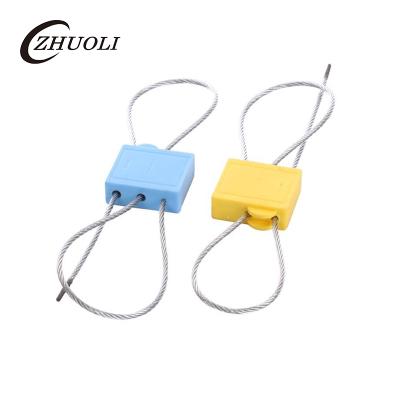
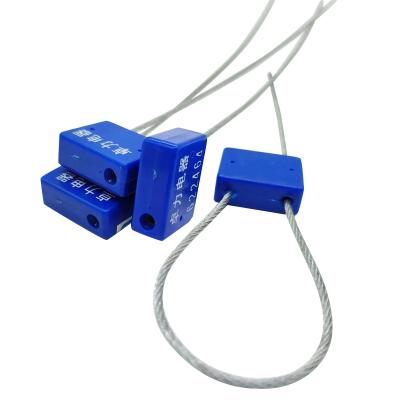
A wire tamper seal, often called a cable seal or bolt seal, is engineered to provide one-time, irreversible locking. Its design offers distinct advantages over other seal types like plastic or metal strap seals.
Primary Advantages:
Flexible Yet High-Strength Security: The steel cable can conform to various locking configurations (e.g., container doors, valve handles, truck bay doors) while offering exceptional tensile strength, resisting cutting or pulling attacks.
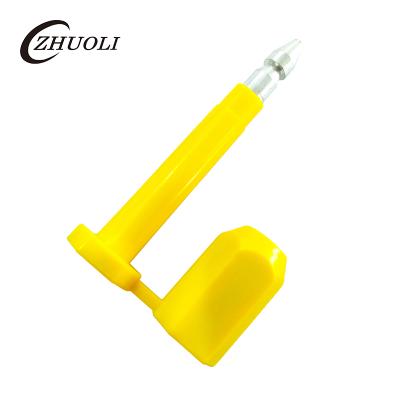
Superior Tamper-Evidence: Any attempt to cut, saw, or manipulate the seal results in clear, irreversible damage. The locking mechanism is typically a hardened steel bolt or ball that, once seated, cannot be removed without destroying the seal body. This provides unambiguous evidence of intrusion, making reliable anti-tamper wire seals crucial for audit trails and dispute resolution.
Durability in Transit: Constructed from materials like galvanized or stainless steel with protective coatings, quality seals withstand harsh environmental conditions—corrosion, UV exposure, and physical impacts—throughout long-haul journeys.
Key Technical Features and Components:
Locking Body: The heart of the seal. High-security models use a locking mechanism that mechanically grips the cable end or a separate bolt. Once engaged, it cannot be disassembled non-destructively. Materials range from hardened steel to zinc alloy, with advanced designs featuring anti-pry covers.
Unique Identification: Each seal is permanently marked with a unique serial number, often laser-etched for durability. This is essential for recording and reconciliation in shipping documents.
Optional Features: These include colored PVC coating for visual management (e.g., color coded wire tamper seals for route identification), barcodes/QR codes for scanning, and RFID tags for contactless reading.
The Benchmark of Trust: ISO 17712 and Compliance
For international trade, the ISO 17712 standard is the universal benchmark for seal security. It classifies seals into three levels:
'I' - Indicative: Provides only basic evidence of tampering.
'S' - Security: Offers a higher level of tamper-resistance.
'H' - High-Security: Designed to offer the highest level of resistance to deliberate tampering, forcing attacks, and covert entry.
Wire tamper seals intended for cross-border container shipping must be independently tested and certified to the ISO 17712 'H' standard. Reputable manufacturers provide certification documentation. For buyers, specifying ISO 17712 certified wire seals is the first step in ensuring global acceptance and compliance.
From Factory to Final Destination: Manufacturing and Application Insights
Brief Manufacturing Process:
Quality manufacture of wire tamper seals involves precision engineering. The process typically includes: cable stranding and cutting, application of protective coating (if colored), precision machining of the lock body from hardened metals, assembly of the locking mechanism, and finally, permanent marking of the unique identifier via stamping or laser engraving. Rigorous quality control, including destructive batch testing for tensile strength and tamper-resistance, is integral to the process.
Application in Practice:
The procedure for using a wire tamper seal is standardized but critical:
Recording: The unique seal number is recorded on the shipping manifest, bill of lading, and digital system before application.
Application: The cable is threaded through the hasps of the container or door, and the tip is fully inserted into the locking body until it audibly or tactilely clicks, permanently engaging.
Verification: Upon receipt, the consignee must physically verify that the seal number matches the documentation and inspect the seal for any signs of damage, bending, or manipulation before breaking it to open the cargo.
This process makes tamper proof wire seals for shipping containers a cornerstone of secure logistics protocols.
Navigating the Market: A Buyer’s Guide to Sourcing
When procuring wire tamper seals in bulk, B2B buyers must look beyond price.
Critical Sourcing Considerations:
Certification Proof: Demand valid, traceable ISO 17712 'H' certification for the specific seal model.
Material Specifications: Inquire about cable tensile strength, lock body material (e.g., hardened steel), and corrosion resistance (e.g., zinc plating grade).
Customization Capability: Assess if the supplier can provide customized high security wire seals with your required numbering sequence, branding, or color systems.
Supplier Audit: Evaluate the manufacturer’s reputation, production capacity, and quality assurance processes. Request samples for your own due diligence testing.
Conclusion: Securing Assets, Ensuring Trust
In the intricate dance of global commerce, wire tamper seals perform a vital, silent role. They are the physical guarantee of contractual and custodial integrity. Investing in high-quality, compliant seals is a direct investment in supply chain resilience, protecting against financial loss, compliance failures, and reputational damage.
Professional Call to Action for B2B Buyers:
Do not let your security be the weakest link. Elevate your procurement strategy from a routine purchase to a strategic security review.
Audit your current seal specifications against the ISO 17712 'H' standard. Then, partner with a certified manufacturer who can provide technical documentation, product samples, and a consultative approach to your specific logistics challenges.
Request a product dossier and samples today to conduct your own strength and tamper-evidence tests. Verify the certification, assess the build quality, and ensure your chosen wire tamper seals provide the unambiguous security your cargo demands and your business deserves.