From Container to AI Chip: The "High Security Seal" Sector Embraces a Dual Opportunity
Logistics Security: Guarding the "Last Mile" of Cargo Transport
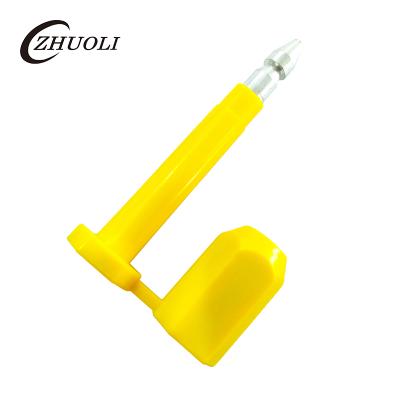
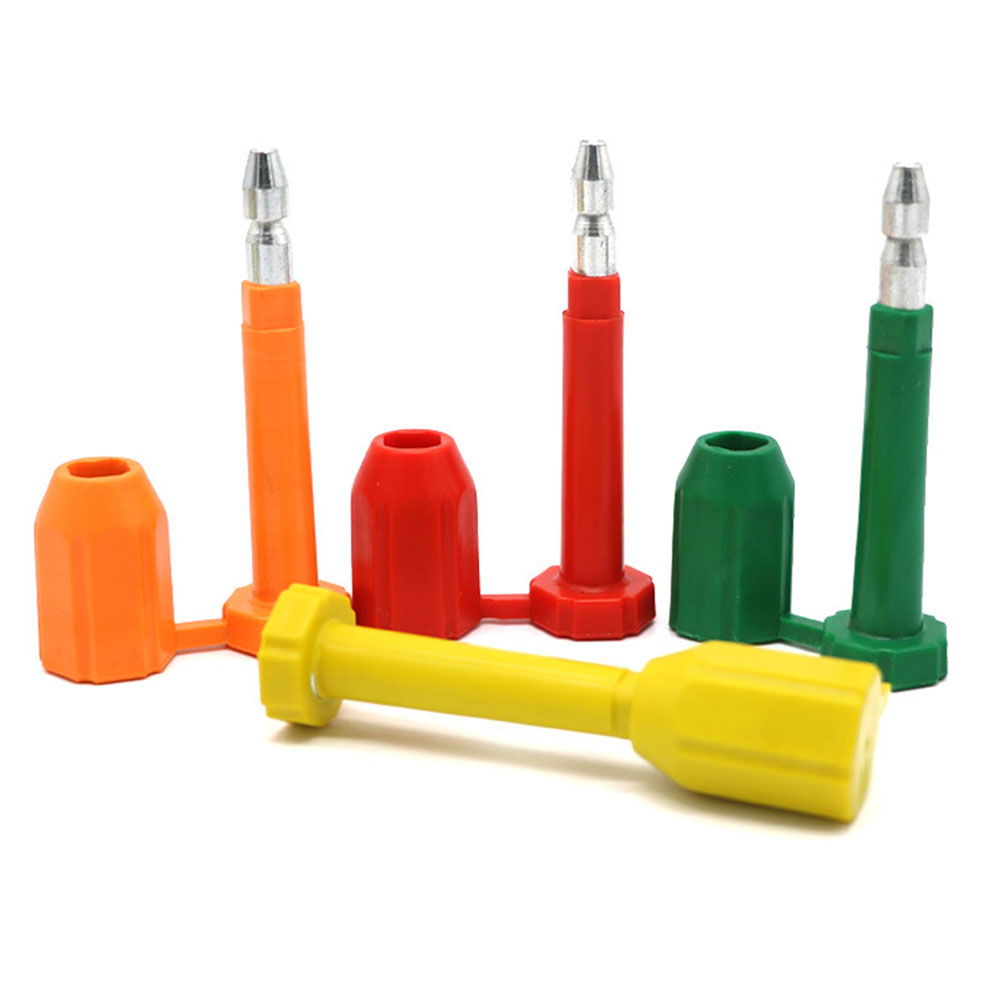
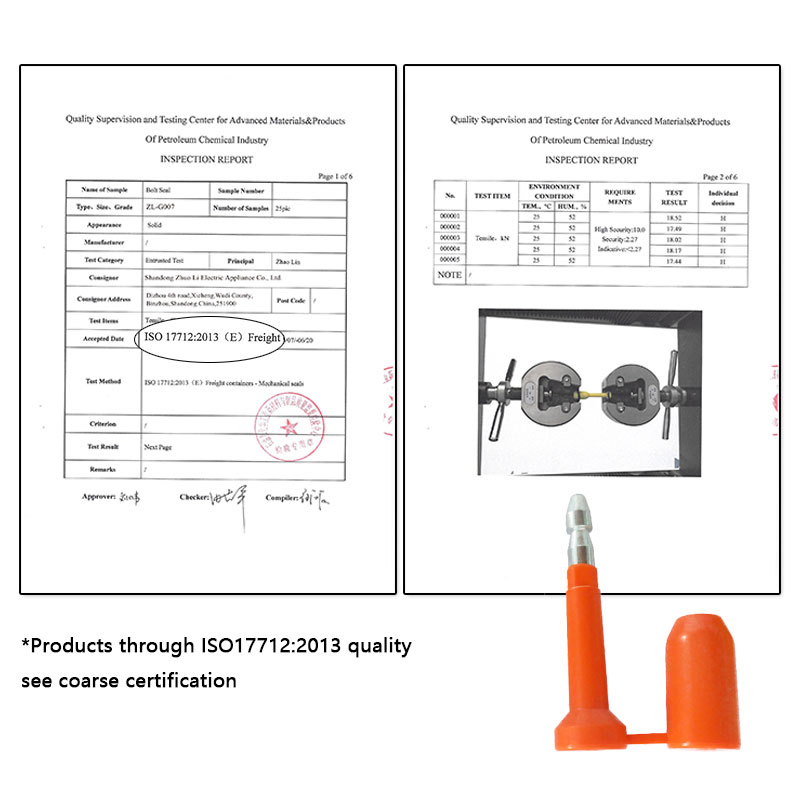
In international shipping and long-haul land transportation, high security seals have long served as the physical line of defense for cargo safety. Unlike traditional mechanical locks, high security seals feature a single-use locking mechanism. The internal structure employs a collet-spring design, with both the locking bolt and body made of metal and surface-treated with zinc plating and passivation, achieving a tensile strength of over 900 kilograms. Once broken, the seal leaves visible evidence and cannot be reused, effectively preventing cargo theft or tampering during transit.
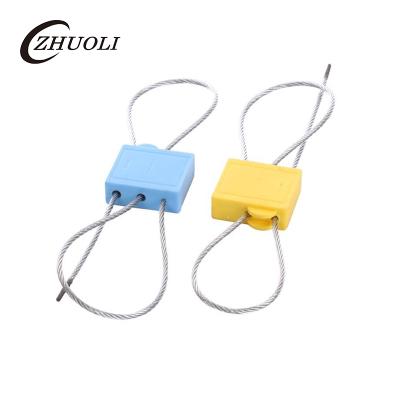
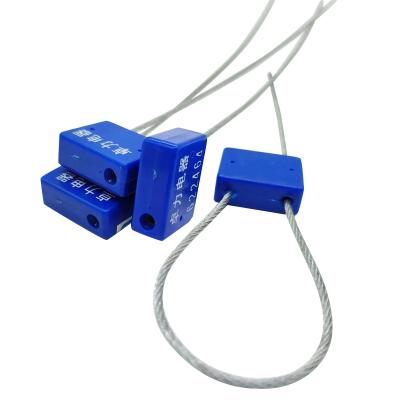
As the logistics industry demands ever-higher standards of safety and traceability, the high security seal sector is evolving toward intelligent solutions. In recent years, "IoT seals" — which integrate chips, Bluetooth connectivity, and positioning modules into traditional high security seal designs — have begun entering the market. These smart seals can automatically record the time and location of both application and removal, while uploading real-time movement trajectories, providing a complete chain of evidence for high-value cargo shipments, including cold-chain and hazardous materials transport.
On the international certification front, domestically manufactured high security seals have repeatedly received recognition from authoritative bodies such as the U.S.-based DAYTON T. BROEN certification agency. Chinese products are progressively becoming key suppliers of container high security seals for major global shipping enterprises, demonstrating that "Made in China" high security seals have achieved international quality standards.
Semiconductor Packaging & Testing: The "Hidden Champion" of the AI Era
While logistics high security seals serve as "physical locks" for cargo safety, in the semiconductor industry, "advanced packaging" serves as the "technological key" unlocking AI computing power bottlenecks — though their application scenarios differ vastly, the two share a core logic of "encapsulation and protection."
Much like how logistics seals safeguard cargo integrity, advanced packaging technology addresses the challenge of sustaining chip performance. As Moore's Law approaches its physical limits, relying solely on process node miniaturization can no longer sustain dramatic chip performance gains. Advanced packaging technologies — including 2.5D/3D stacking and chiplet integration — have emerged as the critical pathway for enhancing computing power in the post-Moore era.
Market data underscores the explosive growth of this sector. According to a report by Sigmaintell Consulting, the global high-end packaging market is projected to reach $58.7 billion in 2026, representing a 97% year-over-year increase — nearly doubling in a single year. Demand for advanced packaging continues to surge, with supply gaps expected to persist through the second half of 2027.
AI computing demand serves as the primary growth engine. Take HBM (High Bandwidth Memory) as an example: by stacking multiple memory chips and integrating them with GPUs through advanced packaging, HBM creates rigid demand for these technologies. The HBM market is expected to grow 58% to $54.6 billion in 2026, accounting for nearly 40% of the overall DRAM market. Despite the three major memory manufacturers allocating up to 70% of new capacity to HBM production, the capacity gap remains at 50%–60%.
Domestic packaging and testing companies are ramping up investments with unprecedented intensity. Major industry players have significantly raised their 2026 fixed-asset investment budgets, with a strategic focus on 2.5D/3D wafer-level packaging. Multiple funding plans and several billion-yuan-level advanced packaging industrial base projects are also accelerating.
From Physical Seals to Smart Seals
Whether it is traditional high security seals in the logistics sector or advanced packaging technologies in the semiconductor industry, the essence of "sealing" lies in building trust, ensuring security, and enabling traceability.
Traditional high security seals protect cargo through physical means; IoT seals achieve end-to-end visibility through data; and advanced packaging delivers performance guarantees for AI chips through technological innovation. Though these three belong to distinct sectors, they converge on a common trajectory: in the era of ubiquitous connectivity, "sealing" is no longer simply about locking or wrapping — it is about building a comprehensive trust mechanism spanning both the physical and digital realms.
With the continued propagation of AI-driven demand and the deepening of domestic substitution across critical supply chains, both the high security seal and advanced packaging sectors — from shipping containers to semiconductors — are poised for unprecedented growth opportunities.