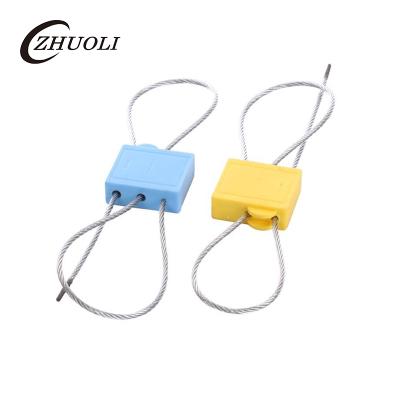
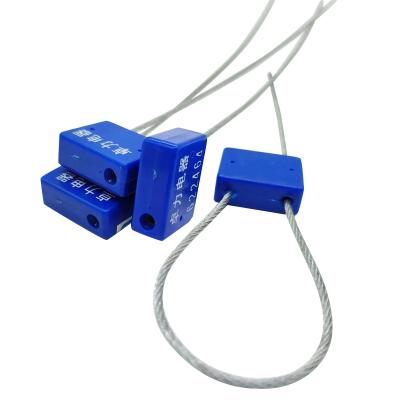
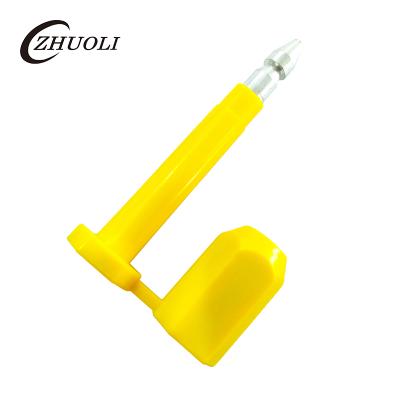
Logistics Security Seals Enter the Smart Era: Technical Evolution and Green Transition of 250mm Large Plastic Seals
Current State: 250mm Large Plastic Seals Remain the Industry Workhorse
Large plastic seals, particularly those in the 250mm length class, remain the standard solution for securing postal bags, bulk parcels, and logistics containers across domestic and international supply chains. Their design balances security, traceability, and cost efficiency—making them indispensable for high-volume operations.
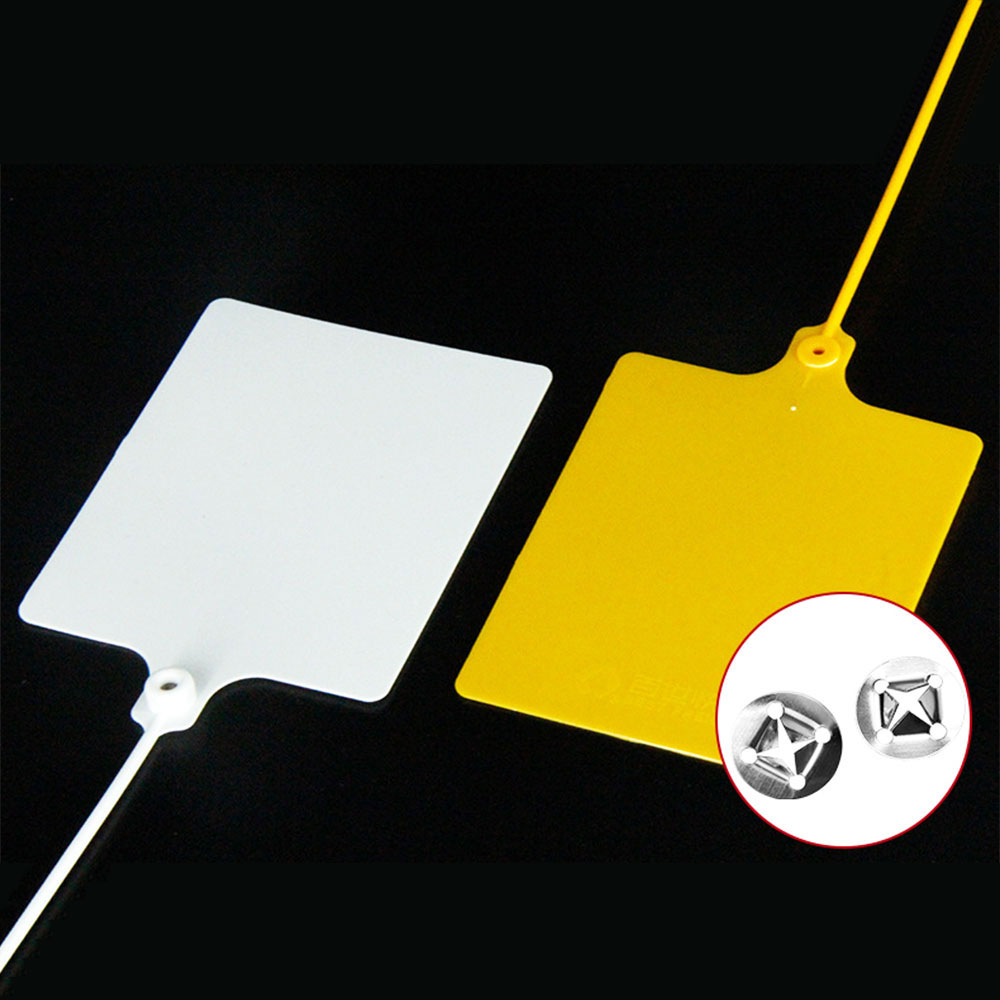
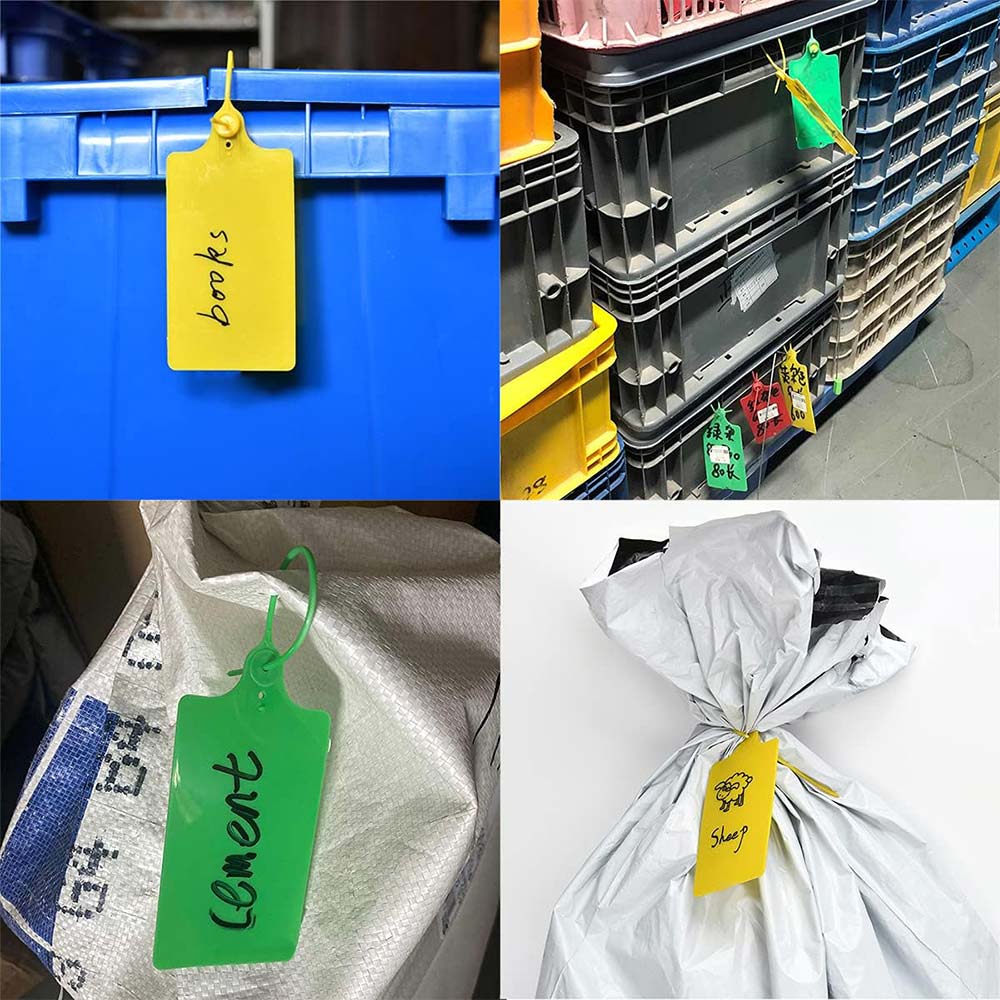
Core Specifications and Standards
Modern 250mm plastic seals are manufactured to meet rigorous physical and regulatory requirements:
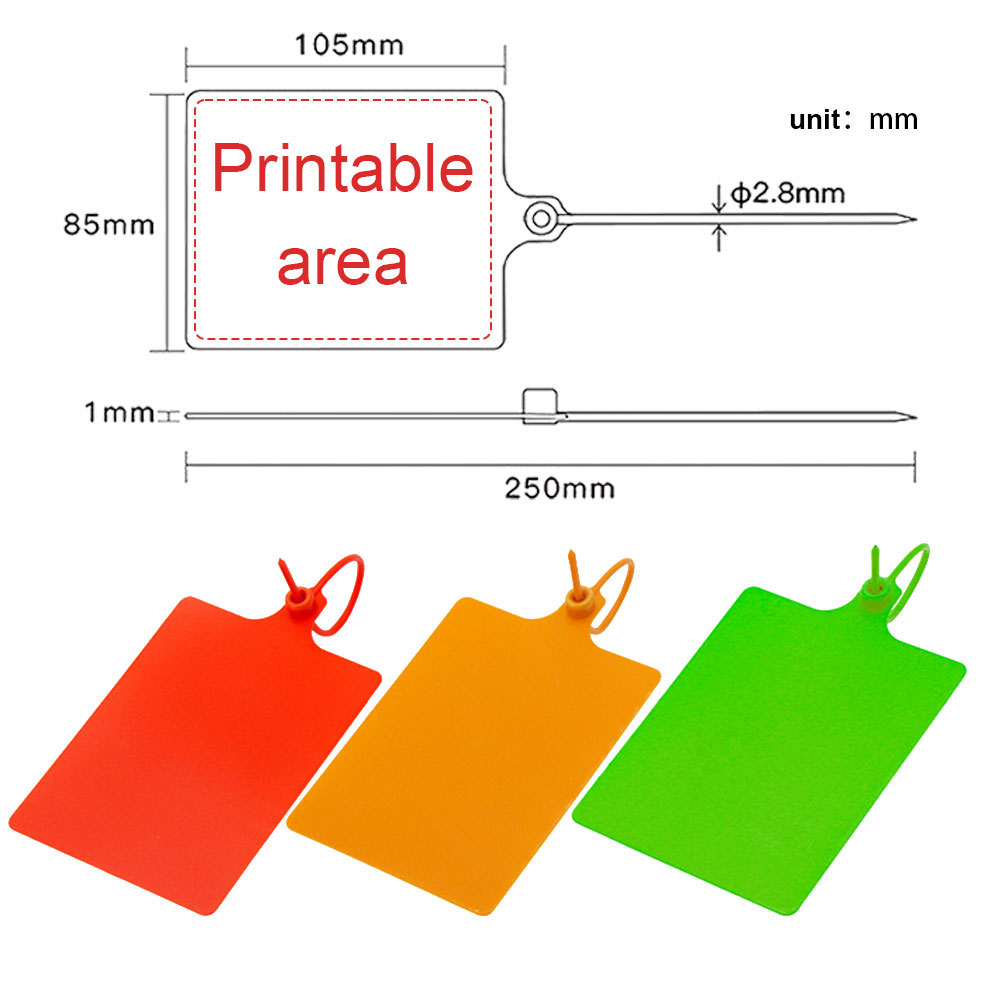
Dimensions and Strength: Typically 250mm in total length with a diameter of approximately 2mm. Tensile strength is a critical metric, with 124N (≈12.6 kgf) being the industry baseline for standard parcel and mailbag applications.
Materials and Construction: The main body is injection-molded from polypropylene (PP) , sometimes blended with PE for enhanced flexibility. Premium variants incorporate 65Mn spring steel or 304 stainless steel inserts within the locking mechanism to resist pulling and prying attacks. Manufacturing relies on hot-melt crimping or ultrasonic welding to ensure irreversible locking once tensioned.
Compliance and Safety:
Meets ISO 17712 requirements for mechanical strength and tamper evidence.
Complies with FDA 21 CFR 177.1520 and equivalent food-contact safety standards for non-hazardous cargo.
Designed to be metal-free and X-ray transparent, meeting civil aviation security requirements for air-freight compatibility.
Traceability Features: Supports laser engraving or hot-stamping for sequential serial numbers, barcodes, QR codes, and custom logos—enabling unique identification and digital tracking across logistics networks.
In 2025, the global transport security seals market was valued at approximately US$8.68 billion, with plastic seals accounting for a significant share due to their low cost, lightweight nature, and printability.
Key Limitations of Traditional Seals
Despite widespread adoption, conventional plastic seals face inherent challenges:
Manual visual inspection is labour-intensive and error-prone.
Counterfeiting and replication risks remain.
Chain-of-custody documentation is disconnected from physical security events.
These pain points are driving a dual transformation: intelligence and sustainability.
Future Trend 1: From Physical Locks to Smart Data Nodes
The most prominent shift is the integration of electronic functionality into disposable seals, turning them into Internet of Things (IoT) endpoints that communicate with existing digital infrastructure.
RFID/NFC-Enabled Smart Seals
By embedding passive RFID or NFC chips, smart seals can be read wirelessly—even via standard smartphones—without opening the package or container. This enables automated, contactless verification of seal identity and tamper status.
Real-World Adoption: China's national standard GB/T 40710-2021 for NFC-based container seals has been implemented. Sinotrans, a major Chinese logistics provider, has deployed over 1.6 million NFC seals on China-Japan and China-Korea shipping routes.
Key Advantage: NFC seals require no proprietary readers—only a mobile phone—making deployment significantly cheaper than active electronic seals.
IoT-Integrated Seals
Advanced versions incorporate sensors to monitor temperature, shock, vibration, humidity, or chemical exposure alongside seal integrity. These are currently used in high-security sectors such as pharmaceutical cold chains, nuclear material transport, and high-value asset logistics, with costs expected to decrease as the technology matures.
Market Projections and Business Model Evolution
Industry forecasts indicate that the penetration rate of smart (electronically integrated) seals will grow from 15% in 2025 to over 25% by 2030. Simultaneously, the business model is shifting from one-off product sales to "Seal-as-a-Service" subscriptions, offering real-time monitoring and data analytics through cloud platforms.
Regulatory Push
Regulatory changes are accelerating adoption:
The European Union will require RFID/NFC-enabled smart seals for high-risk goods entering its borders starting in 2026.
China's mandatory industry technical standards were updated in 2024, further aligning domestic requirements with global best practices.
These policies effectively mandate the transition from "selling hardware" to "delivering security as a service."
Future Trend 2: From Single-Use Plastic to Sustainable Materials
Environmental concerns are reshaping material choices across the logistics sector, and seals are no exception.
Biobased and Biodegradable Materials
Polylactic acid (PLA) and other biopolymers are already proven in adjacent packaging applications. For example, China Post introduced a BOPLA-based biodegradable tape in 2023 that maintains tensile strength while being fully compostable under industrial conditions. Similar material science is now being adapted for security seals.
Recycled Content (PIR/PCR) Seals
Several international manufacturers have launched seals manufactured with post-industrial recycled (PIR) or post-consumer recycled (PCR) plastics. These products can achieve tensile strengths of 30kgf (≈294N) or higher while significantly reducing carbon footprint.
Drivers and Outlook
The push for green seals comes from both regulation and corporate ESG (Environmental, Social, and Governance) commitments. Key patent and innovation hotspots are expected to centre on:
Recyclable electronic seals (where chip and antenna can be separated from plastic body)
Biodegradable seal bodies that maintain strength while being fully compostable.
Strategic Implications for Logistics Operators
The choice between traditional, smart, and sustainable seals is not binary—it depends on operational context:
| Cargo Type / Scenario | Recommended Seal Type |
|---|---|
| High-volume, low-value domestic parcels | Cost-effective traditional plastic seals (250mm class) |
| High-value goods, pharmaceuticals, or cold chain | Smart seals with RFID/NFC and optional environmental sensors |
| International freight subject to EU 2026 regulations | RFID/NFC-enabled seals meeting ISO 17712 and EU requirements |
| Environmentally conscious supply chains | Seals with ≥30% recycled content or PLA/biobased materials |