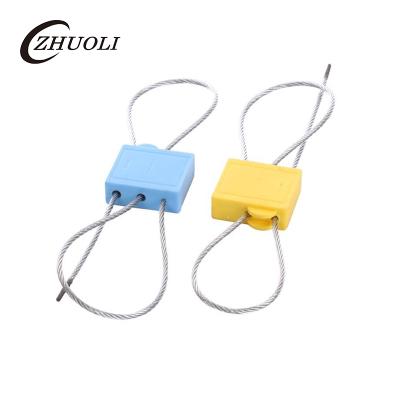
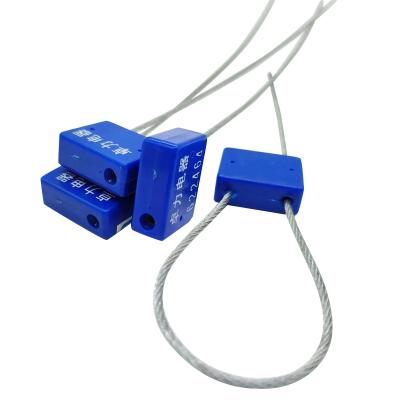
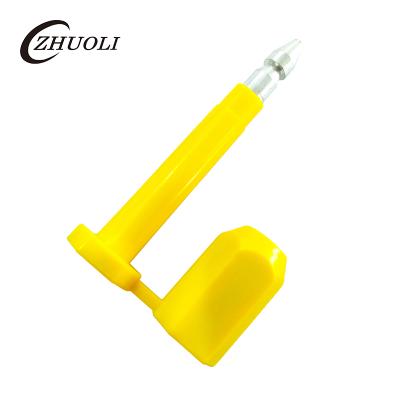
Steel Wire Seals Certification Explained: ISO 17712 as the "Security Passport" for International Freight
As global logistics security requirements continue to tighten, steel wire seals—critical anti-tamper devices used in cargo transport—are drawing increasing attention to their certification requirements. The core certification for steel wire seals in the international market is ISO 17712, widely regarded as the key benchmark for seal security performance.
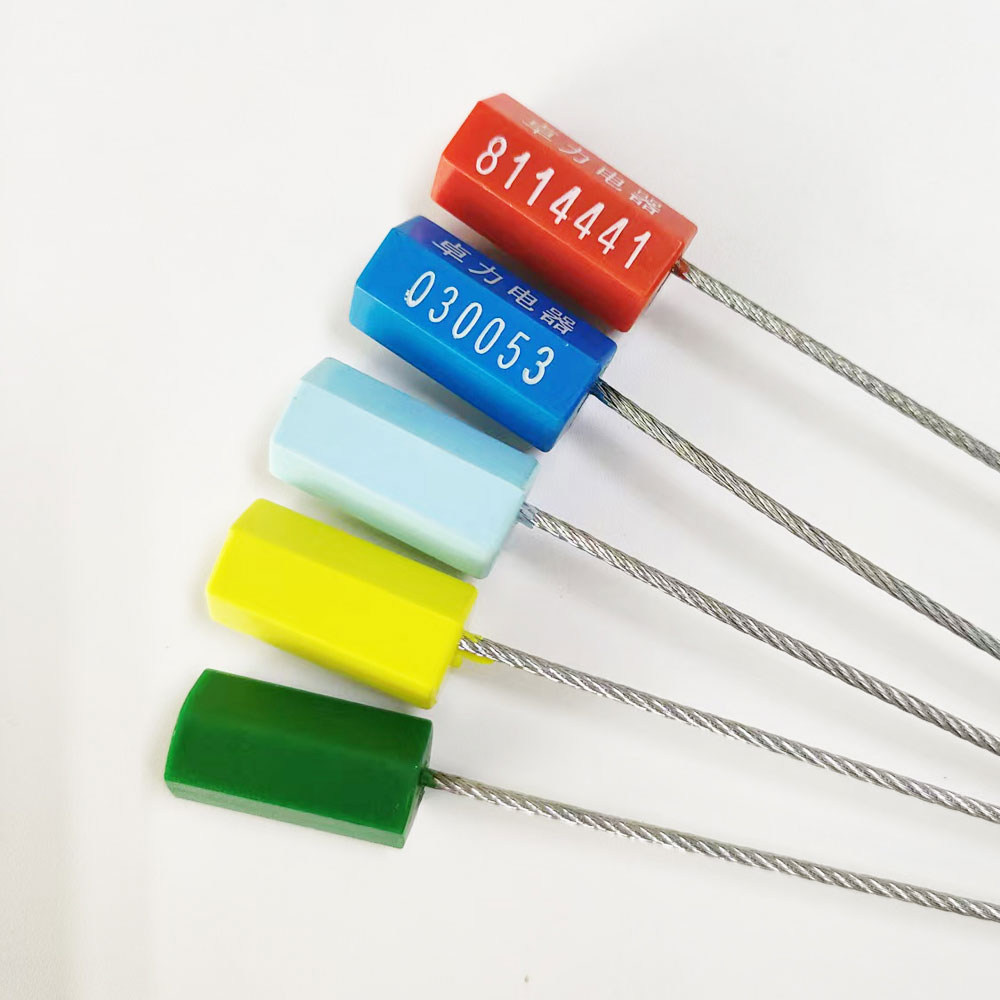
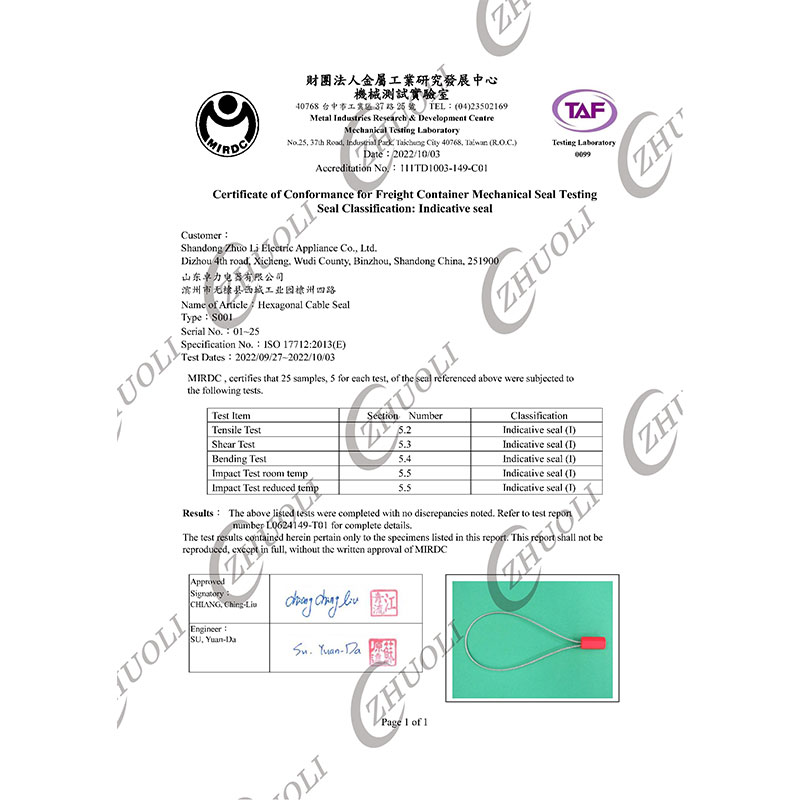
ISO 17712: A Three-Tier Security Framework
ISO 17712:2013 is the global standard defining requirements for the security, durability, and tamper-evidence of container seals. The specification remains current with no major changes and classifies seals into three categories based on protection level and resistance to physical attack:
* "I" Grade (Indicative Seals): Provide basic tamper-evidence indication, suitable for general logistics sealing or low-risk domestic shipments.
* "H" Grade (High-Security Seals): Offer the highest resistance to physical attack—typically metal bolt seals or reinforced cable seals with a minimum diameter of 18 mm. These seals must be verified by an independent laboratory accredited to ISO/IEC 17025 and marked with the letter "H" for identification.
* "S" Grade (Security Seals): Offer moderate resistance to tensile force, bending, shearing, and impact, requiring specialized tools to open—suitable for low-risk area shipments.
Most manufacturers now indicate that their high-security seals or steel wire seals meet the ISO 17712 standard, or specifically note "H" grade certification.
Mandatory Requirements: The Compliance Baseline for the U.S., EU, and Carriers
ISO 17712 "H" grade seals are not merely a recommended standard—they are a mandatory requirement for international freight to the United States, the European Union, and high-risk regions. Non-compliant or missing seals can result in cargo detention, extended inspections, significant delays, or regulatory penalties.
The U.S. Customs and Border Protection (CBP) C-TPAT compliance program explicitly mandates the use of H-grade seals on international routes. CBP requires that seal numbers be electronically printed on the bill of lading or other transport documents to prevent tampering by replacing seals and altering corresponding documents to match new seal numbers. C-TPAT participating carriers that fail to adopt acceptable seal handling practices may face suspension or removal from the program.
In the maritime sector, CBP has required since October 15, 2008, that all loaded containers arriving in the United States by sea must use seals compliant with ISO/PAS 17712. This requirement applies to all shipments destined for the U.S., whether the U.S. is the final destination or a transit point. Details including seal numbers must be transmitted to CBP via the Automated Manifest System at least 24 hours before vessel departure.
Recently, shipping line Ocean Network Express (ONE) further reinforced this requirement. The company announced a global network-wide mandatory high-security container seal requirement, stipulating that all containers transported by or under the supervision of ONE must be equipped with high-security seals meeting or exceeding ISO 17712:2013 standards. ONE explicitly stated that customers bear responsibility for cargo shortages, damage, or customs fines resulting from the use of non-compliant seals.
Multiple Certifications Coexist: Exporters Must Match Requirements by Market
Beyond ISO 17712, steel wire seals may involve several other certifications:
* C-TPAT Compliance: A U.S. Customs anti-terrorism certification. Many ISO 17712-compliant steel wire seals also meet this standard, a common requirement for exports to the United States.
* ISO 9001: A quality management system certification reflecting a factory's production process control level, not directly addressing product security performance.
* Environmental/Material Certifications: Such as UL, CE, SGS, or RoHS, primarily addressing the environmental and safety characteristics of seal raw materials (such as plastic components).
* Customs-Specific Approvals: Some countries have dedicated approvals. For example, certain products have obtained recognition from the UK's HM Revenue & Customs (HMRC). Under UK customs transit procedures, authorized consignors must enter seal numbers and personal seal identifiers into the electronic transit system.
Notably, China's Taiwan region has also adopted ISO 17712 as its CNS 17712 national standard. Under relevant regulations, high-security mechanical freight container seals used on ocean-going containers are limited to the bolt seal and cable seal types listed in CNS 17712 and must be clearly marked or stamped with "H" on the body to identify them as high-security seals.
Market Continues to Grow: Smart Seals Emerge as New Growth Driver
The global steel wire seal market is in a phase of steady expansion. Industry report data shows the global container seal market was valued at approximately US$2.5 billion in 2024** and is projected to grow to **US$3.8 billion by 2033, representing a compound annual growth rate (CAGR) of approximately 5.5%. Another research firm's data indicates the global container seal market was approximately US$289 million in 2025 and is expected to reach US$383 million by 2032, with a CAGR of approximately 4.2%.
Cross-border e-commerce growth, deepening regional economic cooperation such as RCEP, and the expansion of "Belt and Road" trade corridors continue to drive container traffic increases, thereby boosting seal demand. Accelerating infrastructure construction—including ports and railways—in emerging economies is also creating substantial market space for container seals.
In the Chinese market, the security seal lock industry is undergoing an upgrade from "single physical seal identification" to integrated "sensing-communication-platform" smart security solutions. According to data from the China Federation of Logistics & Purchasing and Zhiyan Consulting, China's security seal lock market reached RMB 2.86 billion in 2023 and is expected to exceed RMB 4.5 billion by 2027, maintaining a CAGR of approximately 11.5%. Smart seals with chip-level encryption capabilities, low-power wide-area network access, and deep integration with warehouse management systems have become a new growth driver, with this product category growing at 41% in 2023.
Purchasing Recommendations: Match Grades to Application Scenarios
Industry experts recommend that if steel wire seals are intended for container or cross-border high-value cargo transport, buyers should require suppliers to provide ISO 17712 "H" grade test reports, ensuring products have been verified by independent laboratories accredited to ISO/IEC 17025. If used only for internal enterprise anti-tamper or general identification purposes, "I" grade steel wire seals typically suffice. Additionally, for shipments to the United States, ensure seal numbers can be electronically recorded and transmitted to the manifest system to meet CBP compliance requirements.