From ABS to PC: Material Breakthroughs and Inspection Dilemmas for Meter Seals Under Thermal Stress
A tiny plastic seal is emerging as one of the most overlooked weak points in outdoor meter tamper-proof management. As seasons shift and extreme weather becomes more frequent, plastic twist-lock seals inside outdoor meter boxes for power grids and gas utilities are increasingly loosening, cracking, or even falling off under thermal stress. From material selection to inspection and maintenance, a quiet "offensive and defensive battle" over thermal stress is unfolding.
Thermal Stress: The Invisible Driver of Seal Failure
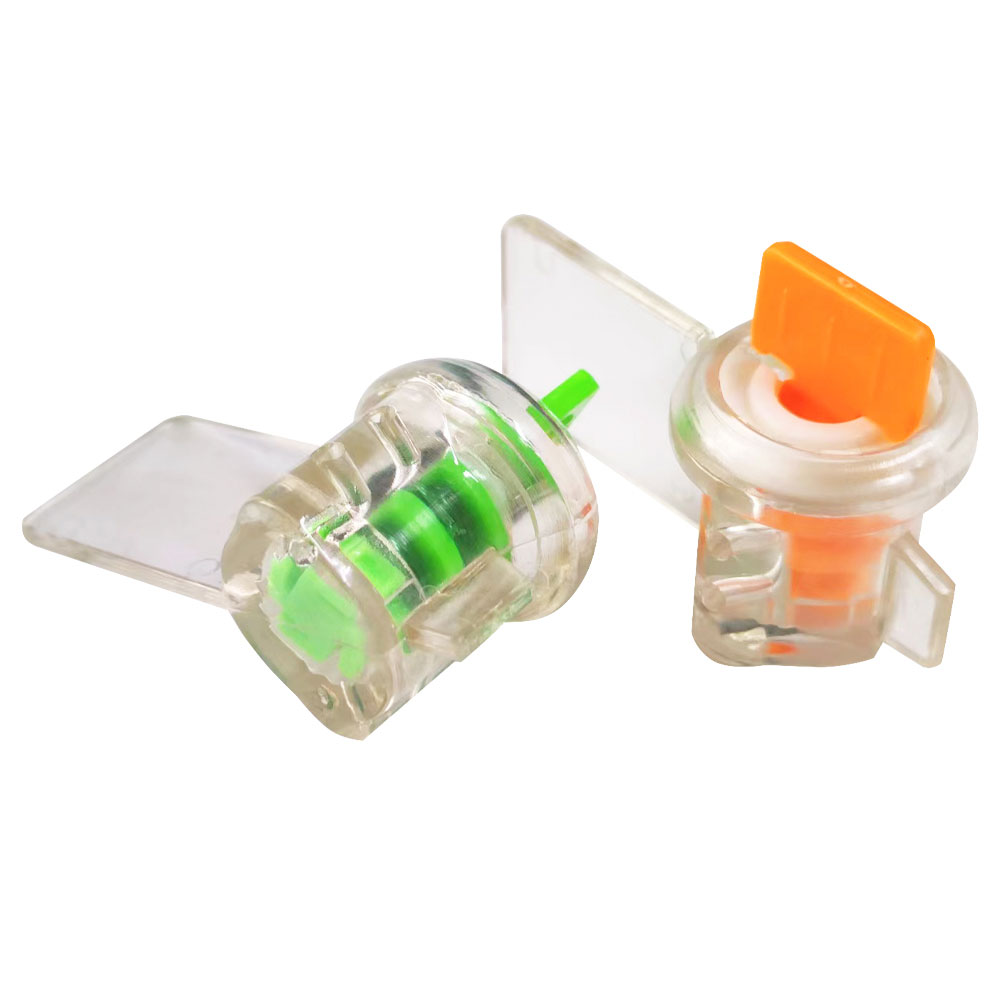
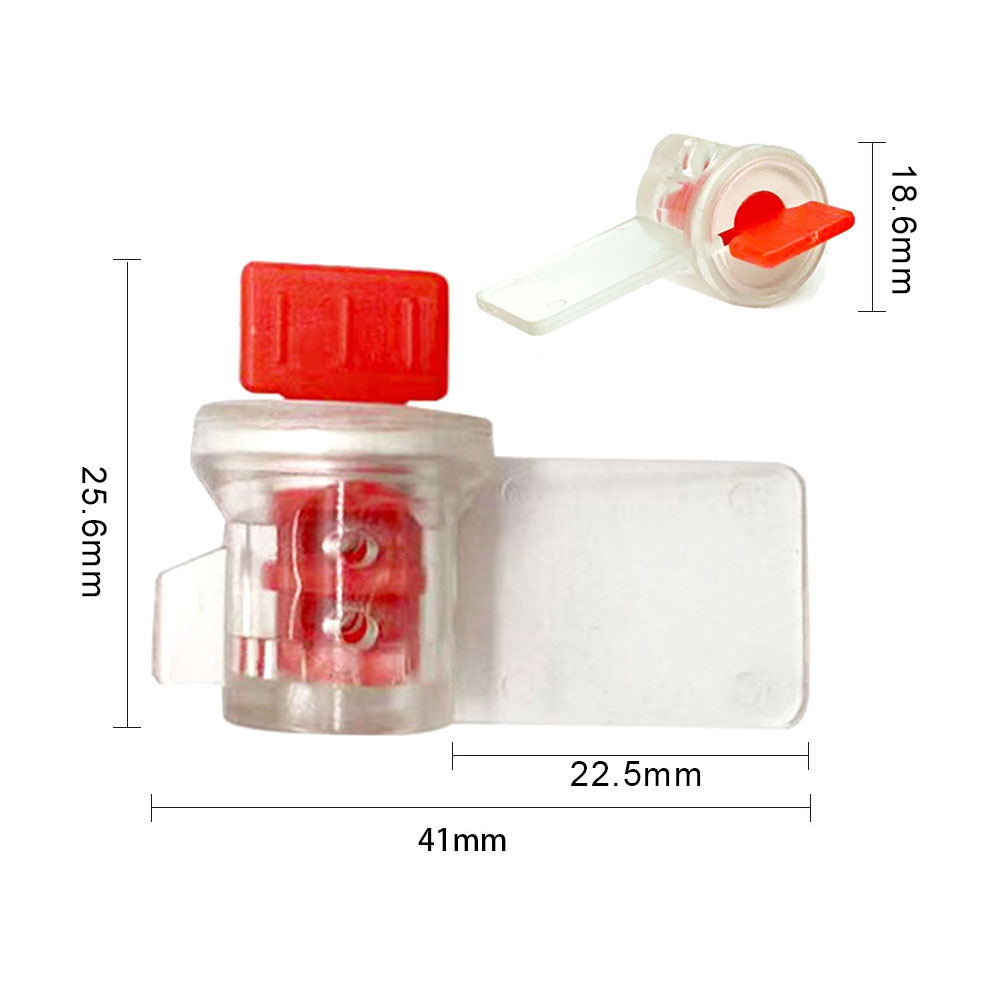
Most plastic meter seals currently in use feature a transparent plastic shell paired with an internal metal wire, typically made of ABS+PC or a PC shell with an ABS core. These seals rely on a tight interference fit between the plastic components and the steel wire to lock securely—and temperature changes are the key variable that disrupts this fit.
In high-temperature environments, when seals are exposed for extended periods to meter boxes or gas meters under direct summer sunlight, temperatures can approach the softening point of ABS/PC materials. The transparent shell gradually softens, and its restraining force on the internal metal locking core drops sharply. Once the shell deforms, the core can easily shift under the pulling force of the steel wire, leading to reduced locking force or even detachment. A more hidden risk comes from thermal expansion mismatch—plastic shells typically expand far more than the internal stainless steel wire. Under high temperatures, what was originally a tiny interference fit can become a gap. This is precisely why some seals become "loose" after hot weather and can be pulled open by hand. Additionally, the plastic core is subjected to continuous compressive stress from the steel wire. Under prolonged high temperatures, stress relaxation occurs, and even after temperatures return to normal, the plastic cannot rebound to its original dimensions—the seal permanently loses its tamper-proof capability.
Low-temperature environments are equally problematic. In northern China's outdoor winter conditions, plastics such as ABS and PC gradually enter a glassy state. When temperatures fall below their glass transition temperature (ABS ranges roughly between -20°C and -40°C), the material becomes very brittle. Under external forces such as wind vibration or human pulling, the transparent shell or internal locking core can easily crack or fracture directly. Meanwhile, at low temperatures, the plastic shell contracts more than the stainless steel wire, potentially creating tiny loose gaps between the wire and the locking core, reducing sealing tightness.
Material Breakthrough: Temperature Resistance Upgrade from ABS to PC
Facing this dual assault from thermal stress, material selection has become the first line of defense for seal breakthroughs.
Industry technicians told reporters that ordinary ABS material, while low-cost and easy to process, has a relatively limited temperature range, with low-temperature embrittlement risk being particularly prominent. In contrast, polycarbonate (PC) offers a wider temperature range and maintains good toughness at low temperatures, with impact resistance significantly superior to ordinary ABS. Currently, the combination of a PC shell with an ABS core has become the mainstream choice for many seal manufacturers, performing well in impact resistance and weather resistance. Additionally, nylon (PA) material is also being adopted by some high-end seal products due to its excellent low-temperature resistance and wear resistance.
However, material upgrades are not a universal cure. Differences in thermal expansion coefficients between materials still exist, and structural compensation in design is equally critical. Some technicians suggest adding elastic deformation space to the seal core so that it can maintain compression force on the steel wire during temperature fluctuations, thereby delaying sealing failure caused by stress relaxation.
Inspection Dilemma: Management Challenges Under Temperature Fluctuations
Beyond material breakthroughs, inspection and maintenance represent another line of defense that must be held.
Reporters learned during interviews that most outdoor meter seals still rely on manual periodic inspections. For applications with drastic temperature changes, industry experts recommend shortening inspection cycles, regularly checking seal locking status, and promptly identifying and replacing seals showing signs of loosening or cracking. However, the real dilemma is this: seals are numerous and widely distributed, making comprehensive inspections time-consuming and labor-intensive; some seals are installed in relatively concealed locations such as meter boxes and gas meters, making it difficult for inspectors to examine them one by one; and sealing failures caused by thermal stress are often hidden—a seal that looks intact may have already loosened internally, making visual judgment alone insufficient.
"A seal may be small, but it relates to the effectiveness of meter tamper-proof management," an industry insider noted. While upgrading materials and optimizing inspections, the industry should also explore smarter seal condition monitoring methods, such as introducing temperature-sensing labels or one-time tamper-evident structures, making failures caused by thermal stress easier to identify and trace. Only by addressing materials, design, and inspection together can the industry truly overcome the temperature challenge.