Plastic-Steel Padlocks: Technical Specifications and Application Management — From Mechanical Locks to Composite Management Terminals
Industry Positioning: Specialized Locks for Power Meter Box Management
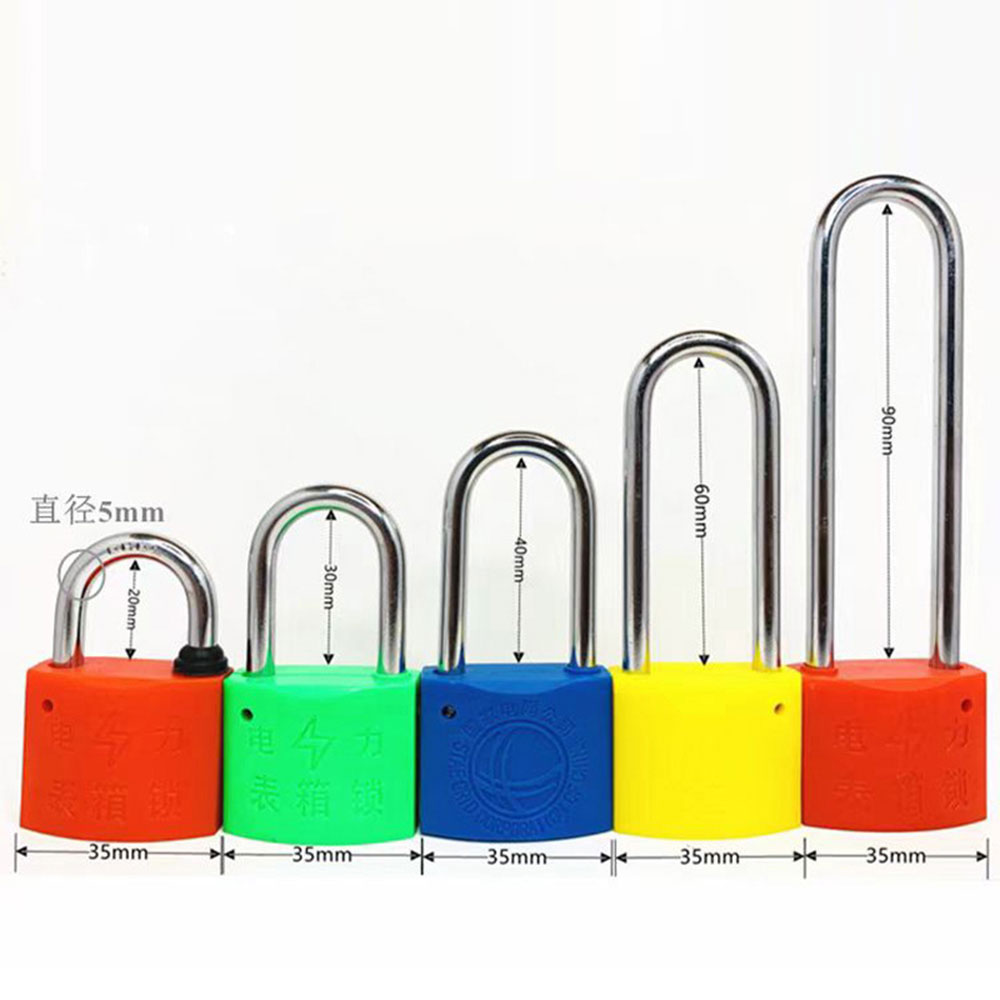
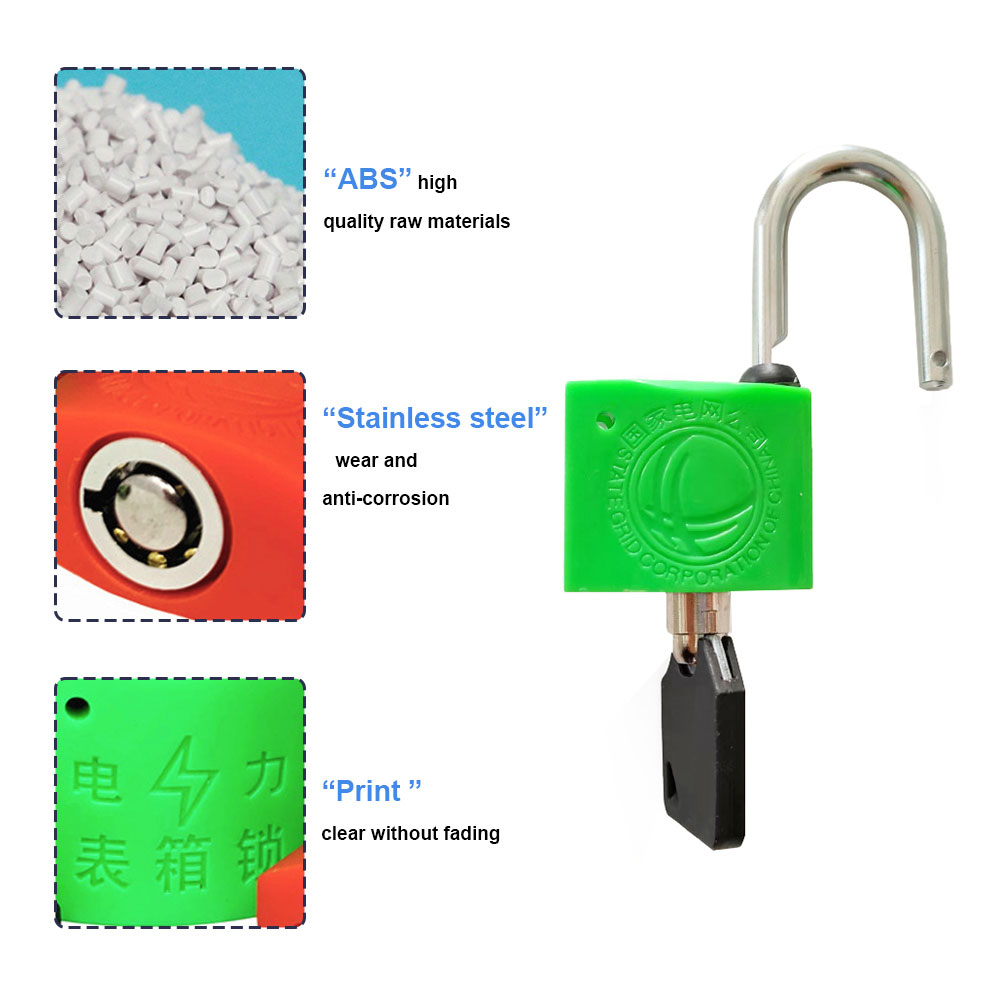
Plastic-steel padlocks are a functional lock category designed specifically for power meter box management scenarios. In the low-voltage distribution sector, assembled combination meter boxes and combination distribution cabinets have long relied on independent door locking mechanisms, lacking mature correlated locking solutions. The core requirements of the power system for meter box locks include: anti-theft protection, restriction of unauthorized personnel operation, and standardized unlocking authorization management. Plastic-steel padlocks were developed precisely to meet these needs and have a broad application base in electricity metering boxes, distribution cabinets, and other power facilities.
Material System: Comprehensive Performance Advantages of ABS Engineering Plastics
The lock body of plastic-steel padlocks is manufactured from ABS engineering plastics, offering comprehensive properties including insulation, UV resistance, flame retardancy, lightweight construction, and weather resistance. Lock body colors cover a range of specifications including red, blue, green, white, and yellow, with customization available on demand. In terms of mechanical performance, these locks achieve an outdoor service life of over three years and an indoor service life of over five years. The lock body surface typically features laser engraving to print State Grid Corporation of China (SGCC) logos or user organization identifiers. This process creates permanent markings on plastic substrates, combining identity recognition with anti-counterfeiting functions. According to relevant patent technology, laser etching can form unique identifiers on lock surfaces that are synchronized with tracking documents, reducing record error risks.
Lock Cylinder Technology: Mechanical Principles and Safety Parameters of the Plum Blossom Lock Cylinder
The core technical component of plastic-steel padlocks is the plum blossom lock cylinder, also known as a tubular lock cylinder or cylindrical lock cylinder. Its technical parameters are summarized below:
| Item | Content |
|---|---|
| Cylinder Name | Plum blossom lock cylinder (also known as tubular lock cylinder or cylindrical lock cylinder) |
| Cylinder Material | Engineering plastics or zinc alloy |
| Pin Material | Pure copper |
| Protection Performance | Waterproof, rust-proof, anti-technical opening |
| Mechanical Operating Cycles | Over 30,000 cycles |
| Working Principle | The lock cylinder surface features multiple radial holes that remain concentrically aligned with the lock body holes. Under normal conditions, the upper pins in the lock body or the lower pins in the cylinder are in a staggered position, preventing cylinder rotation. When the key is inserted, the tooth spacing corresponds one-to-one with the pin holes, and the tooth depth matches the lower pin length, causing the contact surfaces of the upper and lower pins to precisely align with the contact surface between the cylinder and lock body. The cylinder can then rotate freely to achieve unlocking. |
| Key Variations | Up to tens of thousands |
| Mutual Opening Rate Standard | Controlled by grade according to small padlock industry standards; the highest grade requires a mutual opening rate not exceeding 0.345% |
| Anti-theft Optimization Technology | Changing the cross-sectional shape of the key inner hole and cylinder core rod from circular to polygonal structure, effectively reducing keyhole clearance, enhancing anti-technical opening capability, and improving unlocking smoothness |
Management Functions: Master Key Mode and Authorization System
The core value of plastic-steel padlocks in power meter box management lies in the master key management mode. This mode allows one key to open multiple locks of the same model, enables flexible configuration of multiple keys corresponding to a single lock, and supports hierarchical sub-master management lock structures. This function significantly simplifies key management processes for multiple departments and users in power, telecommunications, gas, and water supply sectors.
At the authorization control level, traditional plastic-steel padlocks rely on physical key distribution and retrieval for permission management. To address management pain points of traditional locks — including inability to authorize remotely, inability to confirm operator identity, and inability to record unlocking permissions and timestamps — the industry has developed intelligent padlock management systems as a technical upgrade solution. Intelligent systems adopt a technical approach combining RFID tags with identity recognition units, dynamically granting unlocking passwords through servers, and enabling functions such as unlocking log uploads, hierarchical permission management, and unlocked status monitoring.
Technology Evolution: Mechatronic Integration and Digital Integration
From the perspective of technology evolution trends, the plastic-steel padlock sector is undergoing upgrades in two directions: first, mechatronic transformation of lock cylinder structures, adding electronic lock cylinders on the basis of retaining mechanical lock cylinders, supporting multiple information acquisition modules such as fingerprint, Bluetooth, and NFC to achieve multi-mode unlocking; second, digital integration of management platforms, unifying lock unlocking records, location information, and operator identities into a big data management system to support refined management needs at the distribution transformer area level.
On the manufacturing side, environmental compliance pressure in the padlock industry is also rising. Some manufacturers have begun replacing plastic blister packaging with recyclable cardboard packaging, reducing plastic dependency in the supply chain through material substitution to adapt to packaging regulations such as extended producer responsibility frameworks.