Meter Seals: The Frontline of Tamper Protection in Saudi Arabia's Smart Grid Upgrade
From Lead Seals to Wire Seals: Technology Driving Security Upgrades
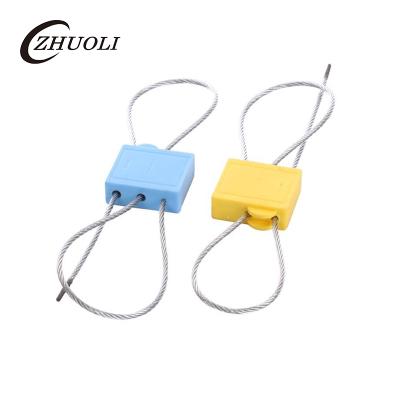
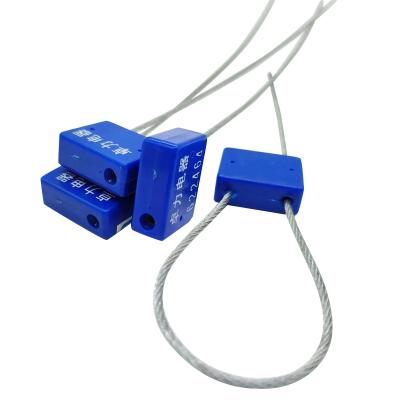
Traditional lead seals contain heavy metals that pose cumulative health risks to field workers and can contaminate soil and groundwater when discarded. They are gradually being replaced by environmentally friendly materials such as aluminum alloy, tin alloy, and high-strength polycarbonate. Today's mainstream wire seals use a multi-strand braided steel wire design. Compared to single-strand solid wire, the braided structure creates a microscopic mechanical interlock with the seal body after crimping, effectively preventing the wire from being lubricated and pulled out—significantly enhancing tamper resistance.
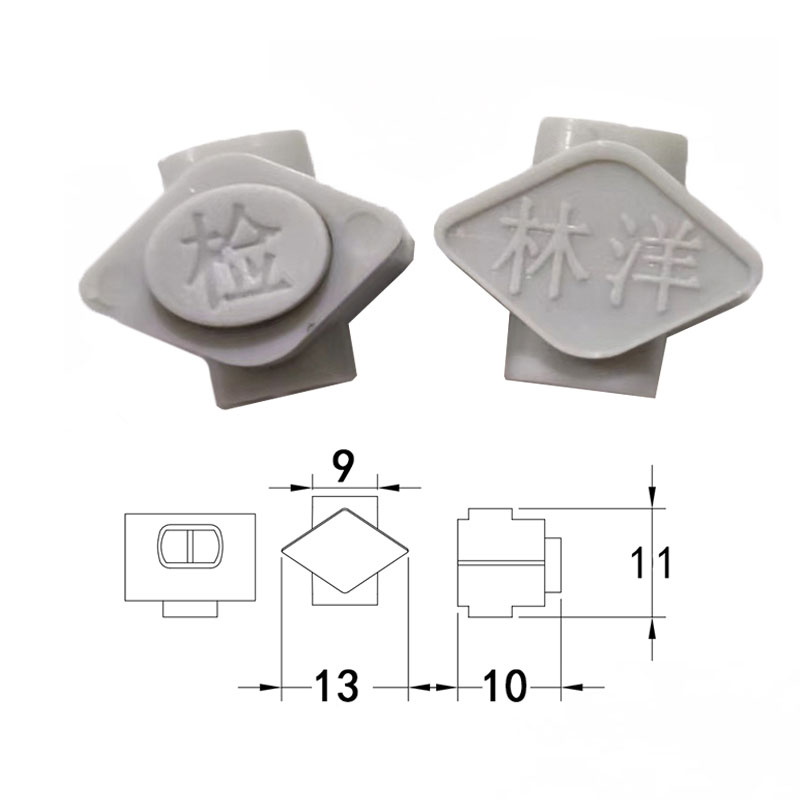
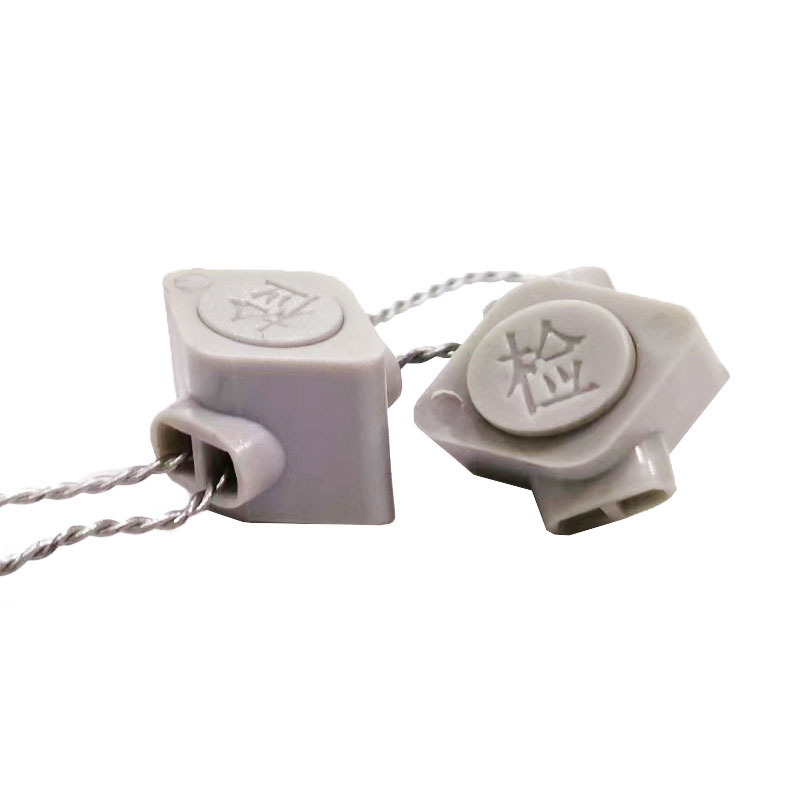
Based on operation method, wire seals fall into two main categories: crimp seals, which require a dedicated crimping tool and permanently emboss company logos or technician codes onto the seal body through mechanical stamping, making replacement virtually impossible; and self-locking seals, which rely on an internal one-way locking mechanism for faster installation. This rhombus-shaped ABS wire seal belongs to the latter category, with its compact dimensions and gray housing design suitable for a wide range of metering equipment.
Saudi Market: Rising Demand for Seals in the Smart Grid Era
Saudi Arabia's smart meter market is experiencing rapid growth. The Saudi Electricity Company (SEC) enforces strict full-lifecycle management of metering equipment, with technical specifications explicitly requiring tamper detection and fraud prevention functions, including element bypass detection, magnetic interference protection (detection threshold of 200mT±60mT), and immediate upload of event records to ensure the integrity and immutability of metering data. These specifications set clear functional thresholds for seal products—they must effectively prevent unauthorized opening and leave traceable evidence when tampering occurs.
On the enforcement side, Saudi electricity regulators have approved new amendments to electricity law violations, with meter tampering fines ranging from SAR 5,000 to SAR 100,000, depending on breaker capacity: SAR 5,000 for 100 amps and below, and up to SAR 100,000 for over 400 amps. Violations by non-account holders or non-beneficiaries automatically trigger a SAR 50,000 fine. Such stringent penalties make SEC-compliant tamper-proof seals a rigid requirement for protecting metering revenue.
In harsh high-temperature and dust-laden environments, seal durability is equally tested. Outdoor meter boxes in Saudi Arabia can reach internal temperatures exceeding 70°C due to direct sunlight, requiring seal materials with excellent UV resistance and high-temperature performance. Meter seals specially designed for the Saudi market must optimize material selection for local climate conditions to ensure long-term service without aging or cracking.
Smart Seals: The Future Direction
Beyond traditional mechanical seals, electronic seals are emerging as a new trend in metering security. Electronic seals can enable remote reading and opening records via RFID or QR codes, integrating with smart regulatory platforms for automatic anomaly alerts and data traceability. As SEC continues advancing its Advanced Metering Infrastructure (AMI), system-level integration of smart seals with smart meters will become a key direction for future metering security.
For utilities in Saudi Arabia and across the Middle East, choosing seal products that meet local climate standards and carry complete tamper-proof certifications is essential for safeguarding metering revenue and grid security.