ISO 17712 Certified Wire Seals for Container: What You Must Know
Product Definition
ISO 17712 certified wire seals for containers are high - security seals designed to safeguard the integrity of containerized cargo during transit. They meet international standards for container security.
Structure and Material Composition
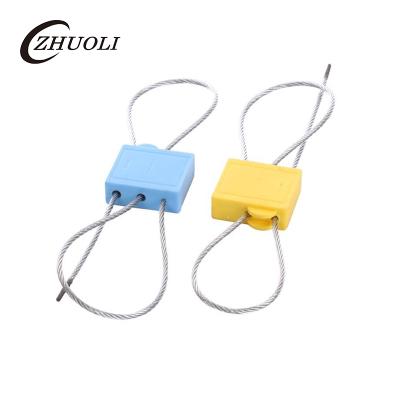
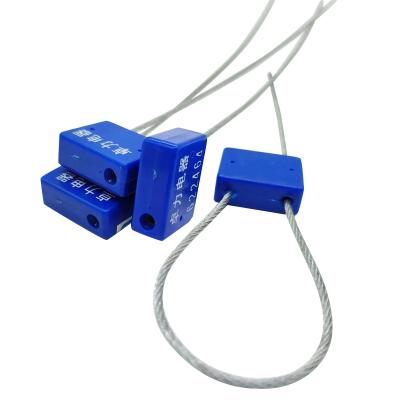
Wire: Typically made of high - strength steel or stainless steel wire. The wire is thick enough to resist cutting or tampering, usually around 1.5-5mm in diameter.
Locking Mechanism: Consists of a precision - engineered locking device. This is often made of hardened metal, such as alloy steel, which can securely hold the wire in place once it is inserted.
Seal Body: Usually constructed from durable plastic or metal. Plastic seal bodies are lightweight yet impact -
resistant, while metal ones offer enhanced protection against physical attacks.
Manufacturing Process
Engineering Steps
1.Wire Preparation: The wire is first selected based on its strength and corrosion - resistance properties. It is then cut to the appropriate length, usually between 20 - 50 cm depending on the application.
2.Locking Mechanism Assembly: The components of the locking mechanism are manufactured separately and then assembled. This involves precision machining of parts to ensure a tight fit.
3.Seal Body Molding/Forming: If it's a plastic seal body, it is injection - molded. For metal seal bodies, processes like stamping or casting are used.
4.Final Assembly: The wire is inserted through the seal body and the locking mechanism, and a pre - test is carried out to ensure proper functionality.
Equipment
*Wire Cutting Machines: High - precision cutting machines are used to cut the wire to the required length.
*Machining Tools: For the locking mechanism, CNC (Computer Numerical Control) machining tools are used to create the intricate parts.
*Injection Molding Machines: In the case of plastic seal bodies, these machines are used to mold the plastic into the desired shape.
Pain Points and Solutions
1. Tampering Concerns
Solution: The unique design of the ISO 17712 certified wire seals makes it difficult to tamper with. Any attempt at tampering will leave visible signs, such as a broken wire or a damaged seal body.
2. Environmental Resistance
Solution: The materials used in these seals, such as stainless steel wire and UV - resistant plastic or metal seal bodies, can withstand harsh environmental conditions.
3. Compatibility with Different Containers
Solution: These wire seals are designed to be versatile and can be used with most standard - sized containers, regardless of the type of locking mechanism on the container.
4. Verification of Authenticity
Solution: Each seal can be tracked using a unique identification number. This number can be used to verify the authenticity of the seal through a dedicated database.
Risk Warning and Avoidance suggestions
Risk of Counterfeiting
Suggestion: Only purchase from reliable suppliers who can provide proof of ISO 17712 certification. Check for unique identifiers and anti - counterfeiting features on the seals.
Risk of Inadequate Security
Suggestion: Ensure that the seals are applied correctly and that the wire is tightly wrapped around the container's locking mechanism. Use multiple seals for added security in high - risk situations.
Procurement Selection Guide
1.Determine Security Requirements: Assess the level of security needed for your cargo. If it's high - value or sensitive goods, opt for higher - strength wire seals.
2.Check Certification: Ensure that the supplier can provide valid ISO 17712 certification for the wire seals.
3.Evaluate Material Quality: Examine the wire and seal body materials. Stainless steel wire offers better corrosion resistance, while metal seal bodies are more robust.
4.Consider Tamper - Evidence Features: Look for seals that have clear signs of tampering, such as a broken wire or a damaged seal body when tampered with.
5.Check for Unique Identification: Each seal should have a unique identification number for tracking and verification purposes.
6.Evaluate Supplier Reputation: Choose a supplier with a good reputation in the industry. Read customer reviews and testimonials.
FAQ
What is the lifespan of an ISO 17712 certified wire seal?
It can last for several years under normal environmental conditions, but it is a one - time use seal.
Can these seals be reused?
No, they are designed for one - time use to ensure security.
How do I verify the authenticity of a seal?
Use the unique identification number on the seal to check in the official database provided by the manufacturer or certification body.