Bulk Wire Seals for Container: Sourcing Tips for Global Importers
In the intricate web of global logistics, the integrity of a shipping container is paramount. It is the first and last line of defense for cargo valued at millions of dollars. At the heart of this security apparatus lies a seemingly simple yet critical component: the bulk wire seals for container. For importers worldwide, the procurement of these seals is not a mere administrative task but a fundamental risk management strategy. Sourcing high-quality, reliable, and compliant high-security container seals in bulk quantities demands a strategic approach to mitigate risks of pilferage, tampering, and subsequent financial losses. This article serves as a comprehensive guide for global importers, detailing essential considerations for navigating the supply market, verifying quality, and ensuring that every seal on every container meets the rigorous demands of international trade.
Understanding Container Wire Seals: More Than Just a Lock
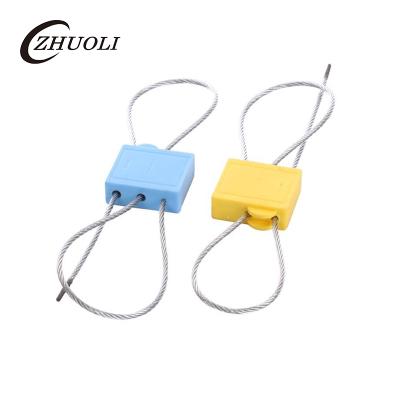
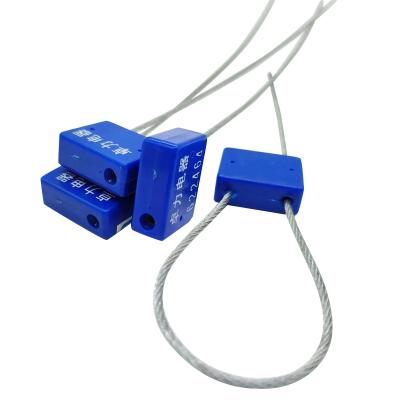
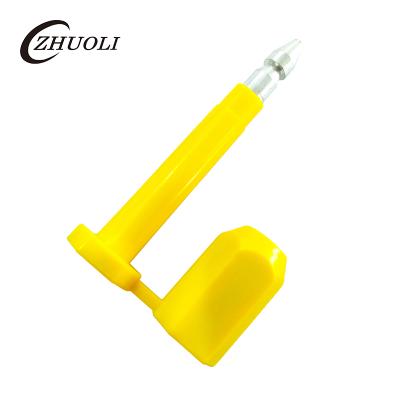
A container wire seal, or bolt seal, is a one-time-use locking mechanism that, when applied, provides tangible evidence of any unauthorized access. Its primary function is to secure the container's doors from the point of loading to the final destination.
Key Components and Security Features:
Cable/Bolt: A high-tensile steel wire or rod that is threaded through the container door handles.
Locking Body: The mechanism that permanently grips the cable or bolt once inserted. It cannot be reopened without causing visible, irreversible damage.
Unique Identification Number: Each seal is stamped or laser-engraved with a unique serial number, which is recorded on shipping documents. This is crucial for tracking and reconciling container security seals throughout the supply chain.
Custom Markings: Many importers opt for seals with their company logo, name, or barcodes to enhance brand visibility and prevent substitution.
Tamper-Evident Features: Modern high-security container seals may include anti-twist mechanisms, protective coverings over the lock body, or magnetic anti-fraud features to resist sophisticated tampering attempts.
The decision to purchase bulk wire seals for container is driven by economies of scale, consistency in security protocols, and streamlined logistics management. However, this bulk purchasing model places a greater emphasis on the initial sourcing decision, as a single batch of substandard seals can compromise an entire shipment series.
Critical Sourcing Criteria for Bulk Container Seals
When entering the market for bulk wire seals for container, importers must look beyond price and evaluate suppliers against a multi-faceted set of criteria.
1. Compliance with International Standards:
The most critical benchmark is adherence to ISO 17712:2013. This international standard classifies seals into three categories:
'I' for Indicative: Provides basic evidence of tampering but offers low security.
'S' for Security: Offers a higher level of security and tamper-resistance.
'H' for High-Security: Designed to offer the highest level of resistance to deliberate tampering, forcing attacks, and covert entry.
For high-value cargo, ISO 17712 certified high security seals are non-negotiable. Reputable suppliers will have independent certification to prove their products meet these rigorous standards.
2. Material Quality and Durability:
The physical construction of the seal determines its effectiveness.
Cable Strength: The steel cable should have a high minimum tensile strength (e.g., exceeding 2450N) and be resistant to cutting, sawing, and pulling attacks.
Lock Body Construction: The housing should be made of robust, weather-resistant steel or alloy. The internal locking mechanism must be precision-engineered to prevent accidental release or manipulation.
Corrosion Resistance: Seals must withstand harsh marine environments, including salt spray, humidity, and UV exposure, without corroding or becoming brittle. A quality zinc plating or other anti-corrosion treatment is essential.
3. Supplier Reliability and Manufacturing Capability:
Sourcing bulk wire seals for container is a partnership. The supplier must demonstrate proven capability.
Production Capacity: Can they consistently fulfill large and recurring orders without compromising on lead times or quality?
Quality Control Systems: Do they have in-house testing labs and rigorous QC procedures for every production batch? Inquiries should be made about their process for ensuring quality in bulk seal shipments, including statistical sampling and traceability.
Reputation and Experience: A supplier with a long track record of serving international clients and the logistics industry is generally more reliable.
A Step-by-Step Guide to the Sourcing Process
A structured approach to sourcing minimizes risk and ensures a successful procurement outcome.
Step 1: Define Your Technical Specifications
Create a detailed specification sheet for your customized bulk container security seals. This should include:
Required ISO 17712 classification ('H' recommended).
Minimum tensile and shear strength values.
Desired material and plating type.
Specifications for the unique numbering sequence, font, and placement.
Requirements for custom markings, colors, or barcoding.
Step 2: Identify and Vet Potential Suppliers
Utilize international B2B platforms, industry directories, and trade associations to create a longlist of potential manufacturers. Shortlist suppliers based on:
Certifications (ISO 17712, ISO 9001).
Client testimonials and case studies.
Transparency regarding their manufacturing process.
Step 3: Request Samples and Conduct Due Diligence
Never place a bulk order without first evaluating product samples. Subject these samples to practical tests:
Tensile Test: Use a force gauge to verify the claimed breaking strength.
Tamper Test: Attempt to manipulate the lock with simple tools to check for resilience.
Visual Inspection: Check the clarity of the engraved numbers and the overall finish.
Step 4: Negotiate and Finalize the Contract
With a chosen supplier, negotiate terms that protect your interests. Key points include:
Pricing for bulk wire seals for container.
Payment terms (e.g., 30% deposit, 70% against copy of Bill of Lading).
Quality acceptance criteria and protocols for handling defective batches.
Delivery schedules and logistics responsibilities.
Quality Assurance: Avoiding Costly Pitfalls
The consequences of seal failure are severe, ranging from cargo theft to insurance claim denials. Therefore, implementing a robust quality assurance process is vital.
Implementing a Pre-Shipment Inspection Protocol:
For large bulk wire seals for container orders, hiring a third-party inspection company to conduct a Pre-Shipment Inspection (PSI) is a wise investment. Inspectors will:
Verify that the production batch matches your approved sample and specifications.Perform on-site destructive and non-destructive tests on a statistical sample of seals.Check packaging and marking to ensure they are suitable for international shipping.
Red Flags and Common Sourcing Mistakes:
Unrealistically Low Prices: If a quote is significantly lower than the market average, it often indicates inferior materials or non-compliance with standards.
Vague or Unverifiable Certifications: Suppliers who cannot provide valid, traceable ISO 17712 certification should be avoided.
Poor Communication: A supplier's responsiveness during the sales process is a strong indicator of their service level post-order.
Conclusion: Securing Your Supply Chain from the Start
The process of sourcing bulk wire seals for container is a strategic exercise that directly impacts the security and profitability of your international shipments. It transcends simple cost calculation, demanding a focus on quality, compliance, and supplier partnership. By understanding the technical specifications, adhering to a disciplined sourcing process, and insisting on independent verification, global importers can transform this routine procurement into a powerful tool for supply chain risk management. In an era where logistics integrity is synonymous with business resilience, investing in the right high-security container seals is not an expense—it is an indispensable insurance policy for your cargo and your company's reputation.