How to Choose the Right Printing Type for Your Security Seals

In the global logistics industry,
security seals are key devices for ensuring cargo safety, preventing tampering, and achieving traceability. The clarity and durability of their markings directly affect their effectiveness. To choose the right printing method, you need to consider the application scenario, environmental conditions, and long-term security needs. Currently, the mainstream and reliable methods in the industry are laser engraving, thermal transfer printing, and hot stamping (hot foil stamping). This guide briefly introduces the key selection points, core characteristics of the three methods, and applicable suggestions.
Key Considerations for Choosing a Printing Type
Before selecting a printing method, it is necessary to focus on evaluating three points, which directly determine the durability and practicality of the markings:
1. Application Scenario and Usage Method
It is necessary to clarify the application object of the seal (container, truck, meter box, etc.) and the frequency of operation. For scenarios with rough operation or high-frequency use, wear-resistant markings should be given priority.
2. Service Life
Short-term applications (such as one-time transportation) have lower requirements for durability, while long-term use (such as utility equipment seals) requires a permanent marking method.
3. Environmental Conditions
Outdoor use needs to resist UV radiation and temperature-humidity changes, so priority should be given to printing methods with strong weather resistance; indoor use can focus on barcode scannability or color contrast.
Core Comparison of the Three Mainstream Printing Methods
The following are the core advantages, limitations, and applicable scenarios of the three mainstream methods for quick selection:
Laser Engraving: First Choice for Durability
It etches the seal material with laser to form permanent and tamper-proof markings, making it the best choice for outdoor and high-wear scenarios.
Core Advantages: Strong weather resistance, tamper-proof, capable of printing complex markings (barcodes, QR codes), and no consumables required.
Limitations: Monochromatic markings, high initial investment in equipment, and requirements for materials.
Applicable Scenarios: Outdoor applications (containers,
metal cable seals), long-term use, and high-security tamper-proof needs.
Thermal Transfer Printing: First Choice for Barcode Adaptation
It transfers ink from the ribbon to the seal surface through heat, with high contrast and strong scannability of markings, suitable for indoor short-to-medium-term scenarios.
Core Advantages: Good barcode scanning effect, diverse colors, and low cost for small and medium batches.
Limitations: Poor outdoor durability, dependent on consumables, and not resistant to rough operation.
Applicable Scenarios: Indoor applications (warehouse, packaging seals), short-to-medium-term use, and scenarios requiring multi-color or barcode markings.
Hot Stamping: First Choice for Aesthetics and Special Material Adaptation
It transfers foil to the seal surface through hot pressing to form embossed markings, suitable for hard-to-mark materials and scenarios focusing on aesthetics.
Core Advantages: Professional appearance, suitable for hard-to-mark materials such as nylon, tamper-proof, and writable for manual annotation.
Limitations: Medium durability, high customization cost, and not suitable for printing barcodes.
Applicable Scenarios: Nylon cable ties,
plastic seals, indoor applications, brand logos, and scenarios requiring manual annotation.
Selection Suggestions for Common Security Seals
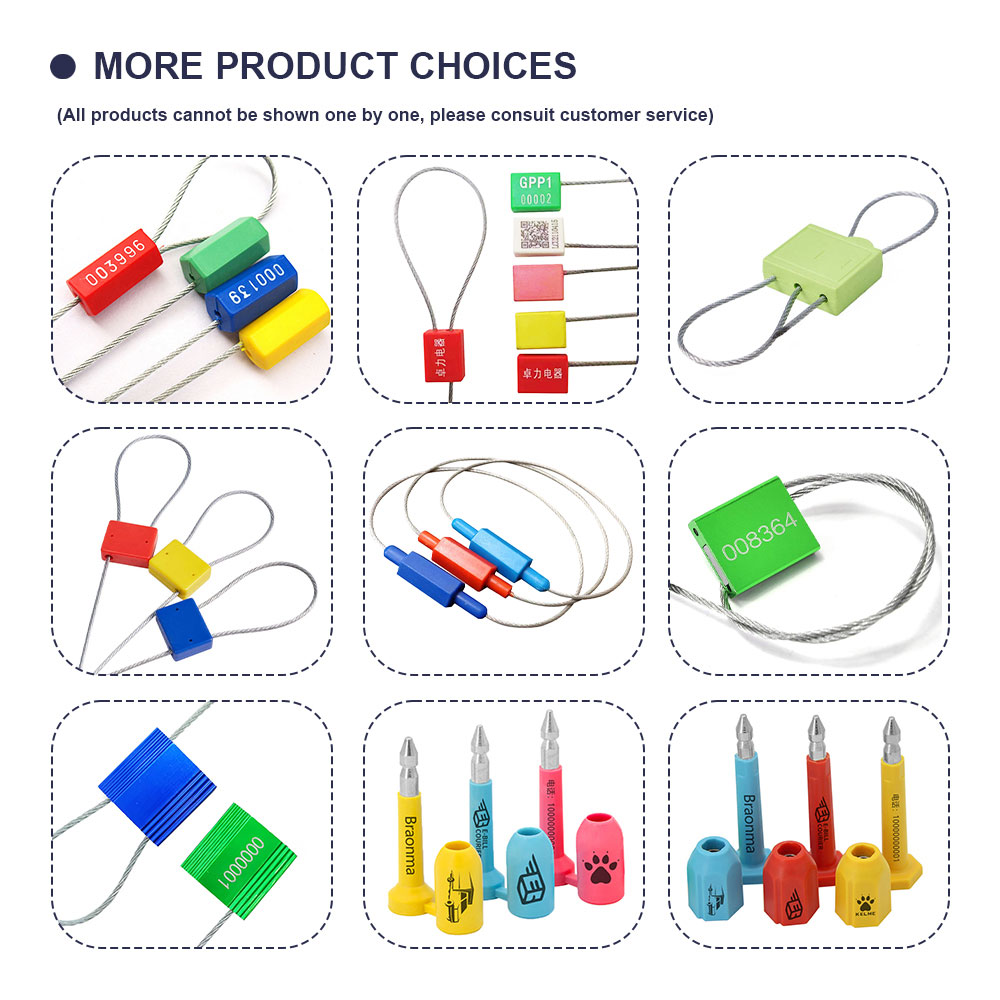
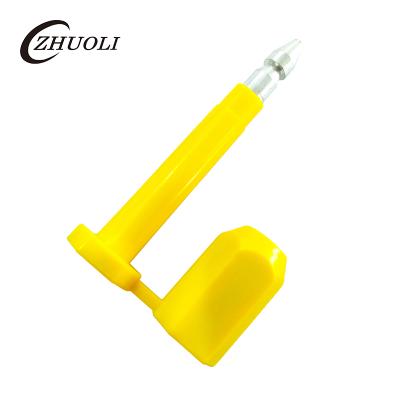
Bolt/Container Seals: Laser engraving is preferred, suitable for long-term outdoor use and traceability needs.
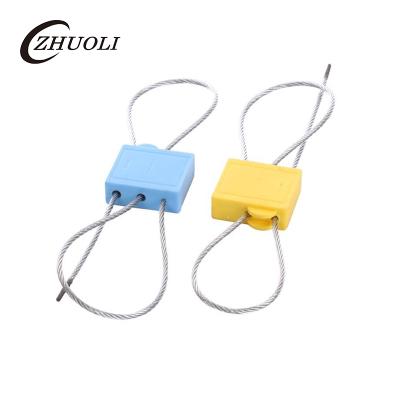
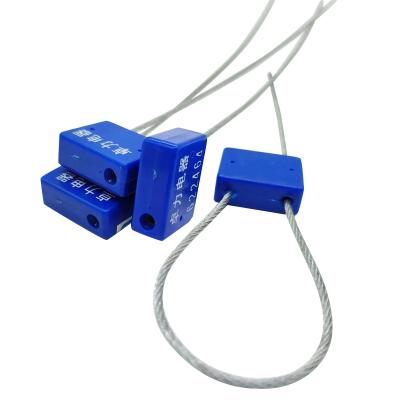
Cable/Metal Cable Seals: Choose laser engraving for outdoor use; thermal transfer printing is optional for indoor use requiring barcodes.
Plastic Seals (PP, ABS): Choose laser engraving for outdoor/high-security scenarios, hot stamping for brand logos, and thermal transfer printing for indoor barcodes.
Meter/Plastic Padlock Seals: Choose laser engraving for outdoor use; hot stamping is preferred for indoor use focusing on aesthetics; both can be customized with logos.
Nylon/Identification Cable Ties: Hot stamping is preferred, suitable for material characteristics and supporting manual annotation.
Final Selection Suggestions
Prioritize testing samples to ensure they are suitable for your own use environment;
Select according to priority of needs: choose laser engraving for durability and tamper-proof, thermal transfer printing for barcodes/colors, and hot stamping for aesthetics/special materials;
Consider long-term costs: laser engraving requires no consumables, while thermal transfer printing and hot stamping need continuous purchase of consumables;
Choose an experienced supplier to ensure marking quality and customization adaptability.
Choosing the right printing method can make security seals better play their protective and traceable roles, adapting to the use needs of different scenarios.