RFID-Based Smart Management of Fire Extinguishers: A New Approach to Fire Safety
Fire extinguishers are essential equipment in fire safety management. However, managing large numbers of extinguishers distributed across different locations using traditional paper-based records and manual inspections has become increasingly inefficient, error-prone, and outdated.
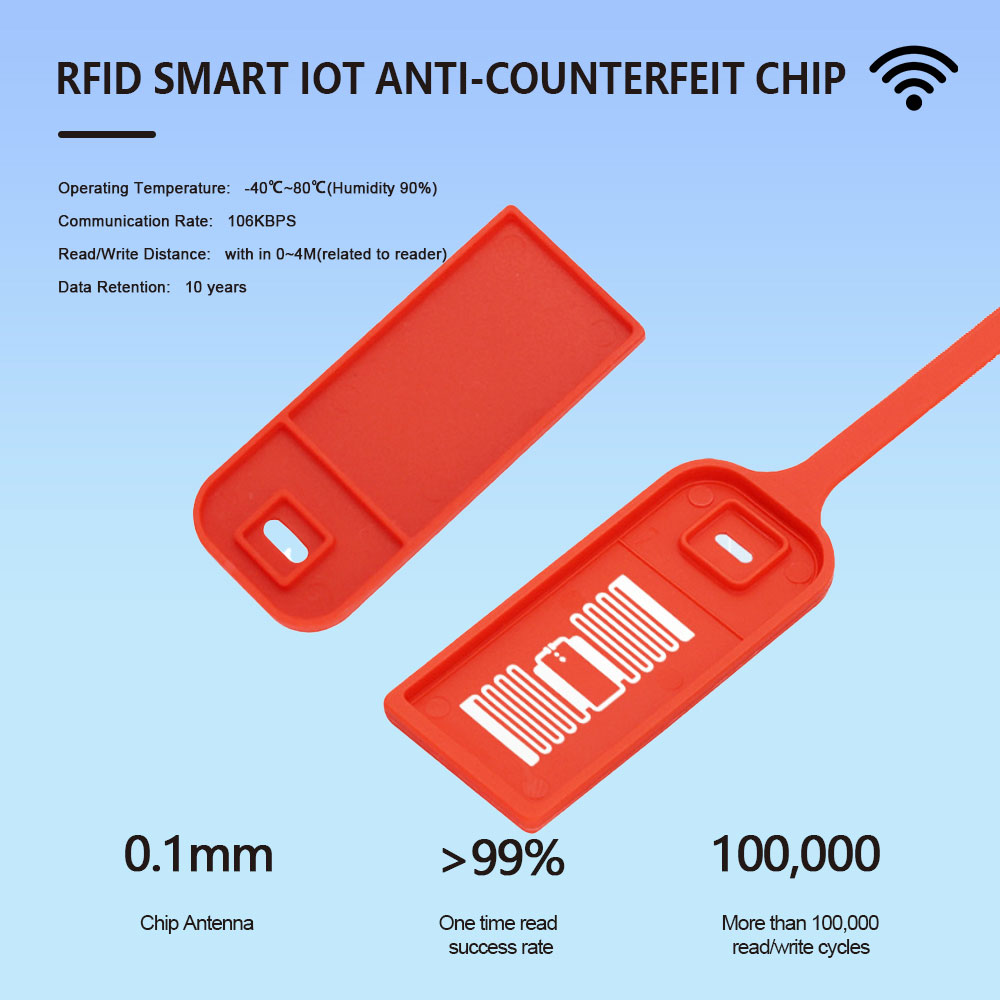
The introduction of RFID (Radio Frequency Identification) electronic label technology offers a modern, efficient, and reliable solution for fire extinguisher management.
1. Unique Identification for Full Lifecycle Traceability
At the core of each RFID electronic label is a chip that contains a globally unique digital code. This code is permanently programmed into the chip during manufacturing and cannot be altered. This allows every fire extinguisher to have its own "electronic identity."
By linking this unique code with information such as manufacturing date, manufacturer, maintenance records, and expiration date, managers can easily identify and track the status of each individual fire extinguisher.
2. Computerized Management – Eliminating Cumbersome Manual Records
Fire extinguishers are numerous, and traditional manual maintenance and inspection recording are not only labor-intensive but also prone to omissions and errors.
With a computerized management system based on electronic labels, fire safety authorities can:
Monitor in real time whether each extinguisher needs repair, has expired, or should be taken out of service
Oversee inspection activities remotely through the system
Effectively regulate the fire equipment market and prevent substandard products from being used
3. Digital Management Across the Entire Lifecycle
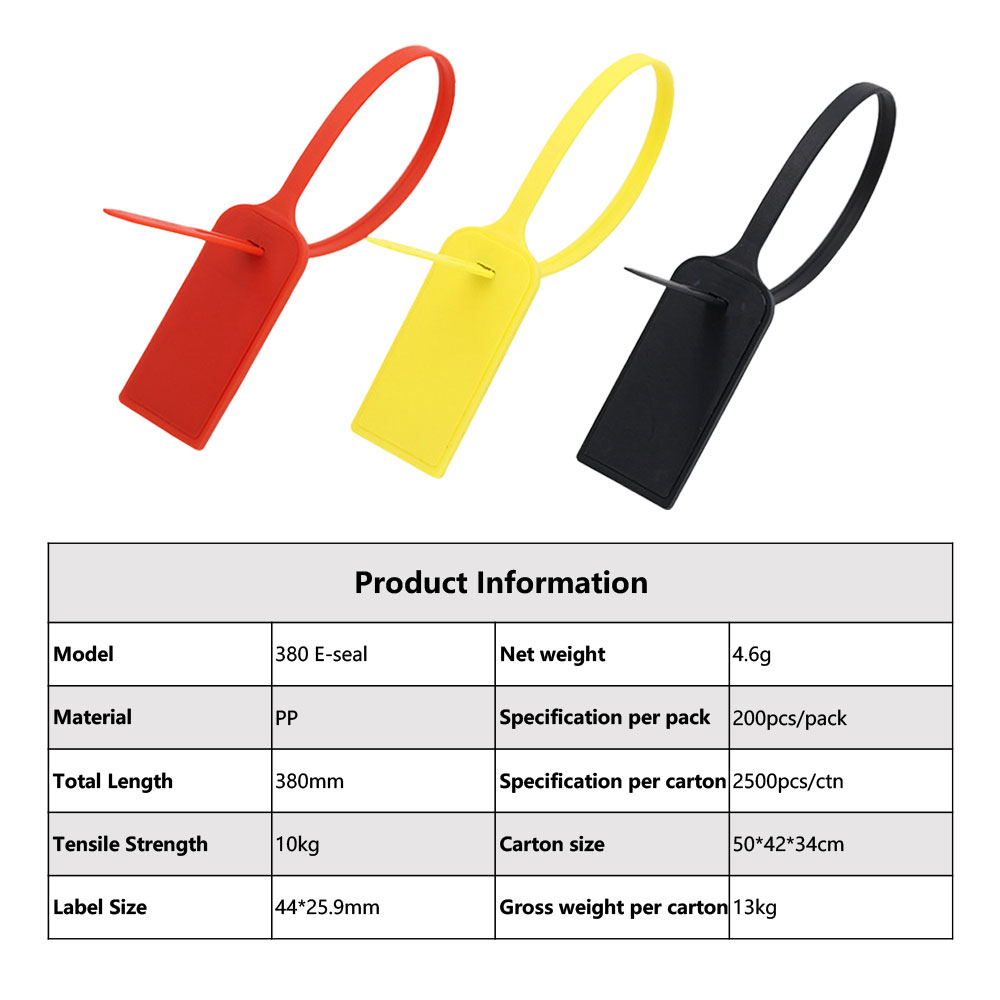
Once each fire extinguisher is sealed with an RFID electronic label, it receives a unique identification number. Throughout its entire lifecycle—from production and installation to periodic inspections, maintenance, and eventual retirement—all key information is recorded under this number.
This digital management approach makes the history of every extinguisher clearly traceable, and the entire process more transparent, accountable, and auditable.
4. Contactless Data Writing – Simple and Efficient Operation
During inspections or maintenance, technicians can use a handheld terminal to write relevant information directly to the RFID chip on the extinguisher without any physical contact.
This completely eliminates the tedious steps of manual paper recording and subsequent data entry, greatly improving on-site efficiency and avoiding human errors.
5. Building an IoT-Based Fire Equipment Monitoring System
The RFID-based fire extinguisher management system represents an important application of Internet of Things (IoT) technology in the field of fire safety. The adoption of this system can:
Significantly improve the level of detailed fire safety management for organizations
Enhance the quality and efficiency of supervision by public fire safety authorities
Provide strong technical support for社会化 (community-based) fire safety management
Strengthen a city's comprehensive capability in fire prevention and emergency response
Conclusion
RFID electronic labels transform fire extinguisher management from a traditional, manual, paper-based process into a smart, digitalized approach. By giving every extinguisher a unique digital identity, this technology makes inspections faster, records more reliable, and oversight more effective.
For any organization or city looking to improve its fire safety management, adopting an RFID-based smart fire equipment management system is a practical and forward-looking choice.