Aluminum Cable Seals: Meeting Global Customs Compliance Demands with ISO 17712 "H" Grade Certification
The logistics and supply chain industry is witnessing a significant shift toward high-strength aluminum cable seals, driven by the growing demand for tamper-evident security and full-process traceability in global freight transportation.
Recent market observations indicate that these mechanical seals, often described as "metal fingerprint locks" for cargo, are rapidly replacing traditional plastic variants due to their superior physical hardness and irreversible locking mechanisms. This trend is particularly evident in cross-border e-commerce warehousing, petrochemical logistics, and critical infrastructure protection.
Irreversible Physical Locking Mechanism
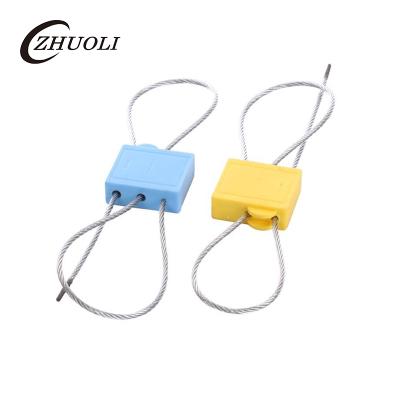
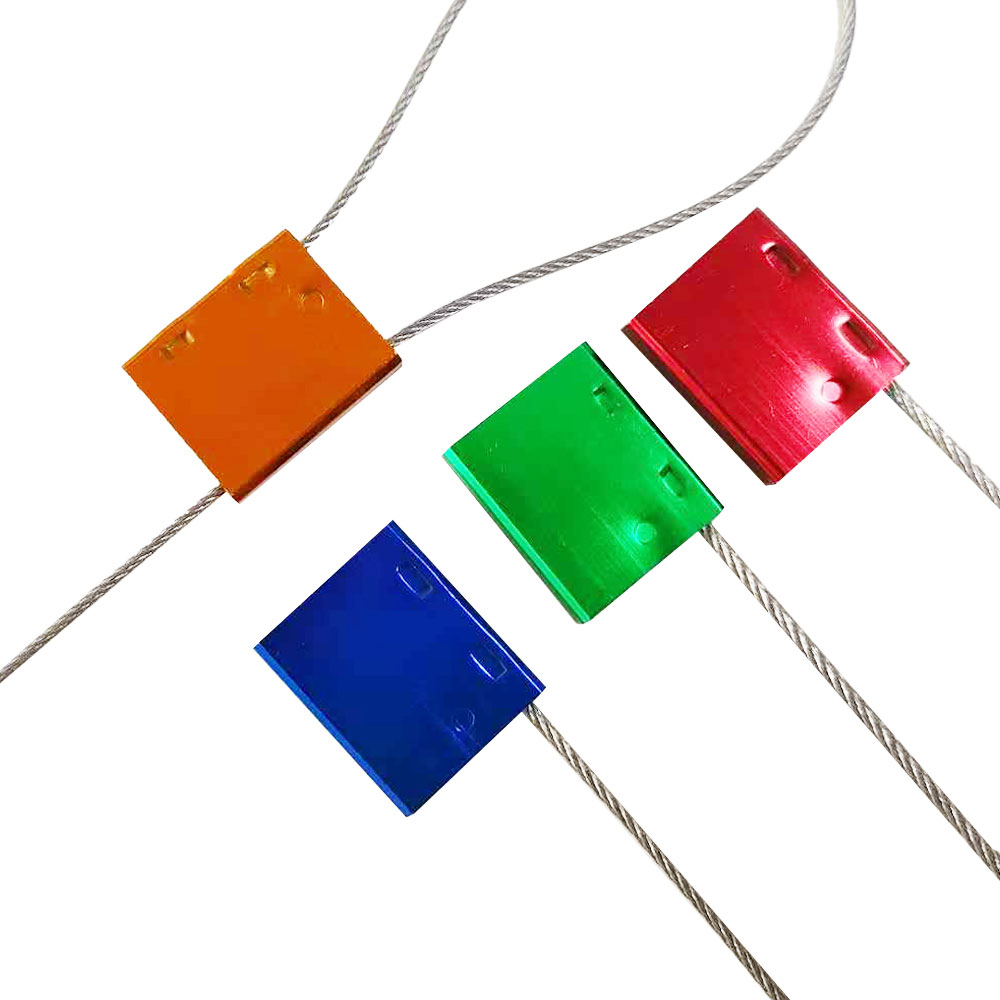
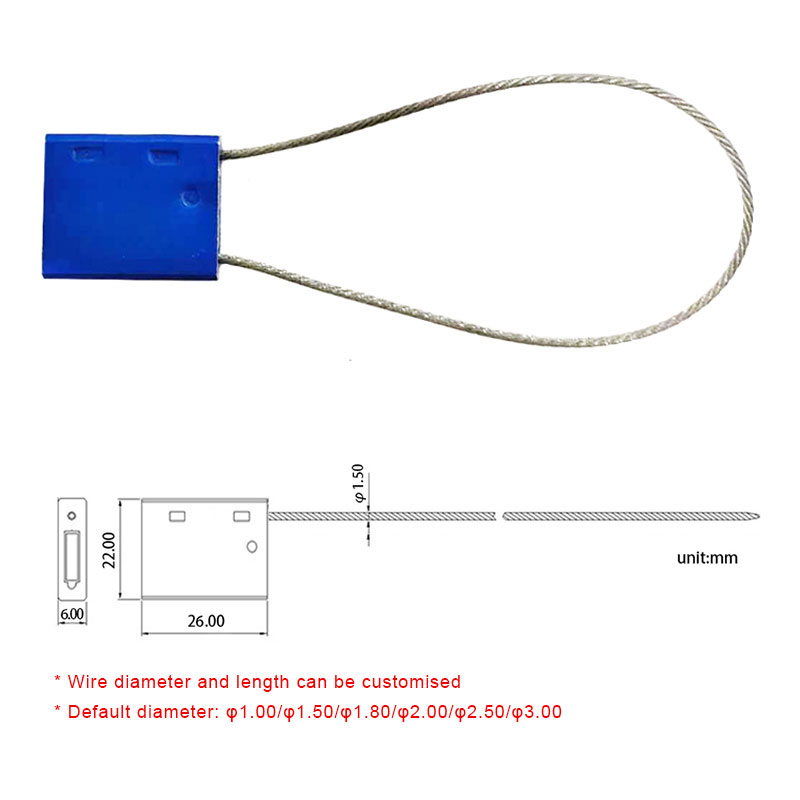
The core advantage of aluminum cable seals lies in their one-time locking design and destructive removal feature. Constructed with an aviation-grade aluminum lock body and high-tensile stainless steel wire rope, these seals are engineered to be tamper-proof. Once the cable is inserted into the lock chamber, internal components engage to form a secure, non-reversible closure. According to logistics professionals, any attempt to withdraw or cut the seal results in visible, irreversible damage to both the wire and the lock head, making undetected entry virtually impossible.
Superior Tensile Strength and Environmental Resilience
One of the primary selling points of these seals is their robust tensile performance. Depending on the model and cable diameter, tensile strengths vary to meet different safety levels—light-duty variants can withstand over 150 kilograms-force, standard models often exceed 300 kgf, and heavy-duty high-security versions are rated at over 500 kgf, with some products certified for pulling forces exceeding 3.5 kilonewtons.
Beyond strength, these aluminum seals exhibit remarkable weather resistance. They are formulated to withstand petrochemical corrosion, UV radiation, and extreme temperature fluctuations, ensuring reliable performance in harsh outdoor environments ranging from summer heat to winter freezes.
Full Traceability via Laser-Etched Identification
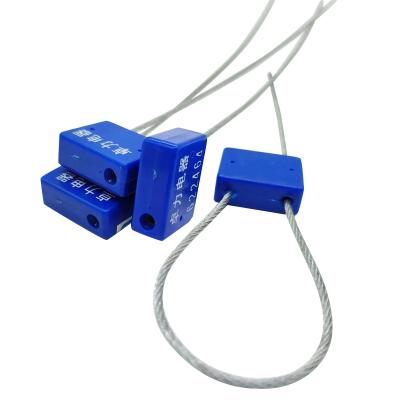
Traceability is another pillar of the aluminum cable seal's value proposition. Manufacturers utilize laser engraving technology to imprint unique serial numbers, barcodes, and corporate logos directly onto the lock body. This engraving remains legible under prolonged sun exposure and saline conditions.
The "one barcode, one seal" identity system enables seamless integration with digital logistics platforms, facilitating rapid customs inspections, supply chain auditing, and accountability tracking. In one cited instance, a cross-border logistics hub upgraded to ISO-compliant aluminum seals specifically to meet stringent customs traceability requirements.
Regulatory Compliance and International Standards
In international trade, aluminum cable seals must pass multiple certifications to gain market access. ISO 17712 stands as the most authoritative international standard for container mechanical seals. The standard classifies seals into three security levels: "I" (Industrial) , "S" (Security) , and "H" (High Security) . "H" grade seals must undergo a series of rigorous tests including tensile, impact, shear, bending, and thermal cycling tests. These high-security seals are specifically designed for international maritime containers and customs-supervised transportation, serving as a critical entry credential for global trade.
Additionally, the C-TPAT (Customs-Trade Partnership Against Terrorism) program requires seal products to meet ISO 17712 "H" grade standards to ensure supply chain security. Seals compliant with this standard help importers expedite customs clearance. In the European market, EAL certification establishes specific technical requirements for seal anti-tampering capabilities and anti-counterfeit marking. Different national customs authorities also have their own specific requirements—for instance, UK Customs (HMRC) and the Australian Border Force have established clear regulations that manufacturers must follow by providing corresponding certification documentation based on the target market.
Currently, major global ports and customs inspection authorities have generally listed seal certification documents as one of the mandatory materials for cargo clearance.
Expanding Application Scenarios
While traditionally used for containers and tanker trucks, the application of aluminum cable seals is expanding. They are now being deployed for securing electric meter boxes, laboratory reagent cabinets, fire extinguisher pins, and even as personal anti-theft devices for luggage. This expansion from industrial to consumer-protection scenarios highlights a broader market need for reliable, high-level physical security.