Meter Seals: From Physical Tamper-Proofing to Smart Sensing Evolution
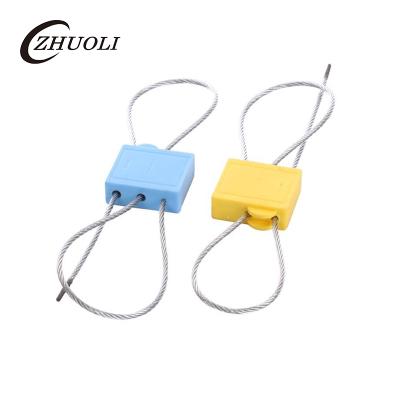
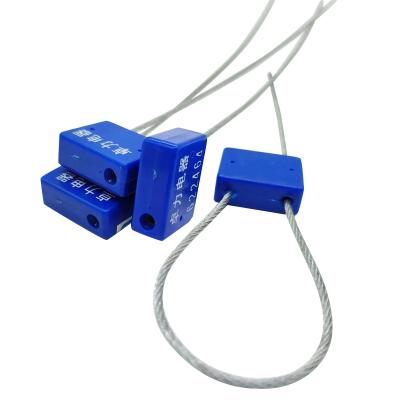
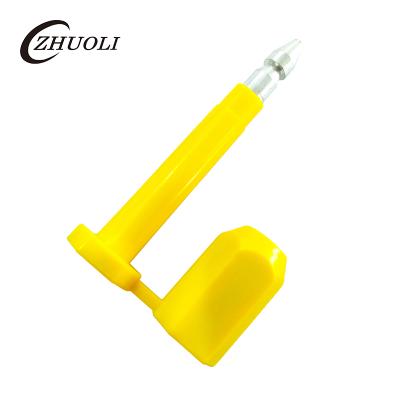
Meter seals—also known as utility meter seals, tamper-evident seals, or metering security seals—are specialized protective devices installed on electricity meters, gas meters, water meters, and other metering equipment. Their core function is to prevent unauthorized access and tampering, ensuring the accuracy and security of metering data.
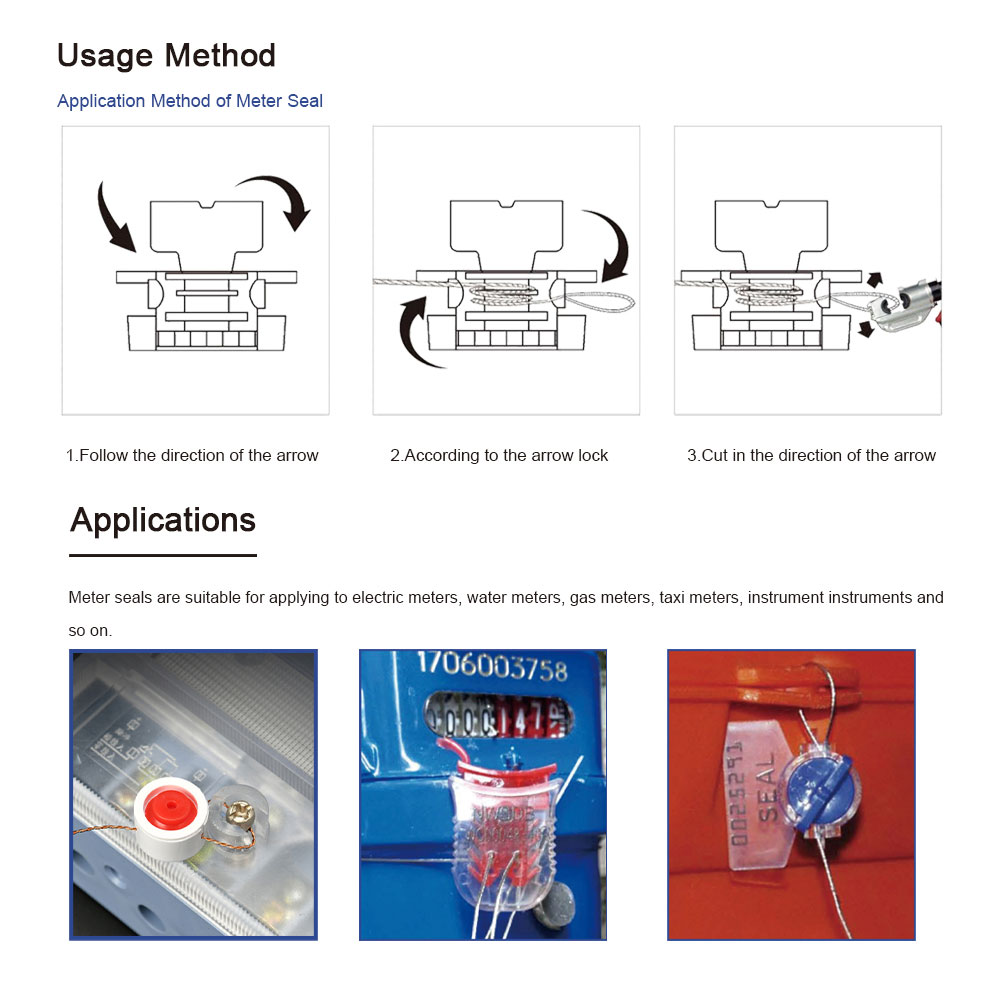
1. Product Function & Purpose: Physical Protection and Accountability
Meter seals are single-use tamper-evident products. Once installed, they become permanently associated with the metering device. Their essential functions include:
* Tamper Indication: An intact seal confirms that the device has not been opened. Any damage or missing seal indicates possible unauthorized access, triggering the need for verification procedures.
* Liability Determination: Seal integrity serves as key evidence for assigning maintenance responsibility. If a user or third party removes the seal without authorization, the associated device may lose warranty coverage—which is the product logic behind the industry-standard labeling "Seal Broken, Warranty Void" commonly found on meter seals.
* Lifecycle Traceability: Each seal typically features a unique identification number linked to a specific meter. This enables utilities and gas suppliers to establish complete documentation trails—from initial installation and periodic inspections to end-of-life replacement.
2. Technology Evolution: From Plastic Seals to Smart Electronic Seals
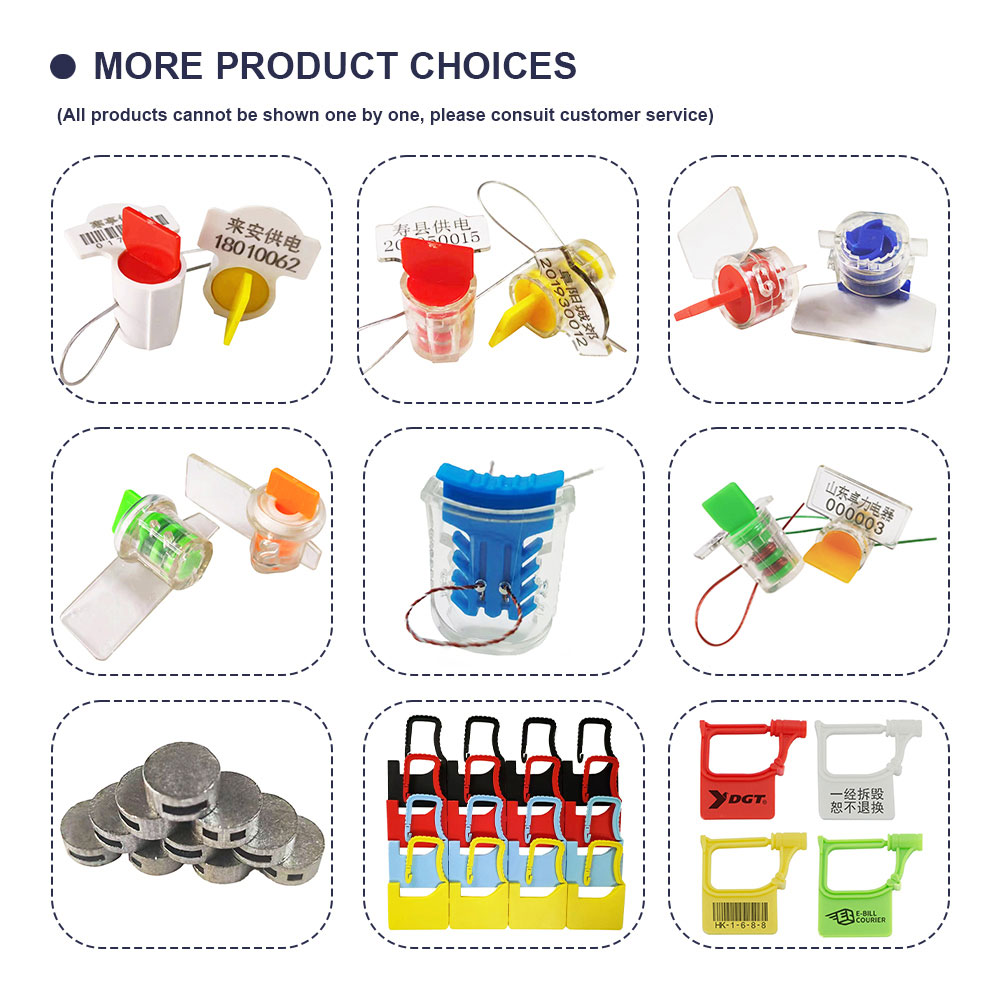
Traditional meter seals are primarily single-use plastic locks or lead seals that rely on physical structures for tamper protection. In recent years, the technology has been transitioning from "passive protection" to "active detection":
Traditional Plastic/Lead Seals offer the advantages of low cost and easy installation, and remain the mainstream choice. Their limitation: once broken or counterfeited, the violation cannot be detected without an on-site inspection, nor can the precise time and location of the tampering event be recorded.
Smart Electronic Seals represent an emerging product category that integrates electronic sensing and communication modules into the traditional seal. Typical technical features include:
* Tamper Detection: Built-in irreversible anti-tamper mechanisms that trigger an internal state change when the seal is forcibly broken.
* Event Logging: Storage of timestamps for sealing, unsealing, and abnormal tampering events, creating an auditable electronic trail.
* Remote Alerting: Some products integrate passive RF or wireless communication modules that enable real-time reporting of tampering events to management platforms.
* Anti-Counterfeiting & Traceability: Encrypted data storage and unique digital identities effectively prevent replacement with counterfeit seals.
This product category is primarily applied to grid metering equipment with higher security requirements, while also demonstrating expansion potential into water utilities, gas distribution, logistics, and other sectors.
3. Industry Outlook
Meter seals are evolving from simple physical security devices into intelligent endpoints capable of sensing, recording, and communicating. Key future directions for the product category include:
* Standardization: Product specifications, coding rules, and testing methodologies will become increasingly unified, forming comprehensive industry standards.
* Digital Management Integration: Seals will be accompanied by backend management software or cloud platform interfaces, enabling full lifecycle digital tracking—from installation and inspection through disposal.
* Cross-Industry Adoption: As sealing and sensing technologies mature, the application boundaries of meter seals will continue to expand beyond electricity into water, gas, logistics, industrial equipment, and beyond.