RFID-Enabled Cable Seals: A "Smart Lock" Solution for High-Value Asset Protection
As the Internet of Things (IoT) continues to integrate with traditional security products, RFID-enabled cable seals—combining high-strength physical protection with digital traceability—are gaining rapid adoption across logistics, power infrastructure, and industrial asset management.
Dual Protection: Physical Integrity Meets Digital Identity
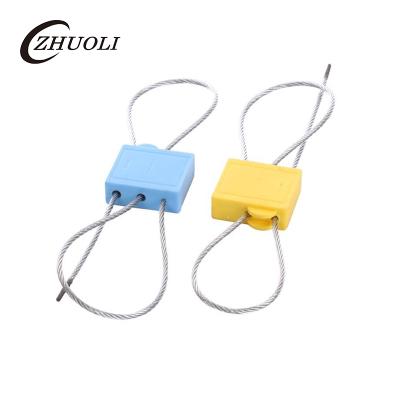
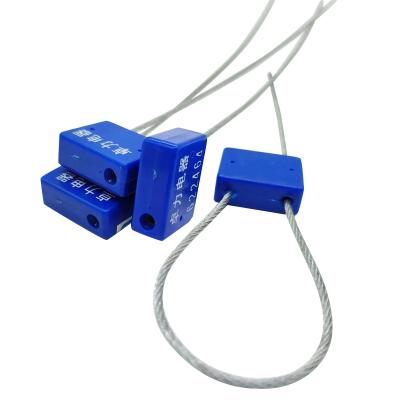
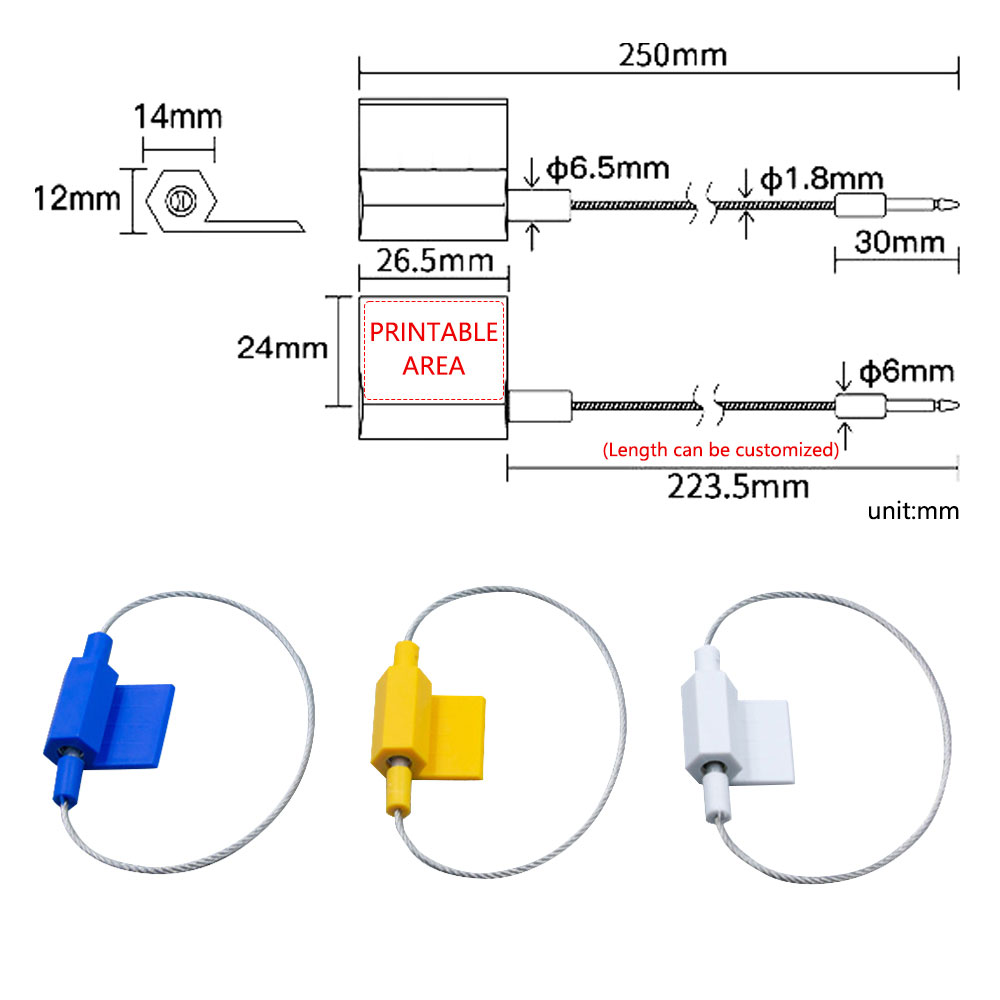
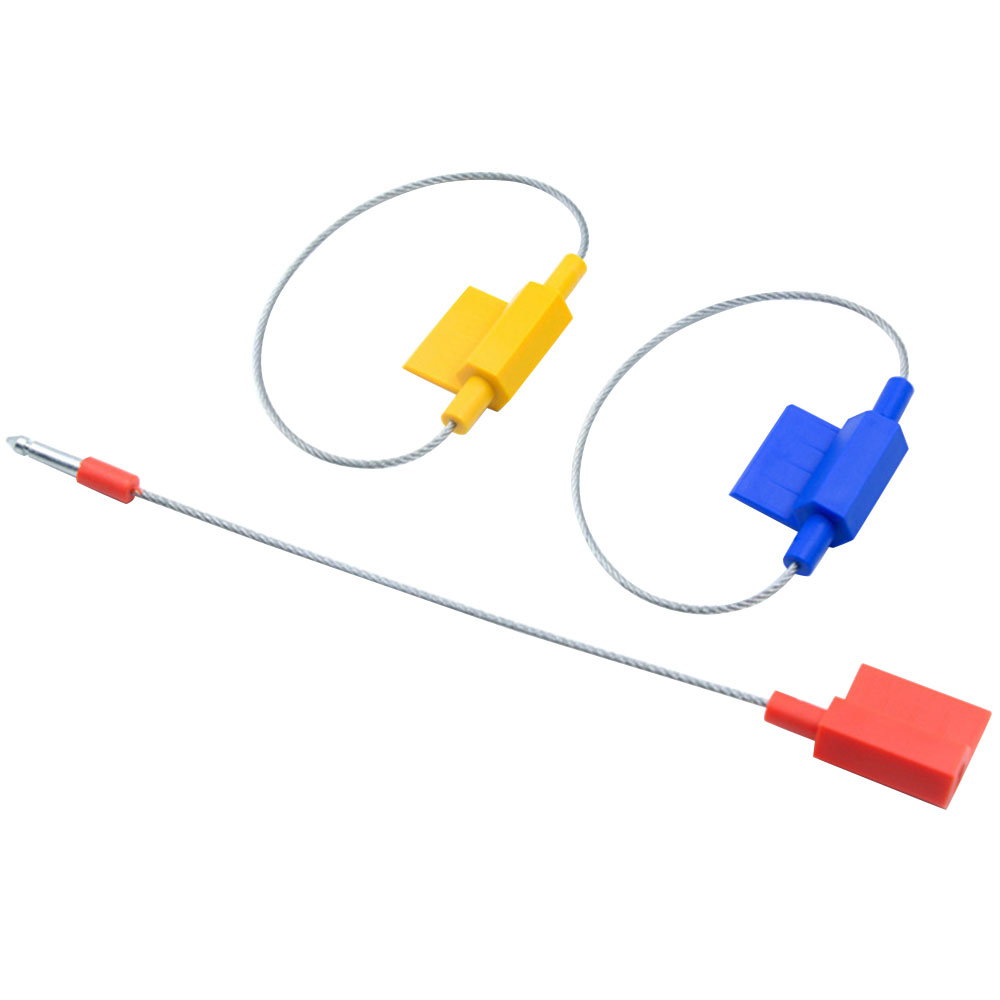
Traditional cable security seals rely solely on physical integrity for tamper evidence, requiring manual inspection of serial numbers—a process that is inefficient and error-prone. The new generation of RFID cable seals integrates high-tensile galvanized steel wire with an embedded RFID chip, creating a dual-layer protection system that combines mechanical locking with electronic traceability.
The product features an ABS engineering plastic casing that encapsulates both the steel cable and the RFID chip, offering high tensile strength, excellent weather resistance, and waterproof and corrosion-proof performance—making it suitable for outdoor and harsh industrial environments. The embedded RFID chip assigns a unique digital identifier to each seal, enabling long-range, batch scanning via UHF readers for fast, contactless verification.
In terms of tamper-proof design, once the seal is cut, physical damage is immediately visible. Additionally, some models incorporate built-in status monitoring that automatically logs tampering events, creating an auditable electronic chain of custody.
Key Applications: From Logistics to Cable Management
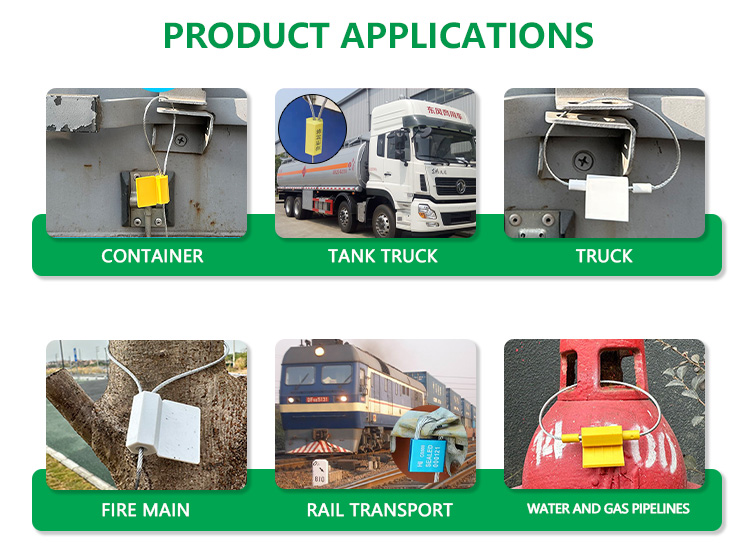
RFID cable seals are currently deployed across three primary application areas:
1. Logistics and Transportation
In container shipping, truck fleets, and rail cargo, RFID cable seals can be wrapped around oversized door latches and wide handles—addressing scenarios where traditional bolt seals are inadequate. According to industry data, a 2026 pilot at the Port of Singapore Authority achieved over 30% improvement in gate throughput efficiency using RFID seals. In high-value freight transport, deployment of RFID seals has been shown to reduce theft incidents by approximately 37%.
2. Utilities and Industrial Facilities
For outdoor installations such as power distribution cabinets, gas valves, and water meter boxes, RFID cable seals prevent unauthorized access while enabling rapid QR-code scanning for inspection record-keeping, supporting digital asset management initiatives.
3. Integration with Cable Anti-Theft Systems
Recently, China State Construction Eighth Engineering Bureau's South China Company developed a "cable laying anti-theft monitoring system" that assigns dual QR code and NFC electronic tag identifiers to each cable, ensuring unique lifecycle traceability. The system incorporates IP68-rated sealed protective sleeves at cable joints, with tin-plated copper terminals treated with silicone rubber sealing, ensuring stable operation in -40°C to 85°C environments while providing corrosion resistance and intelligent tracking capabilities.
Industry Trends: Traceability Demands Driving Market Growth
With customs authorities, insurers, and supply chain regulators imposing stricter end-to-end traceability requirements, demand for RFID cable seals is steadily rising. EU Customs is accelerating its digital seal initiative, and several major freight insurers now offer 10%–20% premium discounts to shippers using RFID-enabled seals.
Industry experts note that for high-value cargo and intermodal transport, RFID cable seals are more than just physical locks—they serve as critical nodes that bridge fragmented logistics data. Each scan automatically generates a time-stamped, geo-tagged electronic record, facilitating blockchain-based evidence storage and compliance auditing.