Aluminum-Alloy Cable Seals Strengthen Logistics Security as Smart Tracking Becomes Industry Trend
High-Strength Tamper-Evident Seals Address Rising Theft Risks in Power Cable Transportation
As global trade expands and power infrastructure investments surge, the secure transport and storage of high-value electrical cables have become a critical concern for logistics operators and utility companies. Aluminum-alloy wire cable seals—combining physical tamper resistance with digital traceability—are emerging as a key solution in the cargo security sector, with the industry now pivoting toward RFID-enabled smart sealing systems.
Core Advantages: Irreversible, High-Strength, and Fully Traceable
Unlike traditional plastic seals that degrade over time or lead seals that are easily cut, aluminum-alloy cable seals offer a distinct combination of physical durability and management accountability.
Irreversible Tamper-Evident Design
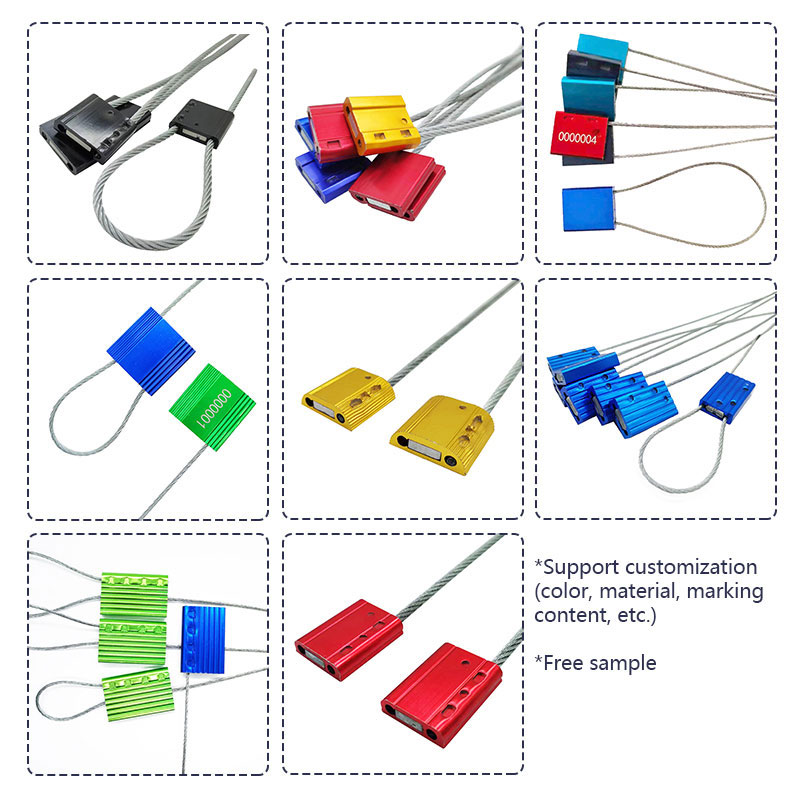
These seals typically feature an aluminum-alloy lock body paired with a high-carbon or galvanized aircraft-grade steel wire loop. The locking mechanism uses a one-way compression or press-fit design that makes the seal single-use only. Any attempt to pry or cut the seal results in permanent, visible deformation or breakage—leaving clear evidence of tampering. This "break-to-open" characteristic provides a reliable chain-of-custody record and effectively eliminates disputes over unauthorized access during transit.
Reliable Performance in Harsh Environments
The aluminum housing offers excellent corrosion resistance and UV stability, while the steel wire delivers tensile strength exceeding 300 kgf (in some models). This makes the seals suitable for demanding applications such as:
* Port and maritime shipping containers
* Outdoor electrical meter boxes and distribution panels
* Cold-chain and refrigerated logistics
* High-humidity or extreme-temperature warehouse conditions
International Safety & Security Compliance
Most premium seals in this category meet or exceed:
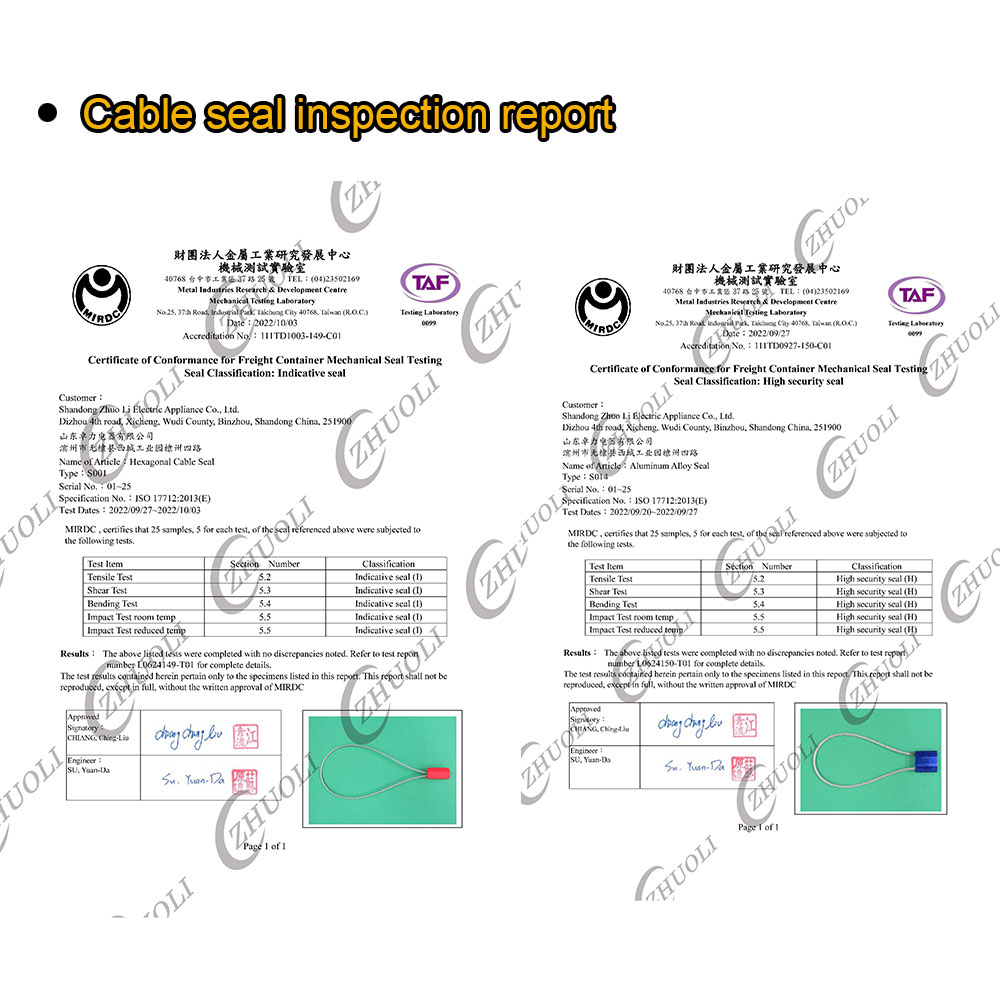
* ISO 17712 – International standard for high-security seals
* C-TPAT – U.S. Customs-Trade Partnership Against Terrorism (for cross-border shipments)
Each seal is laser-engraved with a unique serial number or barcode, enabling end-to-end digital tracking—from issuance and application to removal and audit review.
Future Trends: IoT Integration, System Connectivity, and Green Materials
While the mechanical advantages remain foundational, the industry is undergoing a technology-driven transformation. Three major trends are shaping the next generation of cable seals:
1. IoT and RFID Smart Seals
Traditional mechanical seals are rapidly being enhanced with embedded electronics. RFID-enabled smart seals now allow:
* Automated gate-in/gate-out scanning without manual barcode reading
* Real-time location updates integrated with warehouse management systems (WMS)
* Seamless connectivity with IoT asset-tracking platforms
The next frontier is moving from point-in-time checks to end-to-end visual chain-of-custody, where seals communicate with smart locks, on-board telematics, and logistics cloud platforms.
2. Blockchain-Based Authentication & System Integration
Industry analysts point to a shift from standalone products to integrated security ecosystems. Blockchain-based electronic seal certification is emerging as a way to:
* Create an immutable audit trail of seal issuance and inspection events
* Enhance legal evidentiary value for customs clearance and dispute resolution
* Standardize data sharing across supply chain partners
This trend is expected to gain traction in cross-border e-commerce, defense logistics, and critical infrastructure projects.
3. Sustainability & Eco-Friendly Materials
Driven by green supply chain mandates, manufacturers are exploring:
* Biodegradable or recyclable housing materials
* Low-power RFID designs to extend battery life
* Reusable lock cores (with disposable wire loops) to reduce waste
These innovations aim to balance security performance with environmental responsibility—a growing concern for procurement departments worldwide.