Oil Tanker Security Upgrades: Steel Wire Seals Evolve from Physical Locks to Traceability Credentials
As regulatory requirements for hazardous materials transportation continue to tighten, steel wire seals for oil tankers are rapidly transitioning from simple physical barriers to comprehensive security tools integrating tamper-evidence, anti-counterfeiting, and end-to-end traceability. Recent industry developments show accelerated movement toward specialized, systemized approaches in selection standards, operational protocols, and technological innovation.
Why Traditional Seals Fall Short
Conventional sealing methods have shown significant limitations in oil tanker transport scenarios. Standard plastic seals lack sufficient tensile strength, are vulnerable to bolt cutter attacks, and can be pried open and reattached with minimal visible damage. Manual verification of seal numbers proves inefficient and susceptible to forgery, leaving cargo in transit vulnerable to undetected tampering. These shortcomings have driven the widespread adoption of steel wire seals as the industry standard, leveraging their high tensile strength and single-use integrity.
Dual-Layer Protection: Physical Tamper Evidence Plus Digital Traceability
Today's oil tanker steel wire seals operate on a dual principle: physical tamper evidence combined with information traceability.
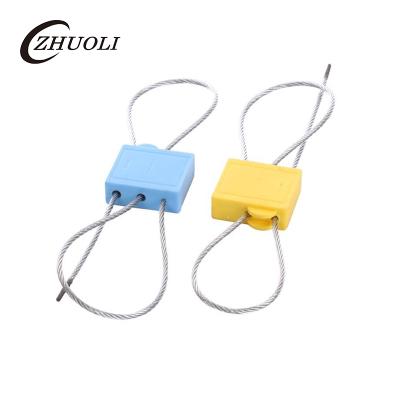
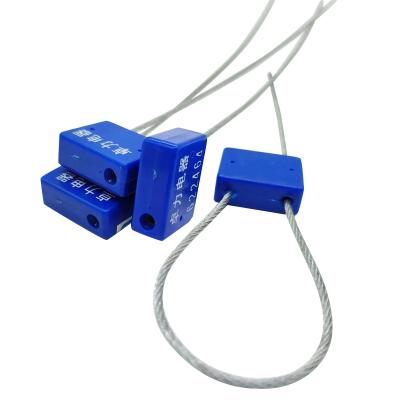
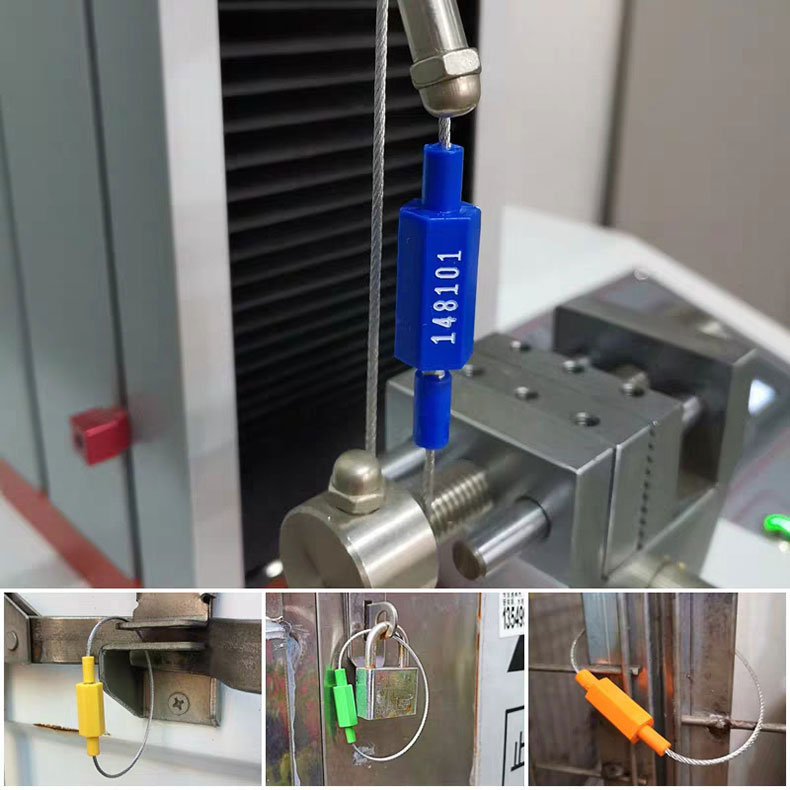
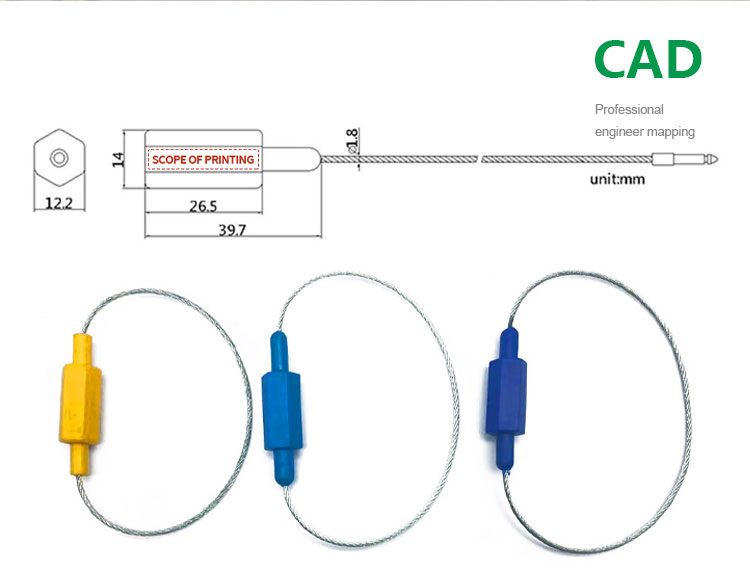
Physical Security: Products utilize 304 stainless steel or aircraft-grade wire rope, paired with a lock head featuring a built-in one-way spring mechanism. During application, the steel wire is threaded through the tank valve or unloading port and tensioned until locked—once engaged, the wire cannot be retracted or withdrawn. Any forced entry attempt causes visible, permanent damage: the wire strands will separate and the lock head will show clear signs of forced entry. Premium aluminum alloy steel wire seals offer pull resistance ranging from 100kg to 1,000kg and perform reliably across extreme temperature conditions.
Traceability: Each seal is laser-engraved with a unique serial number and QR code, with engraving depth sufficient to prevent erasure or abrasion. These identifiers link to backend databases, creating a closed-loop evidence chain covering the entire "apply—verify—trace" process.
Best Practices: From Selection to Replacement
Industry guidelines emphasize that proper use of oil tanker steel wire seals demands rigorous adherence to standardized procedures:
Right-Sizing Selection: Choose seals with high tensile strength, temperature resistance, and corrosion protection. Customize wire length and diameter to match specific tanker valve specifications.
Correct Installation: Thread the wire through the lock hole and tension firmly until secure, ensuring the locking mechanism engages completely. Verify there is no twisting or stress damage after installation.
One-Time Use Only: Single-use seals must never be reused. A fresh seal is required for every transport assignment—regardless of whether the previous seal appears intact.
Exception Handling: If a seal is found damaged or its number mismatched during transit, immediately photograph the condition, document the findings, and report according to incident protocols. This establishes a "discover—record—accountability" closed loop.
Industry Trajectory: From Mechanical to Smart Sealing
Notably, steel wire seal applications are progressing toward electronic and intelligent systems. Electronic seals retain high-strength stainless steel cables and tamper-proof lock heads while integrating RFID tags or QR code scanning capabilities. These smart seals connect to backend management platforms, enabling real-time monitoring of oil tanker valve status and effectively preventing "drip-and-drain" losses and unauthorized product siphoning during transport. Companies such as Sinopec SenMei have already deployed intelligent lock control systems. While steel wire seals remain in use at depot dispatch, electronic seal card readers now manage application and release, reducing frontline workloads while strengthening end-to-end oversight.
From Simple Lock to Trusted Credential
What began as a physical lock has evolved into a multi-functional "trusted credential" that delivers tamper-evidence, authentication, and traceability. This technological evolution and accompanying operational standards represent a pivotal shift in oil tanker safety management—moving from reactive "post-incident accountability" to proactive, process-controlled risk mitigation.