Beyond Plastic: How PC+ABS Became the Gatekeeper for Water, Electricity, and Gas Meters
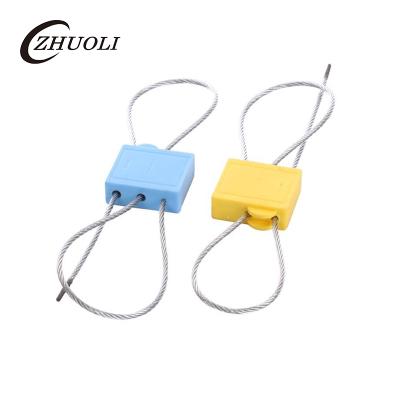
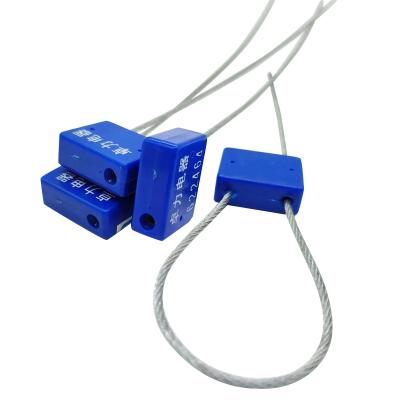
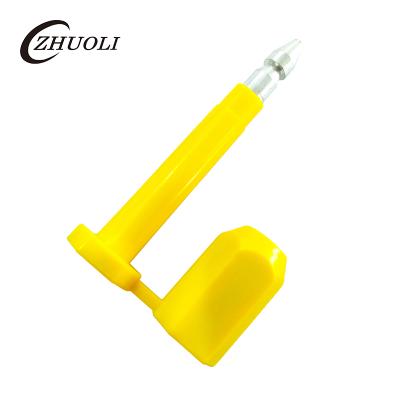
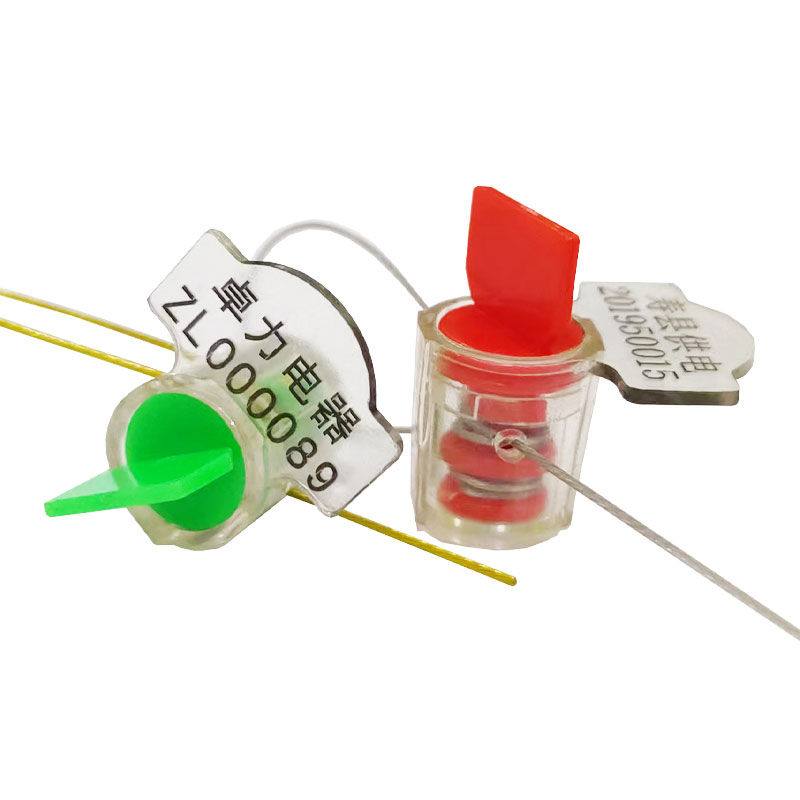
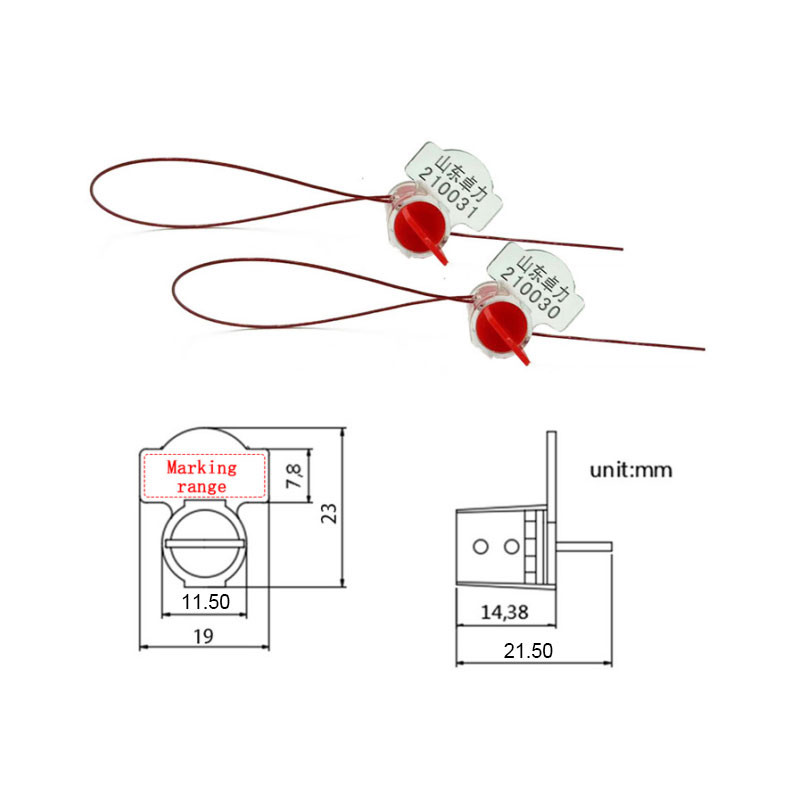
Behind the everyday flow of water, electricity, and gas lies a quiet revolution in precision and safety. The protagonist of this revolution is not massive machinery or complex algorithms, but the small one-time security seals installed on every water meter, electricity meter, and gas meter. Today, a engineering plastic alloy known as PC+ABS is emerging as the material of choice for safeguarding utility metering security, thanks to its exceptional performance.
To understand why PC+ABS is ideally suited for this role, we must first examine the distinct characteristics of its two components—PC and ABS—and how they complement and enhance each other.
PC (Polycarbonate): The Rigid "Skeleton" – Strength and Weatherability
PC is a high-performance engineering plastic renowned for its exceptional impact strength and excellent heat resistance. At room temperature, PC's notched impact strength reaches 600–800 J/m, meaning that even if a seal suffers accidental impact or dropping, the lock body structure remains intact, effectively preserving its tamper-evident function. Meanwhile, PC's glass transition temperature is approximately 150°C, with a long-term service temperature up to around 120°C. This ensures that seals installed in outdoor electricity meter boxes remain dimensionally stable even under intense summer sunlight, without softening or deforming from heat exposure.
Additionally, PC offers excellent dimensional stability and optical transparency, with low water absorption (approximately 0.2%). In humid environments, it undergoes minimal dimensional expansion—a critical attribute for seal locks that must precisely mate with steel cables. However, PC is not without limitations: its melt flowability is relatively poor, requiring stringent processing conditions during injection molding, and it exhibits relatively weak stress-crack resistance, with potential cracking risks under prolonged exposure to certain chemicals or internal stresses.
ABS (Acrylonitrile-Butadiene-Styrene Copolymer): The Flexible "Ligament" – Toughness and Processability
ABS is a versatile thermoplastic polymer formed by the copolymerization of three monomers, each contributing distinct properties. The acrylonitrile component provides chemical resistance and surface hardness, the butadiene rubber phase imparts outstanding impact toughness and low-temperature performance, and the styrene ensures excellent processability and surface gloss.
ABS's most prominent advantage lies in its superior injection moldability—its melt flow index is significantly higher than that of PC, allowing it to fill complex precision mold cavities with ease during molding. This makes ABS highly suitable for high-volume production of seals featuring intricate anti-tamper structures, snaps, undercuts, and other complex geometric details. Furthermore, ABS offers high surface hardness and excellent gloss, making it highly compatible with secondary processing such as laser engraving, hot stamping, and painting—facilitating digital identification and traceability on seals.
However, ABS has relatively limited heat resistance (heat deflection temperature typically ranging from 85–100°C) and poor weatherability. Prolonged UV exposure can lead to yellowing, surface degradation, and chalking, significantly restricting the service life of pure ABS products in outdoor environments.
PC+ABS Alloy: A Synergy Where 1+1 > 2
When PC and ABS are blended in appropriate ratios (typically 50–70% PC and 30–50% ABS), the resulting alloy leverages the strengths of both materials while mitigating their respective weaknesses:
Balanced Strength and Toughness: PC provides high rigidity and thermal stability, while the rubber phase in ABS further enhances the alloy's low-temperature impact performance, ensuring that seals remain tough and fracture-resistant even in freezing winter conditions.
Weatherability Meets Processability: PC compensates for ABS's UV vulnerability, enabling the alloy to withstand long-term outdoor service, while ABS improves PC's flowability, making precision molding of complex geometries feasible—significantly boosting production efficiency and yield rates.
Comprehensive Durability: The alloy exhibits superior resistance to hydrolysis, stress cracking, and dimensional stability compared to either component alone. Even when installed in the moist environments of water meter pits or the oil-exposed areas of gas pipelines, the seals maintain structural integrity and functional reliability over extended periods.
It is this "rigidity meets flexibility" combination that makes PC+ABS an irreplaceable material choice for utility meter security seals. With the robust skeleton of PC to resist external damage and the adaptable intelligence of ABS to enable precision manufacturing and digital traceability, PC+ABS stands as a technological guardian—quietly protecting metering accuracy and energy security in millions of households worldwide.