Why Container Bolt Seals are Essential for Cargo Security?
At the heart of physical cargo protection lies a seemingly simple yet critically important device: the container bolt seal. For B2B buyers, logistics managers, and security professionals, understanding why these high-security bolt seals are indispensable is fundamental to managing risk, ensuring compliance, and protecting profit margins. This article delves into the multifaceted role of the container bolt seal, explaining why it is far more than just a metal lock—it is the foundational pillar of modern cargo security.
The First Line of Defense: Tamper-Evidence in a Vulnerable Supply Chain
The international supply chain is a complex system with numerous handoffs, transshipment points, and periods of unattended storage. Each node represents a potential vulnerability. The primary and most essential function of a container bolt seal is to provide unambiguous tamper evidence.
Visual Integrity Verification: An intact, certified bolt seal on a container door offers immediate visual proof that the cargo has not been accessed since it was officially sealed at the point of origin. Conversely, a broken, cut, or missing seal is a red flag that triggers an immediate inspection protocol. This simple visual check is the most rapid and effective way to detect unauthorized access.
Deterring Theft and Pilferage: While determined thieves can defeat almost any physical barrier, high security container seals act as a powerful deterrent. They significantly increase the time, noise, and tooling required to gain access covertly. This "delay factor" is crucial in preventing opportunistic theft and pilferage, which are major sources of loss, especially for high-value goods.
Preventing Cargo Contamination and Substitution: Beyond theft, tampering can involve the introduction of contraband or the substitution of legitimate goods. A robust tamper-proof seal helps ensure that the cargo received is exactly what was shipped, protecting manufacturers and retailers from legal, safety, and brand reputation risks.
The Compliance Cornerstone: Meeting Regulatory and Insurance Mandates
The use of container bolt seals is often not a matter of choice but a strict requirement governed by international standards and commercial contracts.
The ISO 17712 Standard: This is the global benchmark for freight container seals. The standard classifies seals as "I" (Indicative), "S" (Security), and "H" (High Security). For international shipments, ISO 17712 certified bolt seals with an "H" rating are considered the minimum acceptable level. These seals have been independently tested for tensile strength, shear strength, and impact resistance.
Insurance and Carrier Requirements: Most marine cargo insurers and global shipping lines explicitly require the use of ISO-compliant high security seals. Failure to use them can provide grounds for an insurer to deny a claim related to theft or tampering, arguing that adequate security measures were not in place. Carriers may also have contractual clauses mandating their use.
Facilitating Customs Clearance: Customs authorities worldwide recognize intact, certified seals as a sign of a secure shipment. Containers with properly applied, high-integrity seals often experience smoother and faster clearance processes, as they present a lower risk of containing unauthorized or misdeclared goods.
Protecting Brand and Financial Health: The Cost of Neglect
The consequences of neglecting proper container sealing are severe and multifaceted, impacting a company's bottom line and market standing.
Direct Financial Loss: Cargo theft represents a direct financial drain. Investing in a quality container bolt seal, which costs only a few dollars, is a negligible expense compared to the potential loss of an entire container's worth of goods.
Supply Chain Disruption and Delay: A tampering incident leads to delays for investigations, insurance claims, and possible restocking. These disruptions ripple through the supply chain, causing stockouts, missed sales, and contractual penalties.
Reputational Damage: For B2B sellers, consistently secure deliveries build trust. Repeated security failures can damage a company's reputation as a reliable partner, leading to lost contracts. For consumer brands, finding that products have been tampered with can irrevocably harm consumer confidence.
The Operational Imperative: Foundation for a Secure Chain of Custody
A container bolt seal is the physical anchor point for the digital and documentary chain of custody.
Unique Identification and Traceability: Every certified seal is marked with a unique, sequential number. Recording this number on the Bill of Lading, packing list, and in transport management systems creates an unforgeable link between the physical container and its documentation. This allows any party in the chain to verify the seal's legitimacy and status.
Liability and Dispute Resolution: In the event of a loss, the condition of the seal provides critical forensic evidence. It helps pinpoint where in the journey the breach occurred, clarifying liability between shippers, carriers, freight forwarders, and terminal operators. This objective evidence is invaluable in resolving disputes efficiently.
Enabling Advanced Security: The evolution towards electronic bolt seals (E-seals) builds upon this principle. These devices can transmit real-time tamper alerts and location data, but they still rely on the fundamental physical security and unique identification principles established by mechanical bolt seals.
Choosing the Essential Seal: A Note on Quality
Understanding why container bolt seals are essential naturally leads to the question of which one to use. Not all seals are created equal. Essential security requires:
ISO 17712 "H" Certification: Non-negotiable for international shipping.
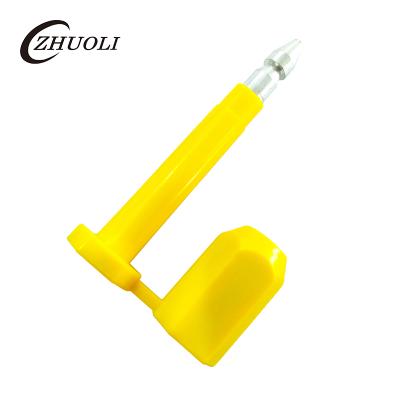
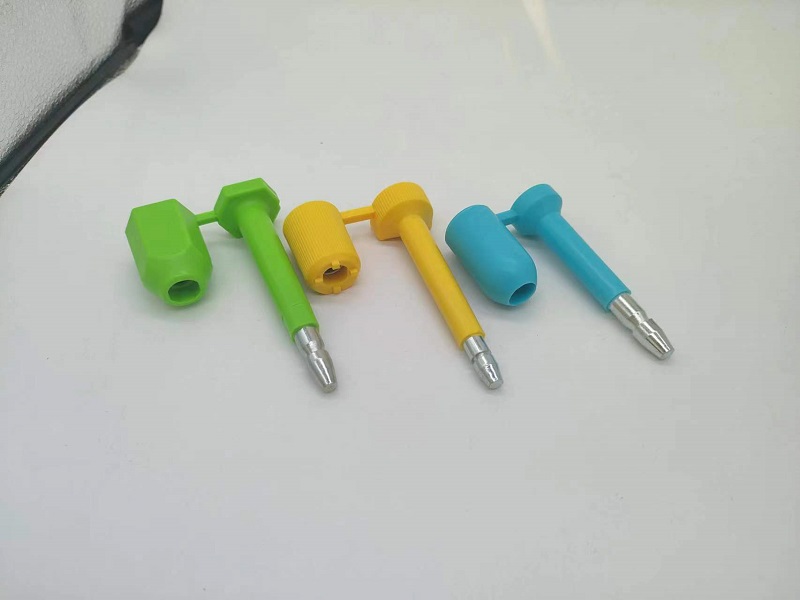
Robust Construction: A hardened steel bolt of sufficient diameter and a metal locking body resistant to prying and crushing.
Anti-Tamper Features: Designs like free-spinning collars to prevent twisting attacks.
Reliable Supplier Partnership: Sourcing from reputable manufacturers like Zhuoli, who guarantee consistent quality, valid certifications, and traceability, is critical. A reliable partner ensures the essential tool you depend on performs its vital role every single time.
Conclusion: A Small Investment for Paramount Protection
The container bolt seal is a masterpiece of risk management engineering. It is a low-cost, high-impact solution that addresses legal, financial, operational, and reputational risks simultaneously. In an era of complex and extended supply chains, it provides a point of simple, verifiable truth about a shipment's integrity.
To view the container bolt seal as an optional expense is to misunderstand modern logistics. It is, in fact, an essential and non-negotiable component of any professional shipping operation—a small but critical investment in security, compliance, and peace of mind.
Secure Your Supply Chain from the Ground Up.
Don't let the weakest link be your container seal. Audit your current sealing protocol and ensure you are using ISO 17712 certified high-security bolt seals. Contact a trusted security solutions provider like Zhuoli to evaluate your needs and implement a sealing strategy that provides the essential protection your cargo deserves.