In the fields of energy metering and public utility services, accurate and trustworthy measurement data forms the foundation of fair transactions, standardized management, and orderly market operation. As a small but critical anti-tampering component,
meter seals have become an indispensable safeguard for various metering devices, securing data authenticity and maintaining equity between utility enterprises and end users.
Commonly installed on electric meters, water meters, gas meters and other precision measuring instruments, meter seals act as a reliable “anti-tampering lock” and unique “identification tag” for metering equipment. They play an irreplaceable role in standardized metering supervision across the power, water supply, and gas industries, supporting the stable and compliant operation of public energy services.

What Is a Meter Seal?
A
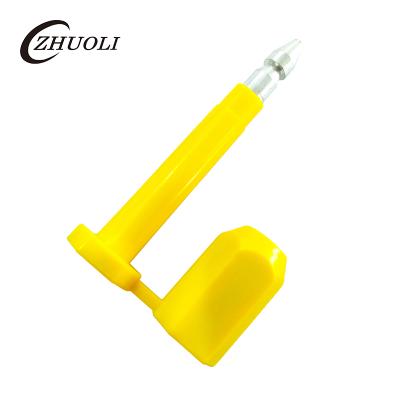
meter seal is a one-time, tamper-evident device with an exclusive unique identification code. It is designed to lock key positions of metering equipment to prevent unauthorized disassembly, parameter adjustment, and data tampering.
Traditional
lead seals, which are less environmentally friendly and vulnerable to counterfeiting, are gradually being phased out and replaced by high-performance
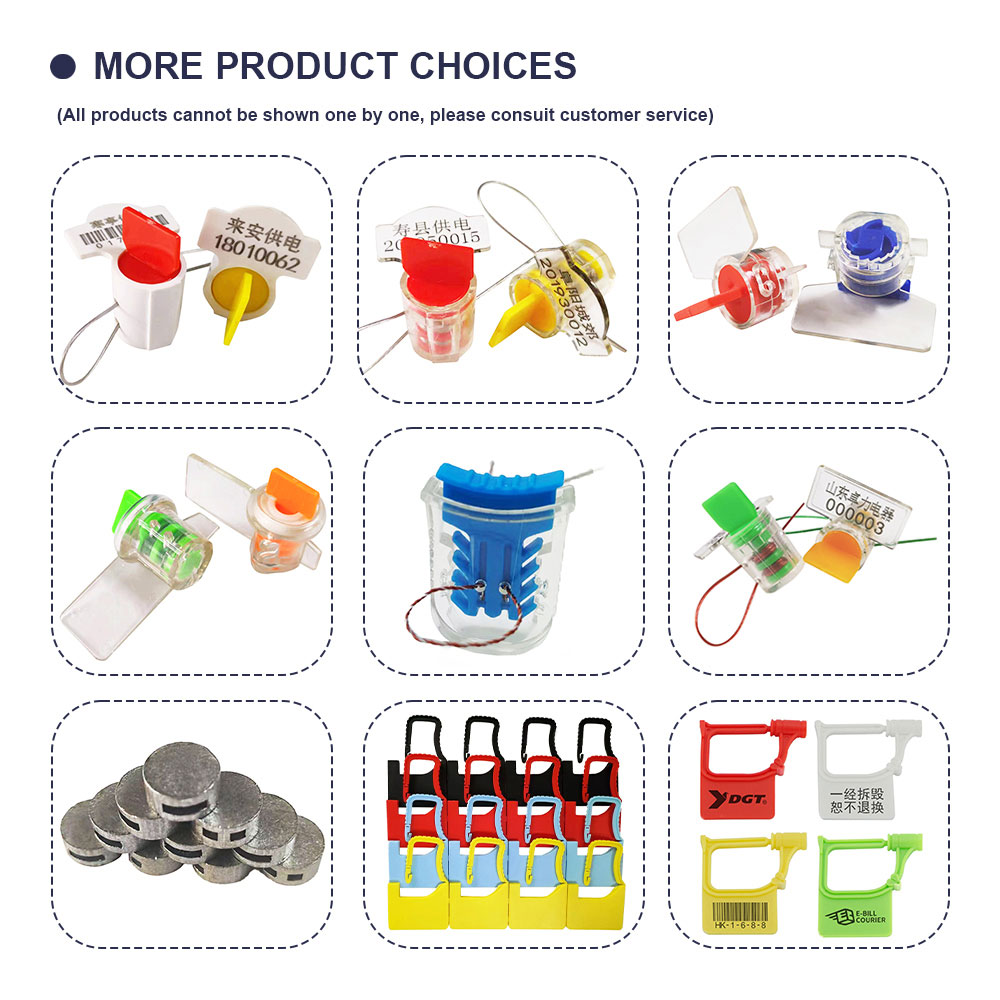
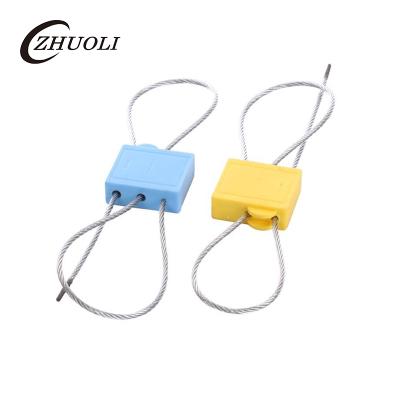
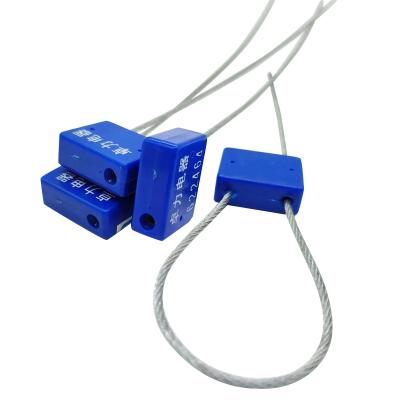
plastic meter seals. A standard meter seal consists of three core parts: a lock body, a steel wire or
plastic seal line, and an identification plate. Advanced upgraded models are integrated with laser marking, QR code tracing, and RFID chip technology, enabling full-lifecycle traceable management from production and installation to maintenance and scrapping.
Core Value of Meter Seals in the Utility Industry
1. Ensuring Anti-Tampering Performance and Metering Fairness
The greatest advantage of meter seals lies in their irreversible tamper-evident feature. Once the seal is damaged or removed, it cannot be restored to its original state, leaving obvious and identifiable traces of illegal operation. This mechanism effectively curbs unauthorized energy theft, water theft, and private adjustment of gas meter parameters, eliminating abnormal metering data caused by human intervention. It guarantees accurate and authentic measurement results and provides a solid foundation for fair and transparent settlement between utility companies and customers.
2. Supporting Responsibility Tracing and Compliance Management
Each meter seal is printed with a unique serial number, enterprise information, and verification mark. In the event of metering disputes or equipment abnormality, supervisors can quickly trace the responsible party and confirm the verification time and operating status of the equipment through seal information. In the statutory verification process of metering instruments, intact and original meter seals are a core qualification standard for judging qualified measuring equipment, directly supporting enterprises’ standardized production and compliant operation.
3. Reducing Operational Costs and Mitigating Management Risks
By blocking illegal tampering with metering data, meter seals effectively reduce economic losses caused by energy and water theft for public utility enterprises. Meanwhile, standardized seal management procedures simplify daily inspection work, lower labor costs for manual patrol checks, and effectively prevent internal irregular operations. It provides strong technical support for refined, efficient, and low-risk operational management in the energy industry.

Main Application Scenarios and Standard Operating Specifications
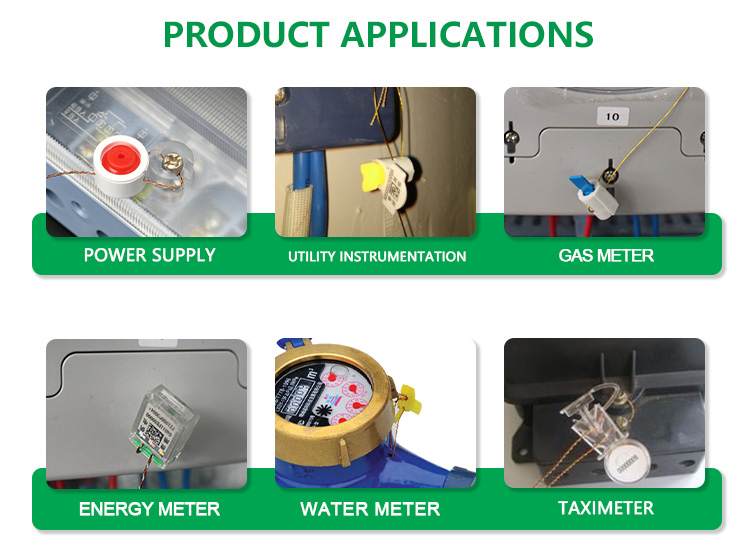
Meter seals are widely applicable to civil and industrial metering equipment, covering multiple core industries:
Power Industry: Sealing of electric meter boxes and electric meter terminal blocks to prevent electricity theft and private line modification;
Water Supply Industry: Locking and sealing of water meter covers and fixed sealing positions to ensure accurate water consumption measurement;
Gas Industry: Sealing of gas meter regulating valves and interface positions to avoid private parameter modification and hidden safety hazards;
Other Industrial Fields: Anti-tampering protection for taxi meters, pressure gauges, flow meters and other precision metering devices that require data security supervision.
The standard installation process of meter seals follows three standardized steps to ensure locking stability and anti-tampering effect:
Assemble the seal components strictly according to the indicated arrow direction;
Thread the steel wire or seal line through the reserved hole and lock it tightly to ensure no free pulling or loosening;
Cut off the excess seal line with professional tools to complete one-time irreversible locking.
Industry Development Trends of Modern Meter Seals
With the continuous upgrading of national and industrial metering supervision standards, meter seal technology is also undergoing iterative innovation, moving toward intelligence, environmental protection and high security.
First, anti-counterfeiting technology continues to iterate. Traditional simple printing coding has been upgraded to laser engraving, QR code full-process tracing, and RFID electronic identification technology, greatly improving counterfeiting difficulty and realizing intelligent verification of seal authenticity.
Second, environmentally friendly materials are fully popularized. Lead-free harmless plastic and recyclable new materials have replaced traditional lead seals, meeting international environmental protection standards while ensuring structural strength and anti-aging performance.
Third, management modes are intelligently upgraded. Combining Internet of Things (IoT) and big data technology, modern meter seals support remote real-time monitoring of seal status and data linkage with supervision platforms, promoting the transformation of traditional manual metering management to digital, intelligent and visualized refined management.
Conclusion
Small in size but great in value, meter seals are the fundamental guarantee for metering data security and transaction fairness. As an important part of the modern metering supervision system, they will continue to empower standardized, compliant and intelligent management for the global energy and public utility industries.