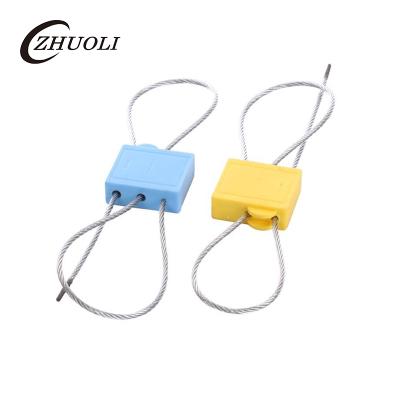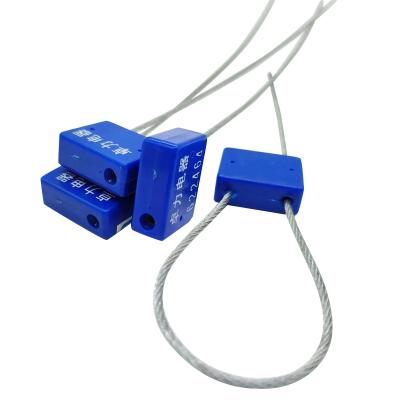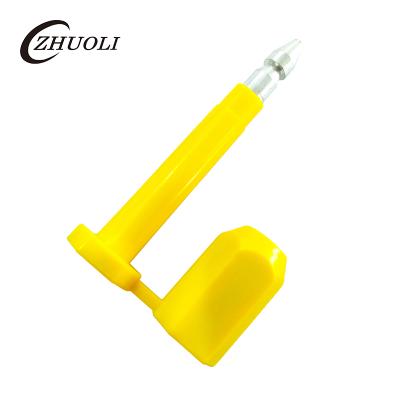
Electric Meter Seal
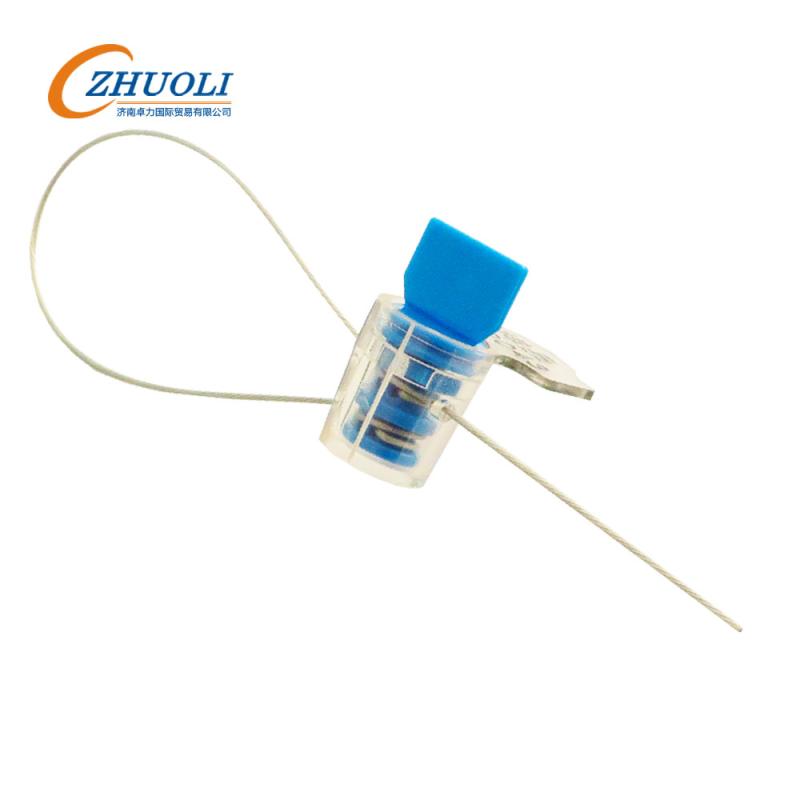
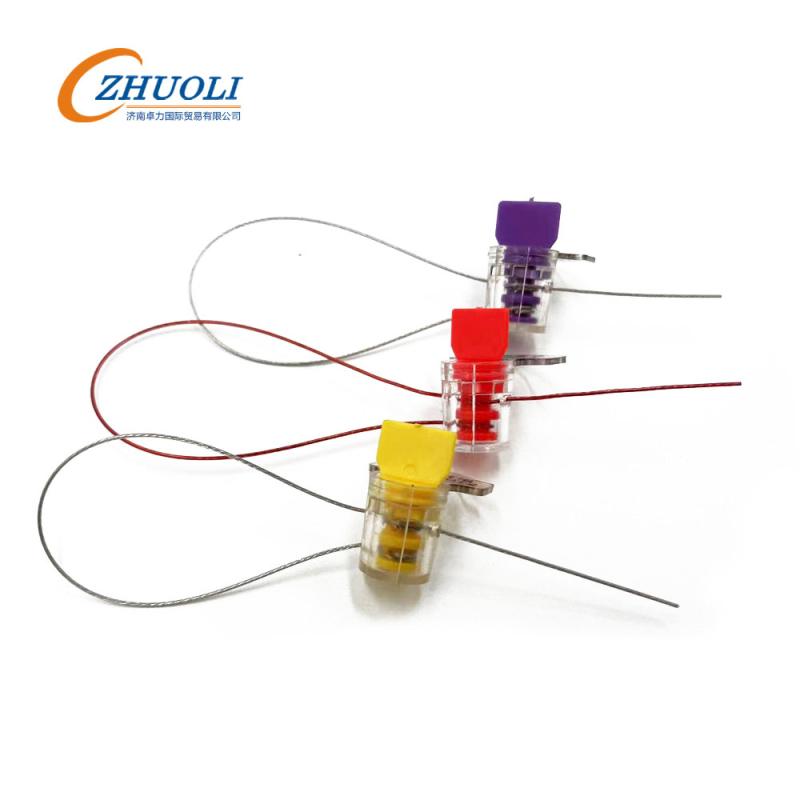
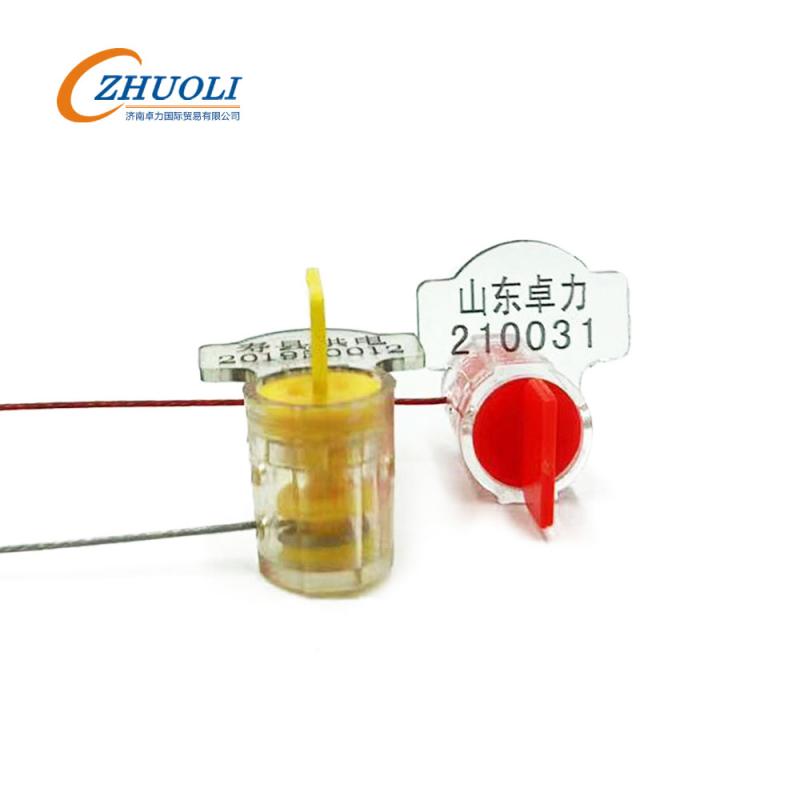
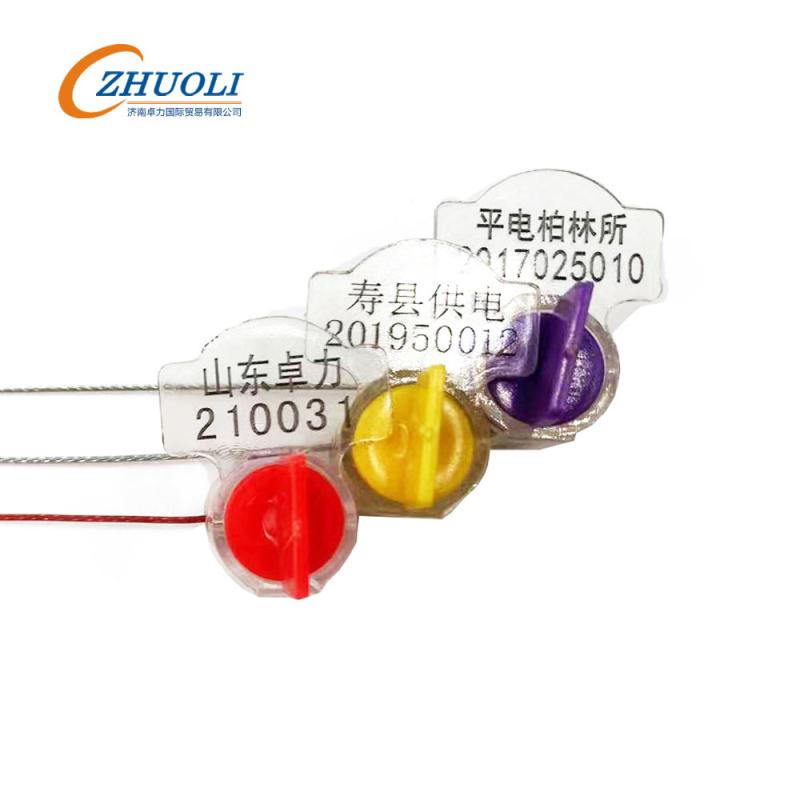
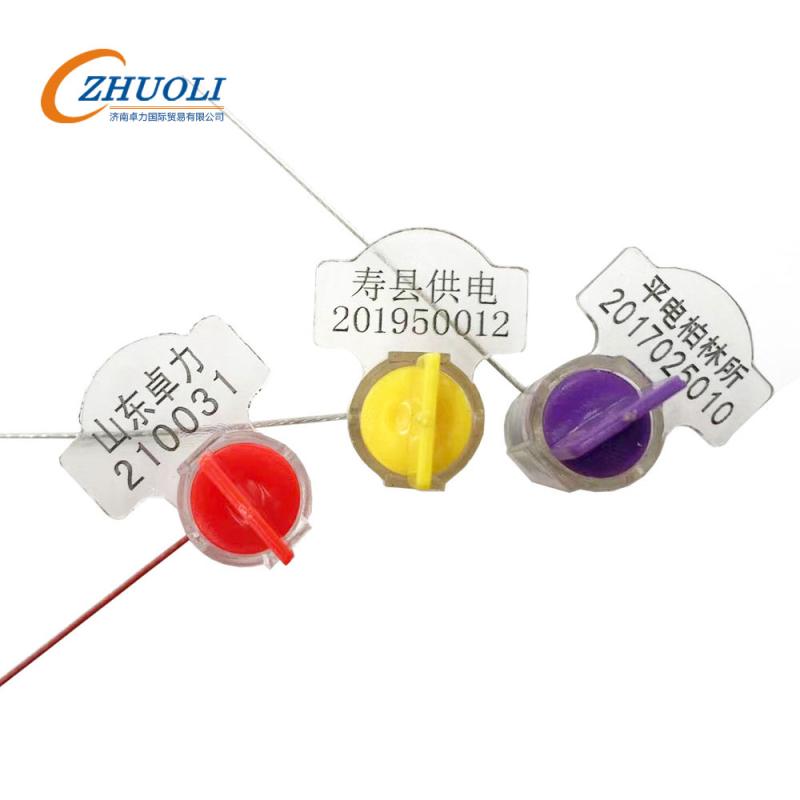
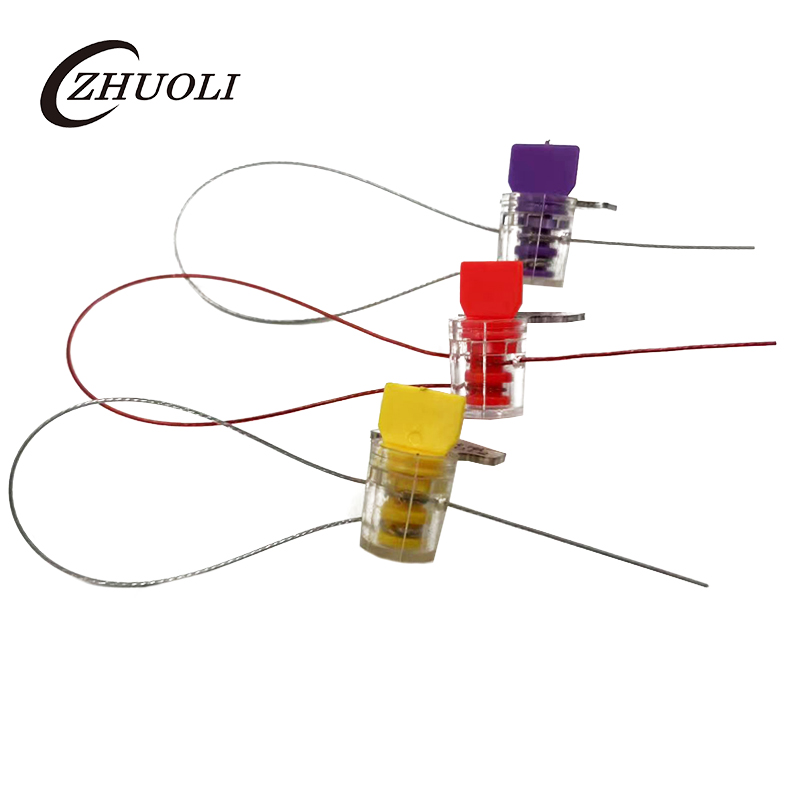
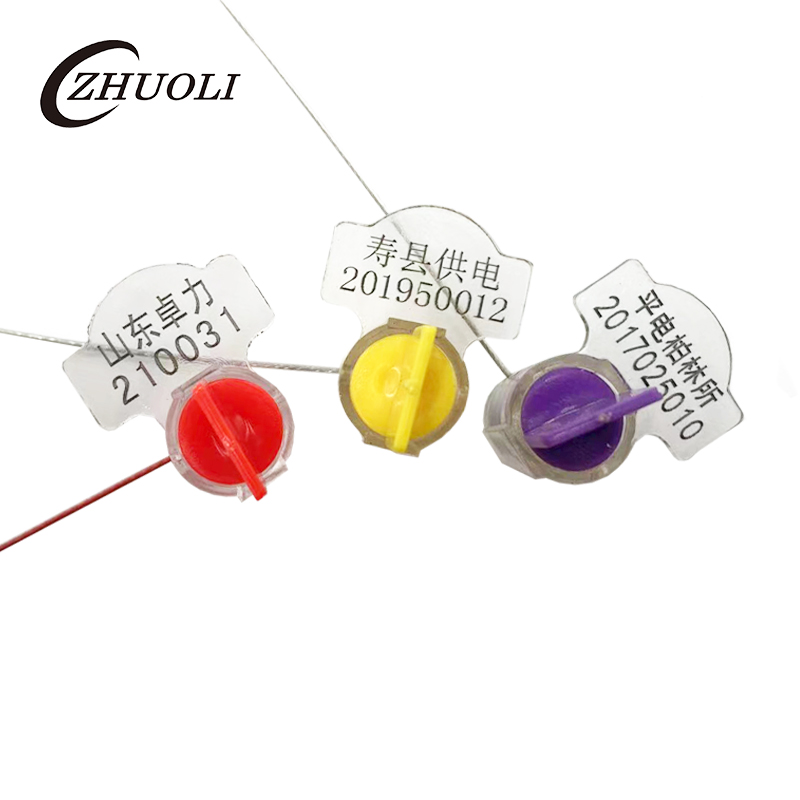
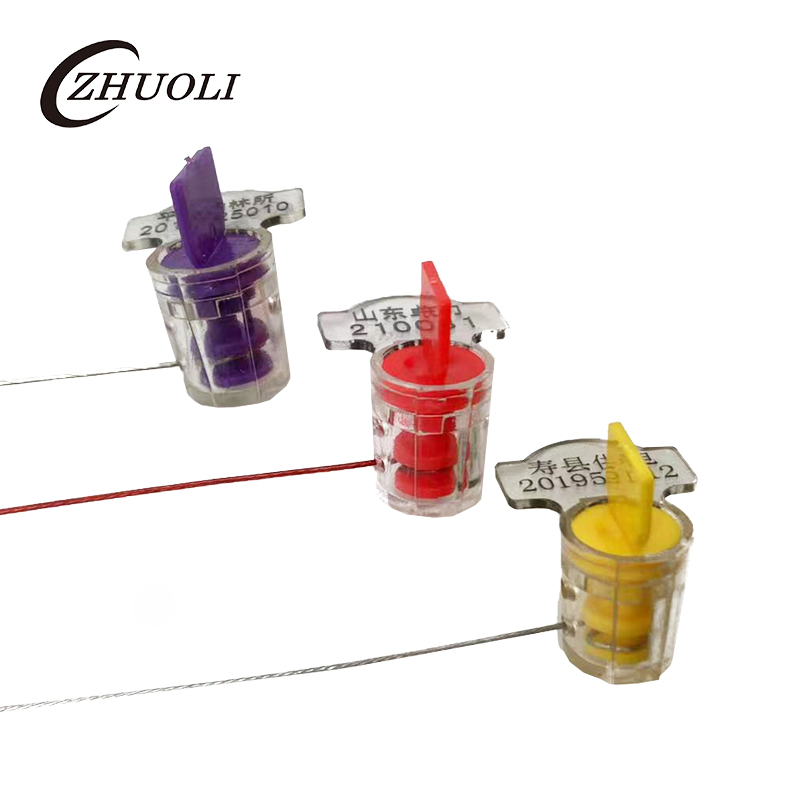
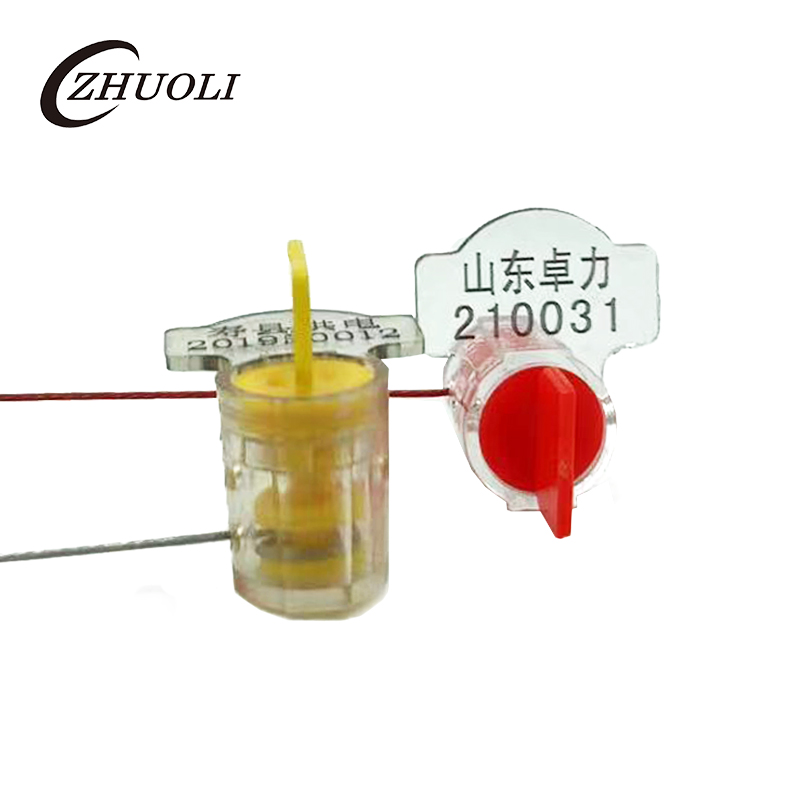
The meter seal is made of durable ABS plastic with a clear body and a colored insert. It comes with or without pre-installed stainless steel wire. A blank, prominent position with the company name or logo printed on it and numbered consecutively. Laser printed bar codes for added security.
The meter seal is an ideal security seal for securing applications with small diameter holes. It uses a unique sealing pressure that is the same as the simple squeezing action used to attach traditional lead and wire seals.When used, the insert will rotate and the line will slowly shrink until it cannot be rotated to complete the seal
Hot stamping or laser printing
Galvanized or stainless steel wire can be used
Custom seals and numbering or graphics available
Customizable with standard insert colors
Optional barcode available
The Critical Role of Meter Seals in Utility Operations
Electric meter seals serve as the fundamental physical security component in the utility industry's revenue protection strategy. Their primary function is to provide visible, irreversible evidence of any tampering attempt with the metering equipment. When utility personnel install or inspect meters, they apply these specialized seals to create a secure boundary between the meter's external casing and its internal components. Any attempt to manipulate the meter for purposes of electricity theft or fraud will inevitably compromise the seal's integrity, alerting authorities to potential meter tampering. This visible security deterrent is particularly crucial in areas with high commercial losses, where electricity theft represents a significant financial burden for utility providers. Furthermore, the unique identification marks on each seal enable precise tracking throughout the meter's lifecycle, supporting accurate record-keeping and simplifying forensic investigations when discrepancies are detected.
Technical Specifications and Material Science
The effectiveness of electric meter seals derives from their precise engineering and material composition. Utility-grade seals are typically constructed from durable materials specifically chosen for their environmental resistance and mechanical strength.
High-Strength Plastics: Engineering thermoplastics like ABS (Acrylonitrile Butadiene Styrene) or polycarbonate offer an optimal balance of durability, weather resistance, and cost-effectiveness for most electric meter security applications. These materials maintain their structural integrity through temperature fluctuations, UV exposure, and physical impact, ensuring long-term performance in outdoor environments.
Metal Security Seals: For high-risk installations or areas with historically significant tampering issues, metal meter security seals provide superior physical protection. Constructed from aluminum alloys or hardened steel, these seals offer enhanced resistance to cutting, drilling, or prying attempts. The choice between plastic and metal often depends on a utility's risk assessment and operational budget.
Tamper-Evident Mechanisms: The core security feature of any quality electric meter seal is its one-time locking mechanism. Whether utilizing a self-locking ball mechanism, a barbed insert design, or a compression-based system, these mechanisms are engineered to engage permanently once activated. Attempted removal invariably results in the destruction of the seal body or the separation of critical components, providing clear tamper evidence that requires no specialized tools to identify during routine inspections.
Advanced Features for Modern Utility Security
Beyond basic physical security, contemporary electric meter seals incorporate several advanced features that enhance their functionality and integration with digital utility systems.
Unique Identification and Serialization
Every professional-grade electric meter seal carries a unique, non-replicable identifier. This is typically implemented through:
Laser-Etched Serial Numbers: Permanently marked sequential numbers that resist weathering and abrasion.
Barcodes and QR Codes: Machine-readable codes that enable rapid scanning and digital record-keeping during meter installation, reading, and maintenance.
Custom Branding: Utility logos or regional identifiers can be incorporated to prevent seal substitution and enhance brand security.
Compliance with International Standards
Leading manufacturers produce electric meter seals that comply with international security standards, which may include:
ISO 17712: The global benchmark for tamper-evident seals, testing mechanical strength and tamper resistance.
Utility-Specific Specifications: Many large utility providers establish their own technical standards for sealing systems, driving manufacturers to develop compliant meter sealing solutions.
Product Parameter
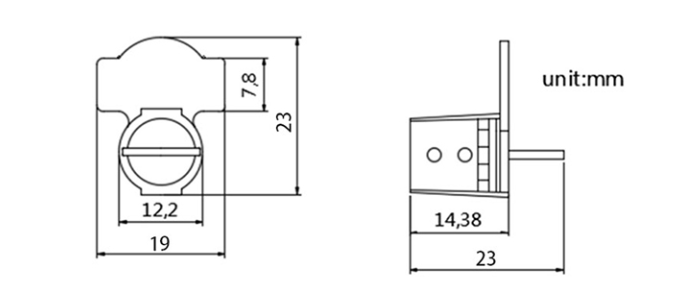
Material | ABS/PC+ABS |
Colour | Red.green,white,yellow,blue and etc |
look sixe | 19X23X23mm |
Diameter | 0.6mm |
Length | 160mm |
Certificate | ISO4500:2018 ,SGS ,ISOI4001:2015, ISO9001:2015 |
Application | custom container tan truckvantruckoil tank railway train container cargo,post courier express bank Fire extinguisher |
Installation Protocol and Tamper Detection
The correct application of electric meter seals is fundamental to their security function. The standard installation process involves threading the seal through the designated security hasps on the meter and its enclosure, then applying firm pressure to engage the irreversible locking mechanism. A distinctive "click" often confirms proper engagement. Following installation, the unique seal identifier is recorded in the utility's work order management system or asset registry, creating a critical link between the physical seal and the specific meter installation.
Detection of tampering is intentionally straightforward. During routine or investigative inspections, personnel visually examine the seal for specific compromise indicators:
Physical cracks or breaks in the seal body
Evidence of tool marks or manipulation attempts
Mismatched or missing serial numbers
Discoloration suggesting chemical attack or heat application
The presence of any these indicators triggers a formal tampering investigation, protecting utility revenue and infrastructure integrity.
Frequently Asked Questions (FAQ) for B2B Buyers
1. What is the typical tensile strength required for an effective electric meter seal?
For most standard applications, a tensile strength between 50-150 lbs (22-68 kg) is sufficient to resist casual tampering. For high-security locations, electric meter seals with tensile strengths exceeding 250 lbs (113 kg) are recommended. The specific requirement should be based on a risk assessment of the installation environment.
2. Can these seals be integrated with automated meter reading (AMR) or advanced metering infrastructure (AMI) systems?
Yes, modern electric meter security strategies often combine physical seals with digital systems. The unique serial numbers, barcodes, or QR codes on seals can be scanned and linked to specific meters in the AMI/AMR database. This creates a comprehensive security record that correlates physical seal integrity with meter data analytics for enhanced tamper detection.
3. Are there environmentally friendly options available for electric meter seals?
Growing numbers of manufacturers now offer utility security seals made from recyclable materials or bio-based plastics. These environmentally conscious options maintain the required security standards while supporting corporate sustainability initiatives. Buyers should specify their environmental requirements when requesting product specifications.